Bihar CM seeks return of Sultanganj Buddha statue from UK
Source Entity
Latest News: Todays Latest News Headlines from India & World | Hindustan Times | Hindustan Times
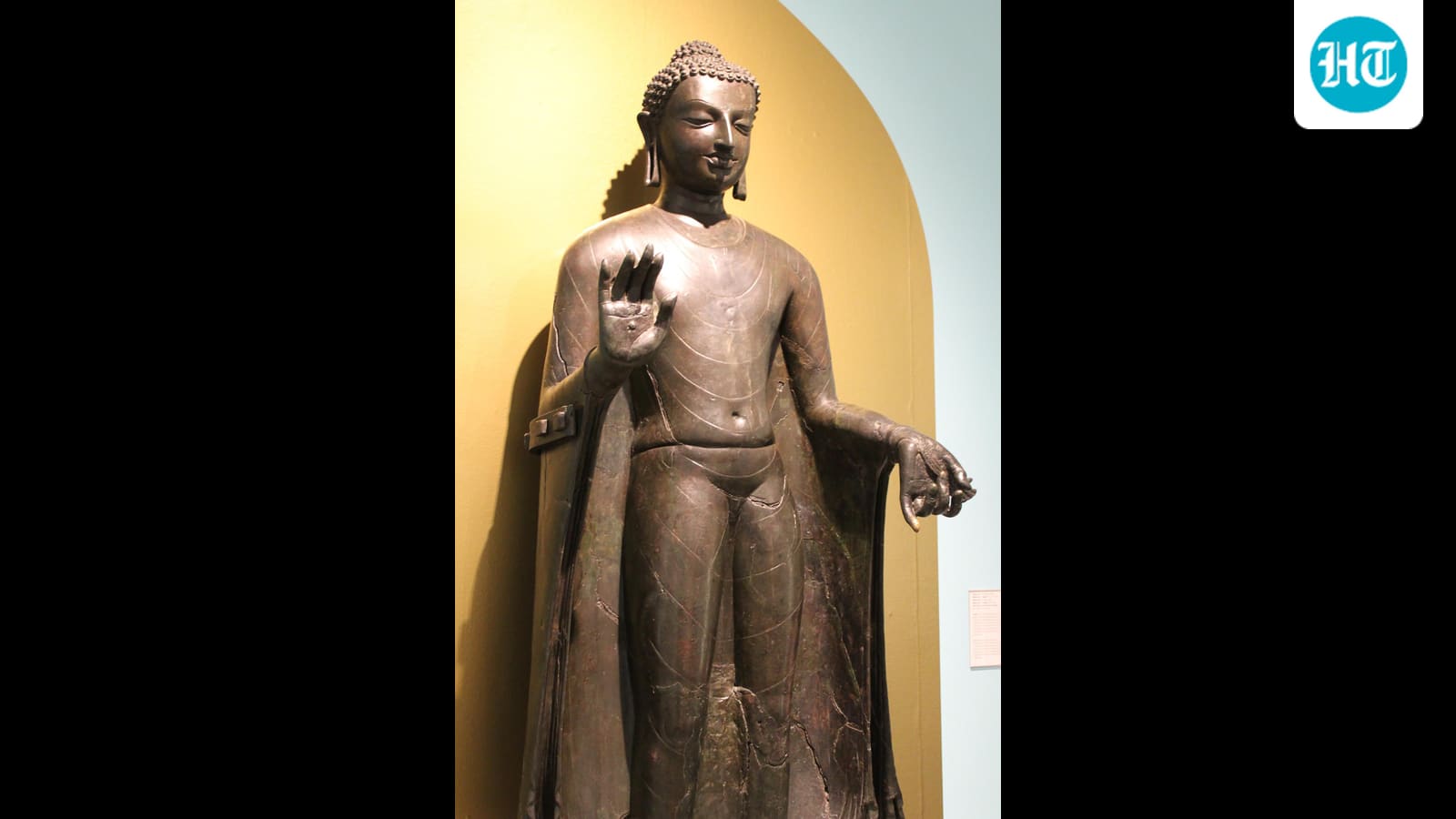
Bihar Deputy Chief Minister Samrat Choudhary has formally requested the repatriation of the historic Sultanganj Buddha statue from the UK. The 2.3-metre copper artifact, dating back to the Gupta-Pala period, is currently housed in the Birmingham Museum and Art Gallery.
The Call for Repatriation: Bihar’s Cultural Heritage
Bihar Deputy Chief Minister Samrat Choudhary has initiated a formal diplomatic effort to repatriate the Sultanganj Buddha, a monumental 2.3-metre tall copper statue of Gautama Buddha. By writing to Union Culture and Tourism Minister Gajendra Singh Shekhawat, the Bihar government is signaling a renewed focus on reclaiming significant historical artifacts that have been housed abroad for decades. This move highlights a growing global trend of nations seeking the return of cultural property removed during colonial or post-colonial periods, emphasizing the importance of keeping historical treasures within their geographical and cultural places of origin.
Historical Significance of the Sultanganj Buddha
The Sultanganj Buddha is not merely an aesthetic masterpiece; it is a vital link to India’s early medieval Buddhist heritage. Dating back to the Gupta-Pala transitional period (500-700 AD), the statue exemplifies the sophisticated metallurgical skills and artistic devotion of the era. Its placement in the Birmingham Museum and Art Gallery in the United Kingdom has long been a point of academic interest, but for the people of Bihar, it represents a tangible connection to a profound spiritual and historical legacy that thrived in the region centuries ago.
The Mechanics of International Repatriation
Initiating the return of such a significant artifact requires a complex diplomatic process involving the Ministry of Culture and international cultural exchange protocols. The request, dated August 11, sets a precedent for how provincial governments in India can engage with the central government to advocate for the return of national heritage. The success of this endeavor will depend on high-level negotiations between Indian authorities and their British counterparts, as well as the policies governing the Birmingham Museum and Art Gallery regarding the restitution of historical items.
Broader Implications for Cultural Diplomacy
This demand reflects a broader geopolitical shift where countries are increasingly asserting their rights over their cultural patrimony. As nations continue to audit their museums for items acquired under contested circumstances, the case of the Sultanganj Buddha serves as a focal point for debates on museum ethics and colonial-era acquisitions. If successful, the return of this statue to Bihar would be a landmark victory for cultural sovereignty and could inspire similar initiatives for other artifacts currently held in Western collections.
Future Trends in Heritage Management
Looking ahead, the focus on the Sultanganj Buddha may spark a wider movement to inventory and reclaim other lost artifacts from Bihar’s rich past. As global awareness regarding the ethics of museum collections grows, we can expect more structured international frameworks to emerge for the temporary or permanent return of such items. The Bihar government’s proactive stance highlights that the management of historical heritage is becoming an increasingly important aspect of regional identity and political discourse in the 21st century.
Verification Required?