UAE leader had warned Netanyahu of Hamas attack days before Oct 7 massacre: Report
Source Entity
SUBHADRA SRIVASTAVA
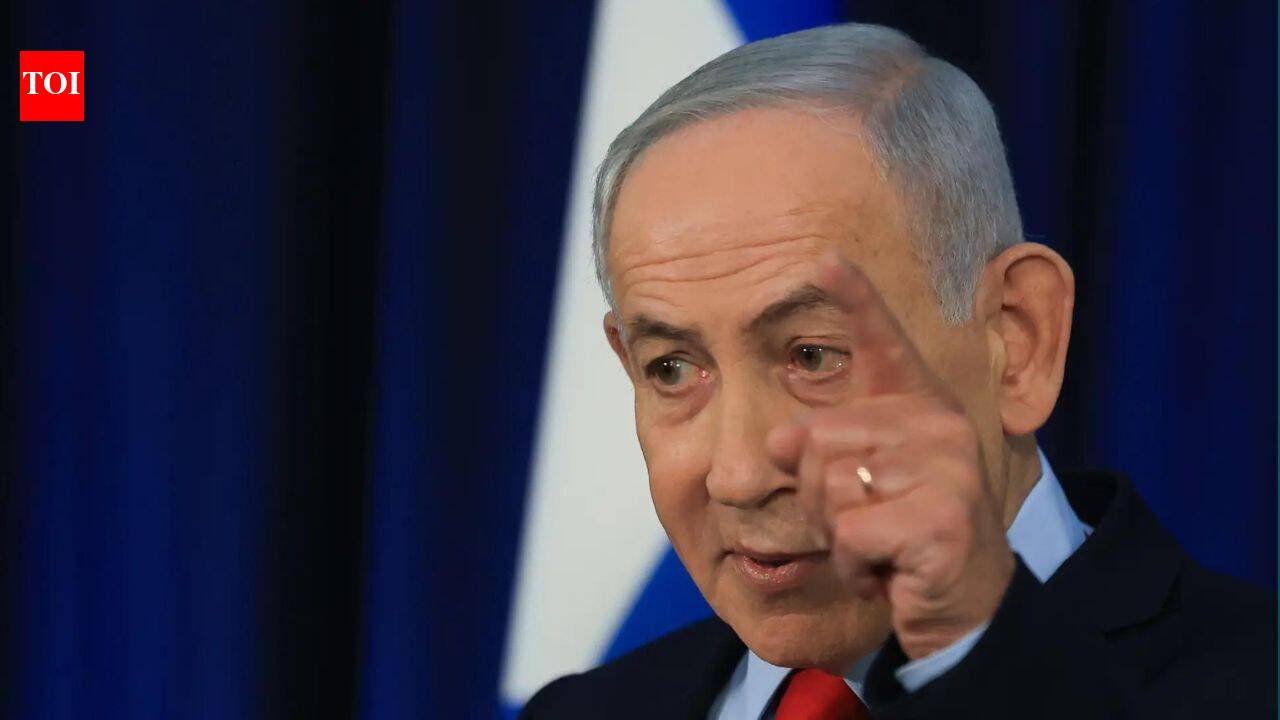
A recent report claims UAE President Sheikh Mohamed bin Zayed warned Benjamin Netanyahu of an impending Hamas attack ten days before October 7. While the report suggests the warning was ignored, the Israeli Prime Minister's office has categorically denied the account as an absolute lie.
The Alleged Warning: Unpacking the Diplomatic Intelligence Breach
Recent reports circulating in Israeli media, specifically citing the book ‘Kidnapped: 843 Days of Abandonment’ and coverage by Haaretz, have brought to light a startling allegation regarding the lead-up to the October 7, 2023, Hamas-led attack on Israel. According to these accounts, United Arab Emirates (UAE) President Sheikh Mohamed bin Zayed (MBZ) engaged in a 45-minute telephone conversation with Israeli Prime Minister Benjamin Netanyahu approximately ten days prior to the massacre. During this call, the UAE leader purportedly issued a direct warning that Hamas leader Yahya Sinwar was orchestrating a major operation against Israel.
The Geopolitical Stakes of the Abraham Accords
The implications of such a warning, if true, are profound, particularly concerning the stability of the Abraham Accords. The UAE, a key signatory to these normalization agreements, reportedly emphasized that a large-scale conflict would not only result in significant bloodshed but would also fundamentally destabilize the region and threaten the long-term viability of the diplomatic ties established in 2020. By alerting the Israeli leadership, the UAE was ostensibly attempting to protect the regional security architecture that they had spent years cultivating alongside Israel.
The Allegation of Internal Secrecy
Perhaps the most controversial aspect of the report is the claim that Benjamin Netanyahu chose not to share this intelligence with Israel’s senior security leadership. In the context of national security, the failure to disseminate high-level warnings from regional allies to the intelligence and defense establishment represents a potential breakdown in the chain of command and information sharing. If the Prime Minister received such specific warnings and failed to act or inform his cabinet, it suggests a profound disconnect between the executive office and the security apparatus responsible for preventing such catastrophic intelligence failures.
Official Denials and the Battle of Narratives
In response to these allegations, the office of Prime Minister Benjamin Netanyahu has issued a swift and categorical denial, labeling the report as an "absolute lie." This creates a volatile narrative environment where the veracity of the claim is pitted against the official stance of the Israeli government. The denial serves to protect the Prime Minister from accusations of negligence, yet the persistence of these reports—backed by detailed accounts of the phone call—highlights a growing rift in the public and political discourse regarding accountability for the failures surrounding October 7.
Broader Implications for Regional Security
The disclosure of this alleged exchange underscores the delicate nature of intelligence sharing between Israel and its Arab partners. If regional leaders were aware of the threat, it suggests that the intelligence community at large may have had pieces of the puzzle that, if connected earlier, could have potentially altered the trajectory of the events that unfolded on October 7. As investigations into the security failures continue, this report serves as a critical focal point for understanding how diplomatic warnings are processed—or ignored—at the highest levels of government.
Conclusion and Future Outlook
The debate over the alleged warning from the UAE is emblematic of the broader political turbulence currently defining Israeli leadership. Whether or not the phone call took place, the public dissemination of this report adds significant pressure on the government to account for its performance in the lead-up to the war. Moving forward, the historical record of these events will likely remain a subject of intense scrutiny, with the role of regional diplomacy and the efficacy of internal Israeli decision-making serving as central themes for future inquiry.