Bill Ackman's $5 billion fund trades 20% below its NAV as S&P 500 soars — and high fees aren't helping
Source Entity
Yahoo Finance
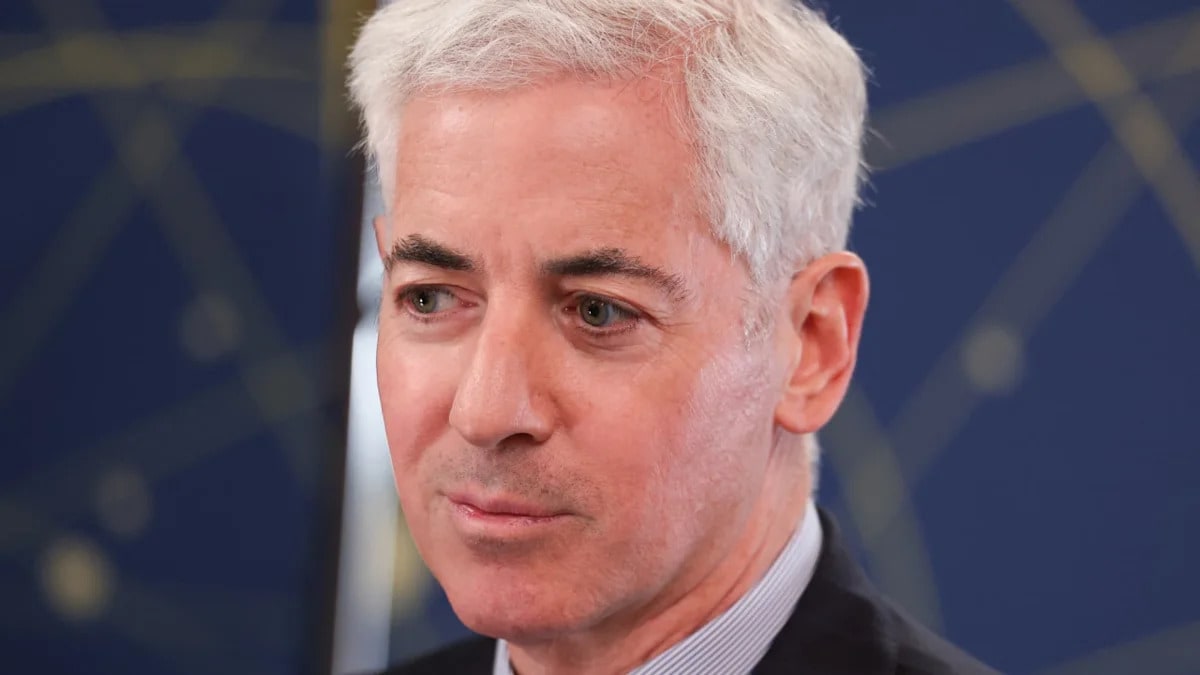
Bill Ackman's newly launched Pershing Square USA (PSUS) fund is struggling, trading 20% below its NAV despite a strong broader market. While Ackman has deployed over 95% of the fund's $5 billion capital into 14 stocks, investor sentiment remains dampened by the fund's poor performance since its IPO.
The Disconnect: Pershing Square USA vs. Market Reality
Bill Ackman, a high-profile figure in the hedge fund industry, finds himself in a complex position following the launch of Pershing Square USA (PSUS). Despite raising $5 billion in its initial public offering, the fund has failed to mirror the robust growth of the broader market. While the S&P 500 has surged nearly 14% year-to-date, PSUS has trended downward, with shares falling from their $50 IPO price to the $40-range. This divergence highlights a significant disconnect between investor expectations and the current market reality of the closed-end fund.
Understanding the NAV Discount
A critical factor in this narrative is the fund's performance relative to its net-asset value (NAV). Closed-end funds often trade at a premium or discount to their NAV, but the current 20% discount on PSUS is a source of frustration for Ackman. This disparity suggests that the market is currently valuing the underlying assets of the fund significantly lower than their intrinsic worth, or perhaps, it reflects investor skepticism regarding the fund's fee structure and its ability to outperform in the current economic climate.
Strategic Capital Deployment
In his Q2 shareholder letter, Ackman noted that the firm has been highly productive, deploying over 95% of the fund's capital into 14 distinct investments. The portfolio strategy focuses on companies that are described as "simple, predictable, and free cash flow-generative." New positions include major industry players like Visa, Mastercard, Intercontinental Exchange, Netflix, Alcon, and S&P Global. By prioritizing these blue-chip, high-moat businesses, Ackman is attempting to build a foundation for long-term stability rather than short-term speculative gains.
The Challenge of Closed-End Structures
The structure of PSUS presents unique challenges compared to traditional hedge funds. Because it is a closed-end fund listed on the New York Stock Exchange, its price is subject to market sentiment and liquidity dynamics that do not affect private funds. This visibility allows for daily trading but also exposes the fund to the volatility of retail and institutional sentiment, which currently appears to be weighing on the share price regardless of the quality of the underlying stock picks.
Broader Implications and Future Trends
Looking forward, the success of PSUS will likely depend on Ackman’s ability to prove the value proposition of his stock selection over the long term. If the fund continues to trade at a significant discount, it may lead to increased pressure from shareholders to implement measures such as share buybacks or restructuring to close the valuation gap. Ultimately, the performance of PSUS serves as a case study for the difficulties of launching high-profile public funds in a market already dominated by low-cost index-tracking ETFs, where fees are often scrutinized more heavily than active management alpha.