Bill Gates just said what no tech leader will about AI
Source Entity
Yahoo Finance
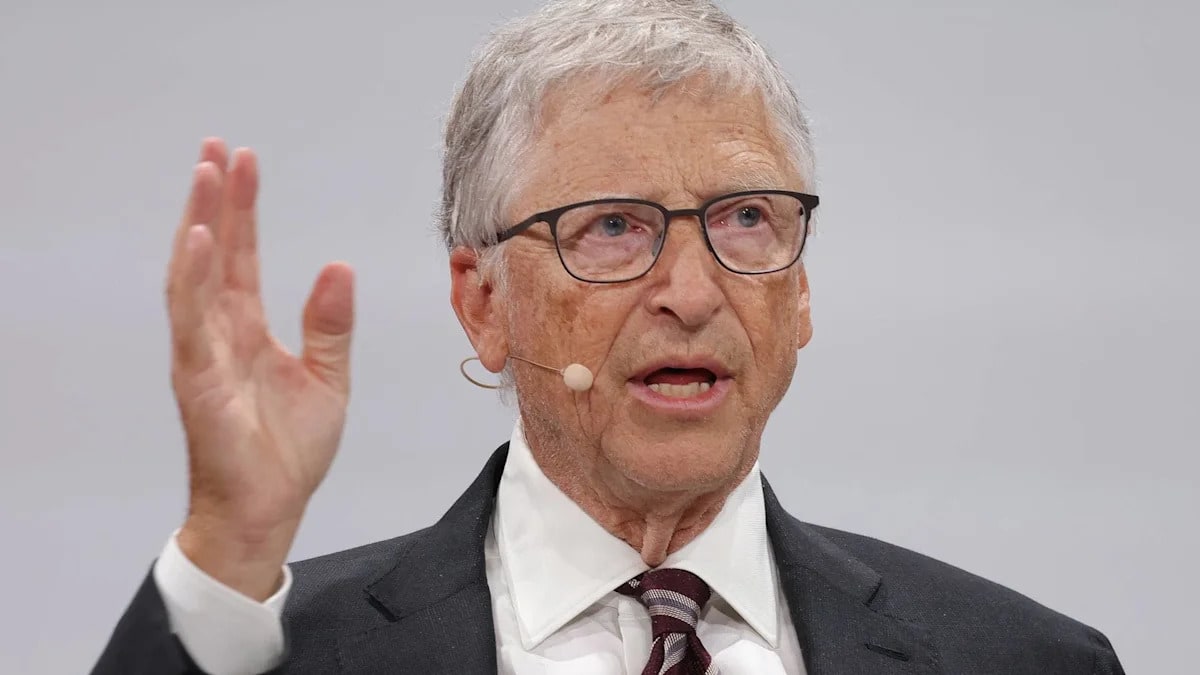
Bill Gates has publicly acknowledged that AI developers are suppressing concerns about the technology's dangers to protect essential funding. In a candid essay, he advocates for a slower pace of AI advancement to address critical risks.
The Unspoken Reality of AI Development
In a departure from his historical role as a relentless technological optimist, Microsoft co-founder Bill Gates has issued a stark warning regarding the trajectory of artificial intelligence. In a 6,000-word essay published on his GatesNotes website, Gates articulated a position he has never held in his five decades of industry leadership: he believes the technology is advancing too quickly and warrants a more measured pace. This intervention signals a significant shift in the discourse surrounding generative AI, moving from pure innovation to a focus on systemic risk management.
The Economics of Silence
Perhaps the most provocative claim in Gates’ analysis is his assertion that the industry’s silence is deliberate and financially motivated. According to Gates, the leaders currently building the most advanced AI models are acutely aware of the existential and societal dangers posed by their creations. However, they choose to remain quiet because acknowledging these risks publicly would threaten the massive capital pipelines that fuel their research and development. This creates a perverse incentive structure where the desire for market dominance and investor confidence outweighs the immediate need for safety protocols.
Strategic Suppression and Industry Compliance
Gates suggests that this silence is not merely a collection of individual choices, but an industry-wide phenomenon. By speaking to The New York Times, Gates has effectively broken the seal on these private conversations, bringing to light the tension between rapid innovation and ethical caution. The implication is that the current AI arms race is being driven as much by the fear of losing funding as it is by a genuine belief in the technology's immediate benefits, forcing companies to bypass necessary safety checks to stay ahead of competitors.
Defining the Risks
While the industry maintains a public facade of confidence, Gates identifies three distinct categories of risk that he believes warrant immediate, transparent action. Though he does not outline the full technical scope of these risks in the provided context, his insistence that they are being suppressed underscores the gravity of the situation. By framing these threats as manageable only through public discourse rather than private development, he is challenging the current paradigm of 'move fast and break things' that has defined the tech sector for years.
Broader Implications for Tech Governance
This development suggests that the future of AI regulation may need to shift from internal corporate oversight to more rigorous, external accountability. If the developers themselves are constrained by financial interests from being transparent about system vulnerabilities, then the burden of safety must shift to regulatory bodies and independent auditors. Gates’ call for a slower pace of development essentially argues that the current 'funding-first' model is incompatible with the long-term safety of the digital ecosystem.
A New Era of Responsibility
Ultimately, Bill Gates’ recent essay serves as a catalyst for a necessary reckoning within the technology sector. By highlighting the disconnect between what is said in private boardrooms and what is told to the public, he has set a new standard for leadership in the AI age. Whether the industry will heed his call to prioritize safety over the immediate capital pipeline remains to be seen, but the days of unquestioned enthusiasm for rapid AI acceleration are clearly coming to an end.