Centre targets replacement of two lakh old trucks, buses in Delhi-NCR within a year
Source Entity
India Latest News: Top National Headlines Today & Breaking News | The Hindu
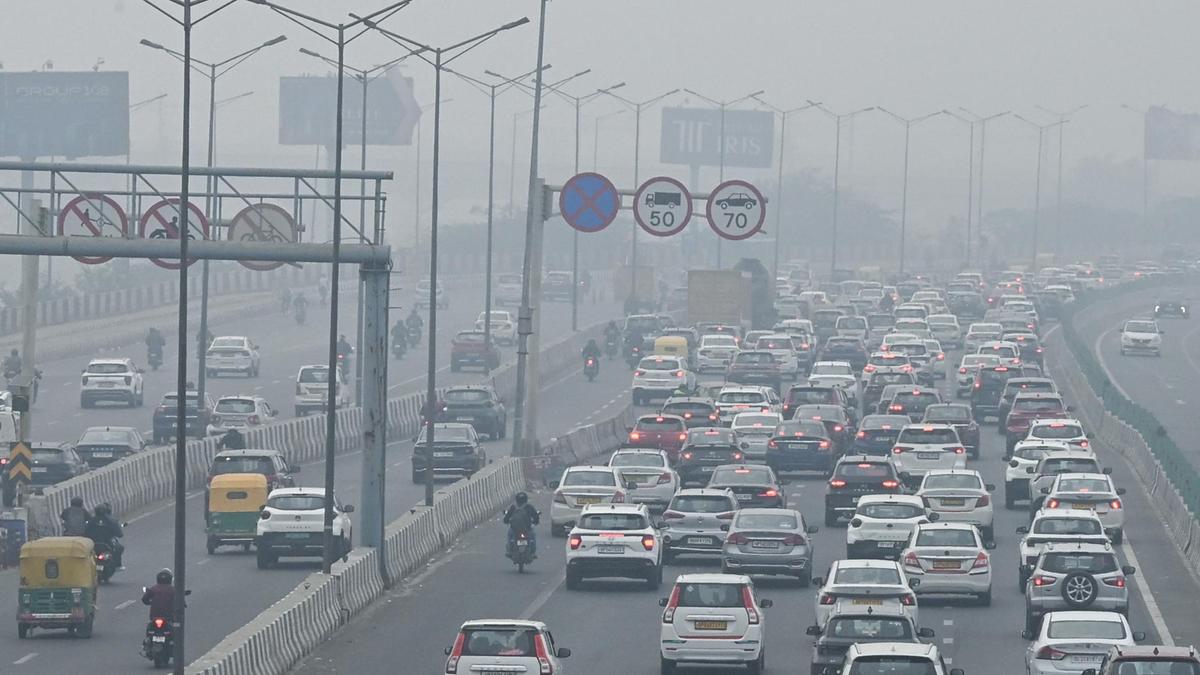
The Ministry of Road Transport and Highways has accelerated the PARIVARTAN scheme to replace over 230,000 polluting commercial vehicles in Delhi-NCR within one year. This initiative aims to combat severe air pollution levels by incentivizing the shift to BS-VI and electric vehicles.
Accelerating the PARIVARTAN Initiative
The Ministry of Road Transport and Highways (MoRTH) has announced an ambitious acceleration of its PARIVARTAN (Programme for Accelerated Renewal and Incentivization of Vehicle Assets for Reducing Transport Air Pollution and Network Emissions) scheme. Secretary V. Umashankar has confirmed that the government intends to complete the registration of 230,000 trucks and buses within a single year, effectively halving the original two-year timeline sanctioned by the Union Cabinet in June. This urgency reflects a strategic pivot toward aggressive environmental intervention in the National Capital Region (NCR).
Addressing the Air Quality Crisis
The necessity for this accelerated timeline is underscored by the dire atmospheric conditions in the region. Recent data from the World Air Quality Report 2025 by IQAir identified New Delhi as the world’s most polluted capital, recording an annual average PM2.5 level of 99.6µg/m³. This figure is staggering, representing nearly 20 times the safety threshold established by the World Health Organization (WHO). By targeting older commercial fleets that conform to BS-IV or older emission standards, the government is focusing on one of the most significant contributors to vehicular smog.
The Mechanics of the PARIVARTAN Scheme
Launched on July 14, the PARIVARTAN scheme is designed to facilitate a systemic transition to cleaner energy sources, specifically BS-VI compliant internal combustion engines and electric vehicles. To ensure widespread adoption, the program provides a suite of financial incentives, including interest savings, tax waivers, and direct purchase subsidies. These measures are intended to lower the barrier to entry for fleet operators, who might otherwise struggle with the capital expenditure required for rapid vehicle replacement.
Institutional Synergy and Funding
The execution of such a large-scale logistical transition requires robust inter-ministerial cooperation. The program is being funded through the National Capital Region Planning Board under the Ministry of Housing and Urban Affairs, demonstrating a unified governmental approach to regional air quality management. By streamlining the registration process across Delhi, Haryana, Rajasthan, and Uttar Pradesh, the Ministry aims to create a cohesive regulatory environment that discourages the continued operation of high-emission legacy fleets.
Future Implications and Environmental Goals
The primary objective of this fast-tracked policy is to observe tangible air quality improvements by the next winter season. If successful, the replacement of over 200,000 heavy-duty vehicles will represent a massive reduction in the region's carbon and particulate footprint. This initiative serves as a litmus test for India's broader commitment to decarbonizing its transport sector. Future trends suggest that if the PARIVARTAN model proves effective in the NCR, it could be scaled to other metropolitan hubs facing similar pollution challenges, setting a national precedent for fleet renewal policies.
Verification Required?