Lindsay Clancy trial update: What happens if she's found not guilty by reason of insanity? Possible path to ‘freedom’
Source Entity
Latest News: Todays Latest News Headlines from India & World | Hindustan Times | Hindustan Times
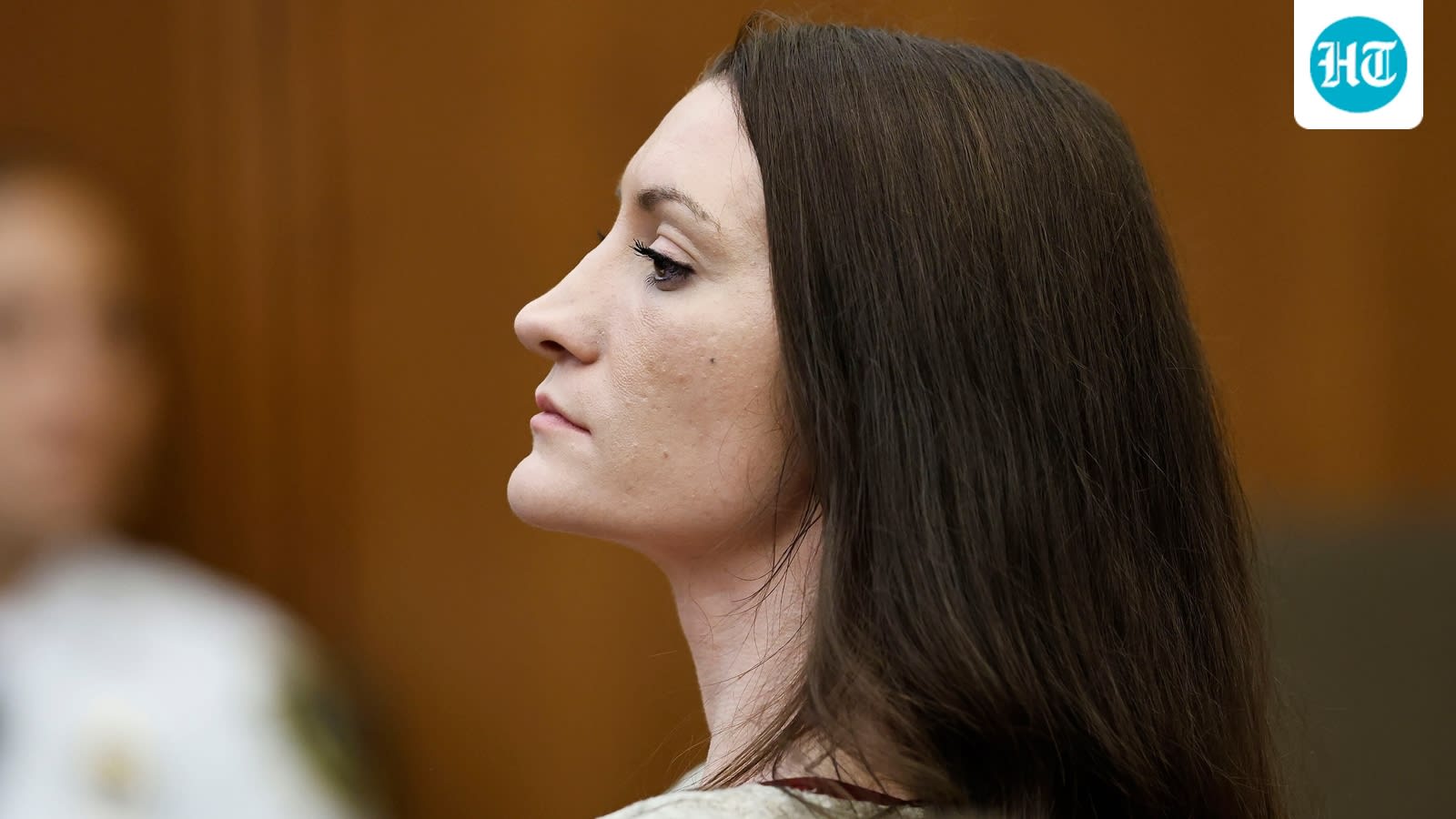
The trial of Lindsay Clancy hinges on whether the jury finds her legally insane due to postpartum psychosis or criminally responsible for the 2023 deaths of her children. A verdict of not guilty by reason of insanity would shift her future from prison to long-term psychiatric treatment.
The Legal and Clinical Crossroads of the Lindsay Clancy Trial
The Core Conflict: Criminal Responsibility vs. Mental Health
The ongoing trial of Lindsay Clancy, a 36-year-old former nurse accused of the January 2023 strangulation deaths of her three children—Cora, Dawson, and Callan—in their Duxbury, Massachusetts home, has reached a critical juncture. The jury is currently faced with a profound legal and moral dilemma: determining whether Clancy’s actions were the result of a calculated criminal intent or the manifestation of severe postpartum psychosis. This distinction is the bedrock of the defense's argument for a verdict of not guilty by reason of insanity.
The Prosecution and Defense Narratives
Prosecutors maintain that Clancy possessed the cognitive awareness to understand the nature of her actions, arguing that the tragedy was a planned event rather than a sudden psychological break. Conversely, the defense asserts that Clancy was suffering from a debilitating mental health crisis that rendered her unable to appreciate the criminality of her conduct. The outcome of these deliberations will determine whether she serves a sentence in a correctional facility or is remanded to a secure psychiatric facility for long-term treatment.
Implications of an Insanity Verdict
Should the jury return a verdict of not guilty by reason of insanity, the trajectory of Clancy’s life will be governed by the state’s civil commitment laws. Under this legal framework, the focus shifts from punitive incarceration to clinical rehabilitation. Such a ruling acknowledges that while the defendant committed the acts, her mental state at the time precluded legal culpability, necessitating medical intervention rather than penal retribution.
Life After the Verdict: The Path to Rehabilitation
The uncertainty of Clancy’s future is underscored by evidence presented during the trial, including hospital records that indicate she has contemplated her post-trial life. If she is placed into long-term psychiatric care, her potential for future release will remain contingent upon rigorous, multi-year evaluations by mental health professionals and state oversight boards. This process ensures that individuals found not guilty by reason of insanity are only granted a transition back into society if they no longer pose a danger to themselves or the public.
Societal and Legal Reflections
This case has sparked significant public discourse regarding the intersection of postpartum mental health and the criminal justice system. It forces a broader examination of how society treats mothers suffering from extreme psychiatric episodes and whether existing legal definitions of insanity adequately account for the complexities of postpartum psychosis. As the trial concludes, the verdict will serve as a poignant case study in the evolving balance between accountability and empathy within the American judicial system.
Verification Required?