"Either Greatest Equaliser Or Worst Source Of Injustice": Bill Gates On AI
Source Entity
NDTV News Search Records Found 1000
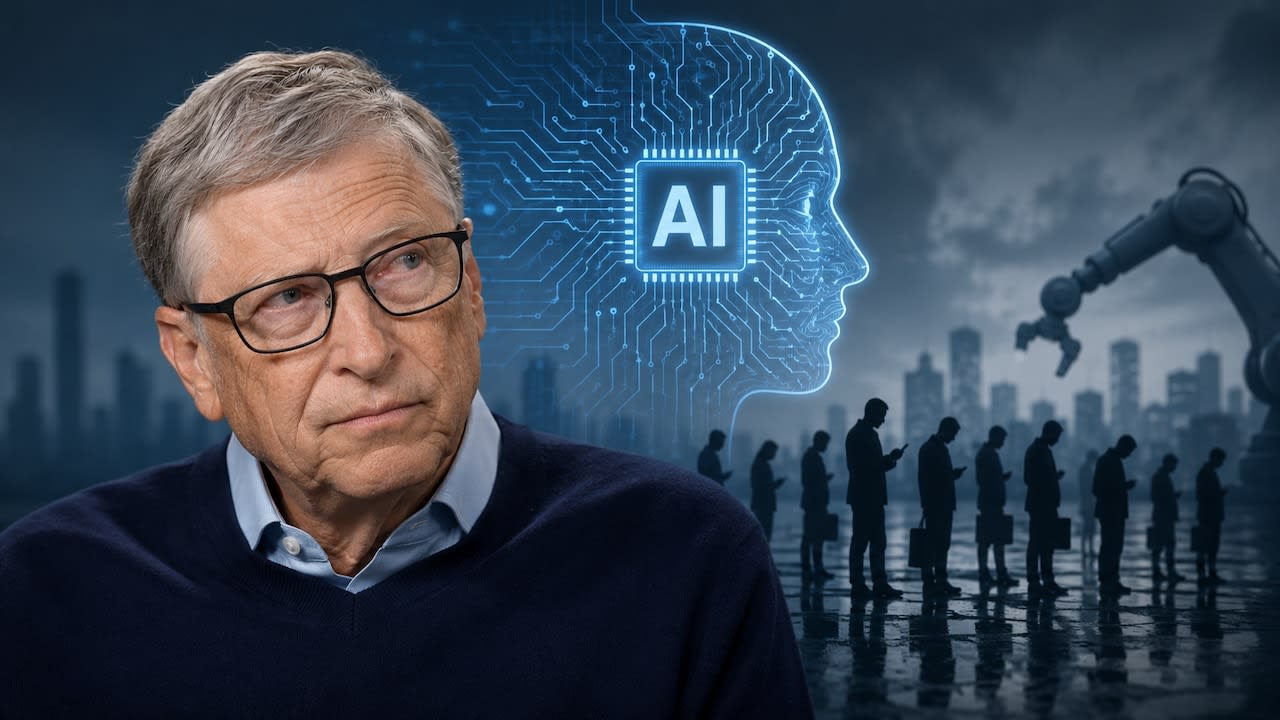
Bill Gates has identified three primary risks associated with the rapid deployment of artificial intelligence. He characterizes the technology as a double-edged sword, potentially acting as either a great equalizer or a significant source of injustice.
The Dual Nature of Artificial Intelligence
Bill Gates, the co-founder of Microsoft and a prominent figure in global philanthropy, has recently addressed the rapid evolution of artificial intelligence (AI). His assessment frames the technology as a pivotal force in human history, characterizing it as either the "greatest equalizer" or the "worst source of injustice." This dichotomy underscores the transformative potential of AI to bridge societal gaps or, conversely, to exacerbate existing disparities if not managed with careful oversight and ethical consideration.
The Three Pillars of Risk
While Gates has been a vocal proponent of technological advancement, his recent commentary highlights that the current pace of AI deployment is not without peril. He specifically identified three main risks inherent in the fast-tracked integration of these systems into society. Although these risks are broad, they reflect the common concerns shared by technologists and policymakers regarding the pace of innovation versus the speed of regulatory adaptation.
AI as a Societal Equalizer
When Gates references AI as an equalizer, he is likely alluding to its capacity to democratize access to high-quality education, healthcare, and professional tools. By automating routine tasks and augmenting human cognitive abilities, AI could theoretically provide underserved populations with resources that were previously gated by cost or geography. This vision aligns with his long-standing work in global health and development, where technology is often seen as a leverage point for massive social improvement.
The Peril of Injustice
Conversely, the potential for AI to become a source of injustice stems from the risk of algorithmic bias, the displacement of labor, and the widening of the digital divide. If AI systems are trained on skewed data, they may perpetuate existing societal prejudices, leading to unfair outcomes in areas such as lending, hiring, or judicial sentencing. Furthermore, the rapid deployment of these tools without adequate safeguards could leave vulnerable populations behind, effectively creating a new tier of technological inequality.
Navigating the Future
Predicting the trajectory of AI requires acknowledging that its impact will be determined by the decisions made today by developers, governments, and corporations. As these systems become more deeply embedded in daily life, the challenge will be to mitigate these identified risks while maintaining the momentum of innovation. The discourse initiated by Gates serves as a necessary call for a balanced approach to development that prioritizes safety and equitable access over raw speed.
Conclusion
In summary, Bill Gates’ perspective on artificial intelligence highlights the high-stakes nature of this technological revolution. By identifying the core risks of rapid deployment, he emphasizes that the ultimate utility of AI—whether it serves to empower or to oppress—depends entirely on human intent and governance. Moving forward, the global community must navigate this complex landscape with a focus on ethical deployment to ensure that the benefits of AI are realized for everyone.
Verification Required?