Naveen Patnaik once kept distance from BJP and Congress. Why that changed
Source Entity
Sujit Bisoyi
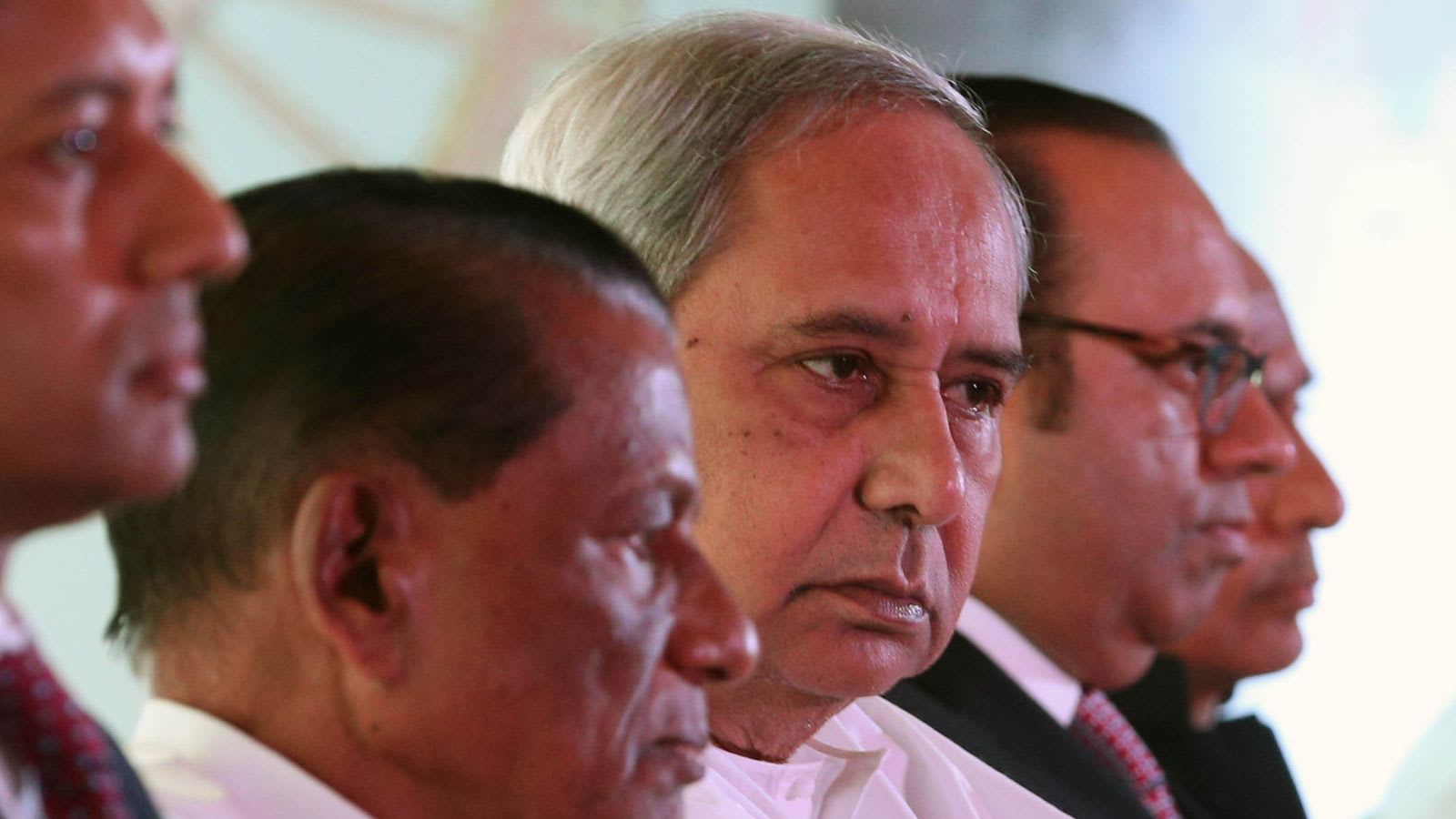
Naveen Patnaik’s Biju Janata Dal (BJD) has abandoned its long-standing policy of equidistance by joining the INDIA bloc’s protest against the Election Commission. The party is demanding the resignation of CEC Gyanesh Kumar over alleged irregularities in the Special Intensive Revision (SIR) of voter rolls.
A Strategic Shift in Odisha Politics
For decades, the Biju Janata Dal (BJD), under the leadership of Naveen Patnaik, maintained a rigid policy of 'equidistance' from both the Bharatiya Janata Party (BJP) and the Congress-led coalitions. This neutral stance allowed the party to influence national policy while consolidating power in Odisha. However, the recent decision to join the INDIA bloc’s protest against the Election Commission of India marks a definitive pivot in BJD’s political trajectory, signaling a departure from its traditional isolationist approach.
The Catalyst: Voter Roll Irregularities
The immediate trigger for this alliance is the controversy surrounding the Special Intensive Revision (SIR) of electoral rolls. The BJD has raised alarm over the alleged exclusion of over 20 lakh voters in Odisha and more than 13 crore voters nationwide. By demanding the resignation of Chief Election Commissioner Gyanesh Kumar, the BJD is positioning itself as a primary defender of democratic integrity, effectively aligning its interests with the broader Opposition bloc.
Reclaiming the Opposition Space
Following its defeat in the recent state assembly elections, the BJD has faced significant internal and external challenges, including leadership uncertainty and a perceived vacuum in the opposition space. By participating in the protest march in Delhi alongside prominent leaders like Rahul Gandhi and Priyanka Gandhi Vadra, the BJD is attempting to re-establish its relevance and mobilize its base ahead of the 2027 panchayat elections. This move suggests that the party is no longer content with its former neutral status, especially given the increasingly strained relationship with the ruling BJP.
From Equilibrium to Confrontation
The BJD’s decision is not merely a reaction to the SIR issue but a calculated response to the changing power dynamics in Odisha. Since the BJP unseated the BJD from state power, the regional party has struggled to regain its footing. Joining the protest serves as a strategic maneuver to signal to the electorate that the BJD is the true, vocal opposition to the current ruling establishment, rather than a party in decline.
Broader Implications for Indian Federalism
This shift reflects a wider trend in Indian politics where regional parties, when pushed to the periphery, are increasingly willing to shed their 'neutral' tags to form issue-based coalitions. The BJD's collaboration with the INDIA bloc underscores the growing concern among regional players regarding the independence and administrative processes of constitutional bodies like the Election Commission.
Looking Ahead: The Road to 2027
As the BJD grapples with an evolving political landscape, the coming years will be critical. The party's ability to sustain this newfound alignment with the Opposition will depend on whether this move resonates with voters in Odisha who have historically supported Patnaik for his stability and regional focus. If the BJD can successfully frame the voter roll issue as a fight for the rights of the common citizen, it may well succeed in filling the opposition vacuum and challenging the BJP’s current dominance in the state.
Multiple Citing Sources