Sweet spot turns sour as BJP’s grip on Gujarat sugar cooperatives loosens
Source Entity
Kamal Saiyed
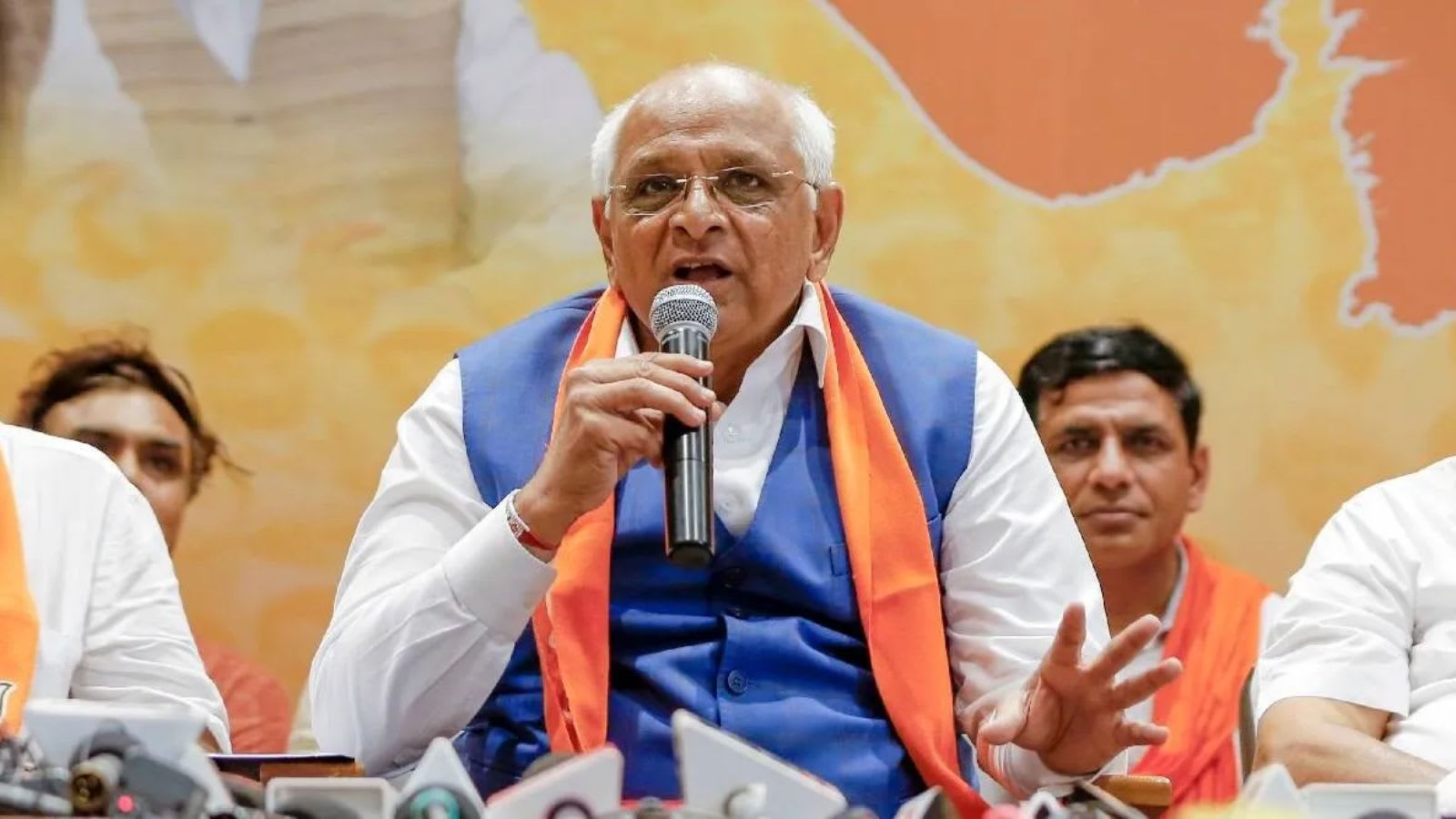
The BJP's decade-long dominance over Gujarat's sugar cooperatives is facing internal fractures as rebels challenge party-backed panels. Recent election results, notably the loss at Bardoli Sugar, highlight growing farmer dissatisfaction with the politicization of the cooperative sector.
The Erosion of BJP Hegemony in Gujarat's Sugar Cooperatives
For over a decade, the Bharatiya Janata Party (BJP) maintained a firm grip on the administrative boards of Gujarat’s 13 operational cooperative sugar factories, primarily concentrated in the fertile landscape of South Gujarat. This influence was not merely political but structural, as these cooperatives serve as the backbone of the region's rural economy. However, recent election cycles held in August have signaled a significant shift, as the party faces mounting resistance to the perceived “politicisation” of these farmer-led institutions.
The Anatomy of Electoral Setbacks
The recent polls have exposed deep-seated divisions within the party’s rank and file. In six cooperatives that recently went to the polls, the BJP failed to maintain its absolute dominance. In two instances, party-backed panels were defeated by rival groups, many of which were composed of BJP rebels. This indicates that the friction is not coming from external opposition alone, but from within the party’s own base, where local leaders are increasingly prioritizing cooperative governance over rigid party mandates.
The Fall of the Bardoli Stronghold
The most symbolic and significant blow to the party’s influence was the defeat at the Shree Khedut Sahakari Khand Udyog Mandli Ltd, widely known as Bardoli Sugar. This loss is particularly poignant as it represents the end of a 20-year era of control. The emergence of a “farmers’ panel” that successfully unseated the BJP-backed leadership suggests that the agrarian community is actively pushing back against top-down political interference in institutions that were historically designed to be independent.
Broader Implications for Cooperative Governance
The “politicisation” of cooperatives has long been a contentious issue in Indian politics. When political parties treat cooperatives as extensions of their organizational machinery, it often leads to a disconnect between the management and the actual needs of the farmers. The recent results in South Gujarat suggest that the traditional model of party-led control is becoming unsustainable. Farmers appear to be favoring candidates who prioritize local economic interests over partisan loyalty.
Future Trends and Political Realignment
Looking ahead, this trend of rebellion may serve as a bellwether for wider dissatisfaction within the state’s rural belts. If the BJP cannot reconcile its political ambitions with the cooperative sector's autonomous roots, it risks further alienation of its core agricultural constituents. The rise of rebel panels indicates a growing confidence among local leaders to challenge the party high command when local interests are at stake. Future elections will be critical in determining whether this is a temporary localized phenomenon or a long-term shift in the power dynamics of Gujarat’s rural cooperatives.