BJP MP Shares "Zombie Drug" Video As Punjab's, Turns Out It's From Rajasthan
Source Entity
NDTV News Search Records Found 1000
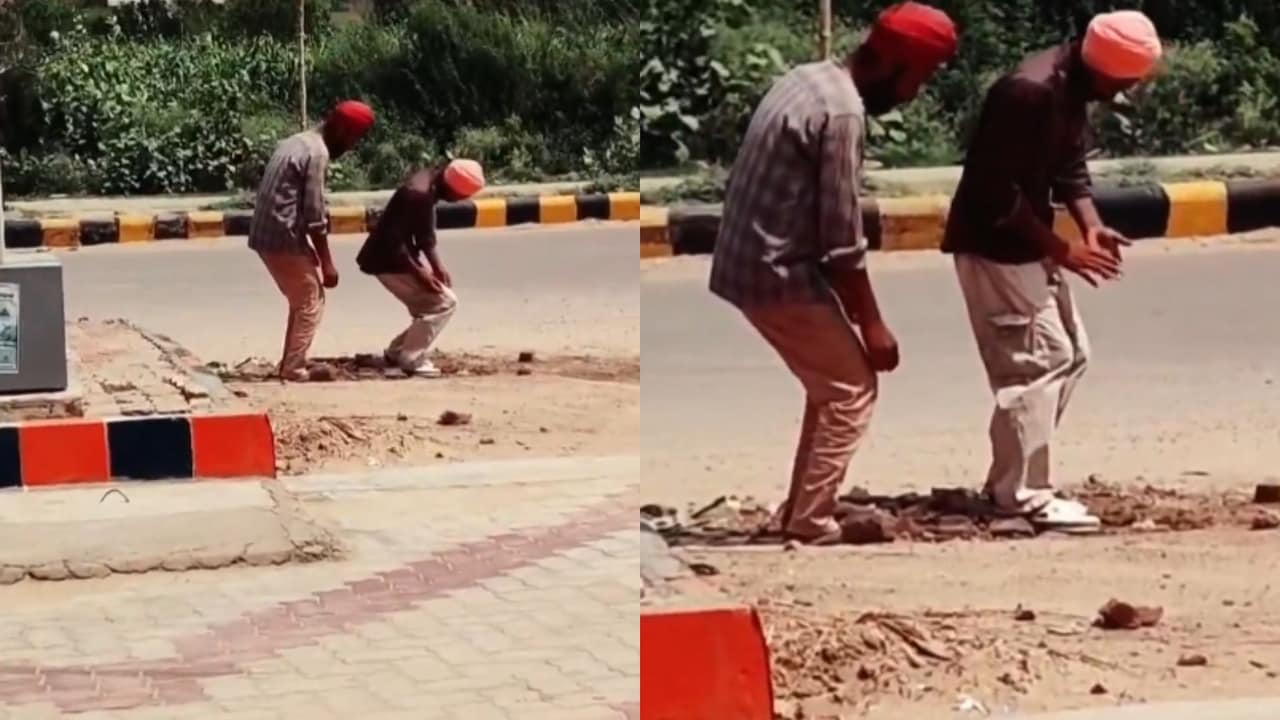
A BJP MP faced backlash after sharing a video of alleged 'zombie drug' users in Punjab that was actually filmed in Rajasthan. The incident has intensified the ongoing political conflict between the AAP and BJP regarding Punjab's drug crisis.
The Intersection of Misinformation and Political Rivalry
The Incident: A Case of Misattributed Evidence
Recent political discourse in India took a contentious turn when a Member of Parliament from the Bharatiya Janata Party (BJP) shared a video on social media, alleging it depicted the harrowing effects of a 'zombie drug' epidemic in Punjab. However, subsequent fact-checking efforts revealed that the footage was not captured in Punjab at all, but rather in the neighboring state of Rajasthan. This misattribution highlights the increasing reliance on unverified digital content within political communication strategies.
Escalation of the AAP-BJP Conflict
Rather than resolving the underlying issue, the dissemination of this video has served to deepen the divide between the Aam Aadmi Party (AAP), which governs Punjab, and the BJP. The incident has been quickly subsumed into a broader, heated political battle. For the BJP, the video was intended to serve as a visual indictment of the current state administration's inability to manage the drug crisis. Conversely, for the AAP, the error has provided a tactical opening to question the credibility of their opponents' narrative.
The Broader Context of Punjab's Drug Crisis
Punjab has long grappled with significant challenges related to substance abuse, a topic that frequently dominates regional and national political agendas. The state's proximity to international borders and historical socioeconomic factors have made drug policy a central pillar of election campaigning. By weaponizing visual media, political parties are increasingly attempting to simplify complex public health issues into bite-sized, emotionally charged content meant for viral consumption.
The Dangers of Digital Populism
This episode serves as a cautionary tale regarding the speed at which political narratives travel in the digital age. In the rush to secure a 'win' on social media, the verification process is often bypassed. When political leaders share unverified information, it risks eroding public trust in institutional discourse and can lead to the widespread dissemination of misinformation that complicates the public's understanding of genuine societal problems.
Future Trends in Political Communication
Looking ahead, it is likely that political parties will continue to leverage social media to highlight regional crises. However, as public awareness of 'fake news' and deepfakes grows, the political cost of sharing inaccurate information will also rise. This incident suggests that future political skirmishes will be defined not just by the policies proposed, but by the rigor and accuracy of the evidence provided to support those policy stances.
Conclusion
The incident involving the misattributed 'zombie drug' video underscores the volatile nature of modern Indian politics. While the drug crisis in Punjab remains a grave, factual concern that requires sustained policy attention, the focus has shifted to the integrity of the information being presented. Moving forward, the efficacy of political communication will increasingly depend on the ability of parties to substantiate their claims with verifiable data rather than sensationalized, mislabeled media.
Verification Required?