Ethereum Foundation doubles protocol security team ahead of overhaul
Source Entity
Cointelegraph by Felix Ng
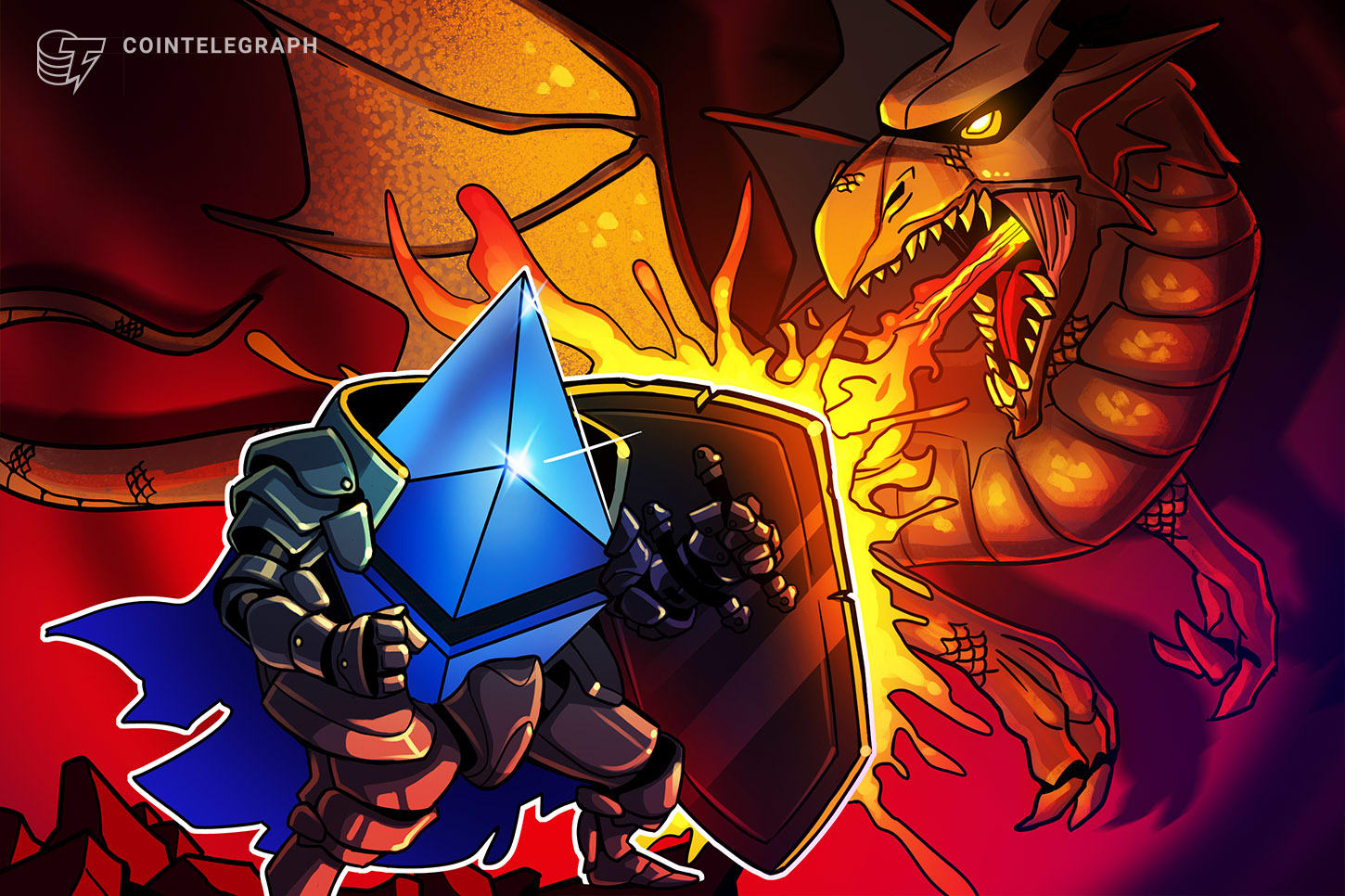
Base and the Ethereum Foundation are aggressively upgrading their security infrastructure to defend against future quantum computing and AI-driven threats. These proactive measures include protocol overhauls and the expansion of security teams to mitigate risks to decentralized finance assets.
The Quantum Shift: Securing the Future of Decentralized Finance
The landscape of blockchain security is undergoing a seismic shift as major industry players, specifically Base and the Ethereum Foundation, prioritize long-term defenses against emerging technological threats. With quantum computing moving from theoretical research toward practical application, the cryptographic foundations of current blockchain networks are being re-evaluated. Base, an Ethereum layer-2 network managed by Coinbase, has officially designated quantum security as a primary objective for 2027, signaling an industry-wide recognition that the 'harvest now, decrypt later' threat model is becoming an immediate concern.
Base and the Everest Upgrade
Base creator Jesse Pollak has identified the upcoming 'Everest' upgrade as a foundational step toward shielding the network's ecosystem. As the second-largest blockchain by total value locked (TVL)—boasting approximately $5.1 billion in assets—Base carries a significant responsibility to its users. Pollak emphasizes that while the Everest upgrade will not immediately render wallets quantum-resistant, it will introduce new transaction structures that pave the way for future cryptographic hardening. This incremental approach is essential for maintaining network stability while layering in complex, post-quantum security protocols.
Ethereum’s Dual-Front Battle: Quantum and AI
Parallel to these efforts, the Ethereum Foundation is undertaking an even more ambitious overhaul. Researcher Kev Wedderburn has highlighted that the challenge extends beyond quantum computing, with the rapid advancement of artificial intelligence creating new, more immediate vectors for exploitation. The Foundation has doubled its protocol security team to manage the risks inherent in such a massive transition, which involves fundamental changes to how validators sign messages, how transactions are authorized, and how rollup data is verified.
The Complexity of Security Upgrades
One of the most pressing concerns for developers is the sheer complexity of these upgrades. Wedderburn noted that the planned overhaul is technically more difficult than the 'Merge'—the transition of Ethereum to proof-of-stake—and requires a faster development pace. This accelerated timeline introduces a critical trade-off: the increased pressure to ship robust defenses creates a higher risk of introducing software bugs. By doubling the security team, the Foundation is attempting to balance the urgency of the threat with the necessity of maintaining a secure and reliable network.
Broader Implications for DeFi
For the broader DeFi sector, these developments represent a maturing of the industry. The movement toward quantum-ready infrastructure is a necessary evolution to protect billions of dollars in locked assets from future decryption capabilities. As networks like Base and Ethereum lead the way, it is likely that other layer-1 and layer-2 protocols will follow suit, establishing a new standard for cryptographic security in the age of advanced computing.
Conclusion: A Proactive Stance
The proactive stance taken by Base and the Ethereum Foundation suggests that the blockchain industry is transitioning from a period of rapid experimentation to one of long-term structural hardening. While the threats from quantum computing and AI are significant, the dedication of resources and the implementation of phased upgrades indicate that these networks are well-positioned to evolve. The coming years will be defined by this race to secure decentralized assets against the next generation of computational power.