BMC’s new trenching policy aims to minimise road-digging, making utility agencies more accountable
Source Entity
Latest News: Todays Latest News Headlines from India & World | Hindustan Times | Hindustan Times
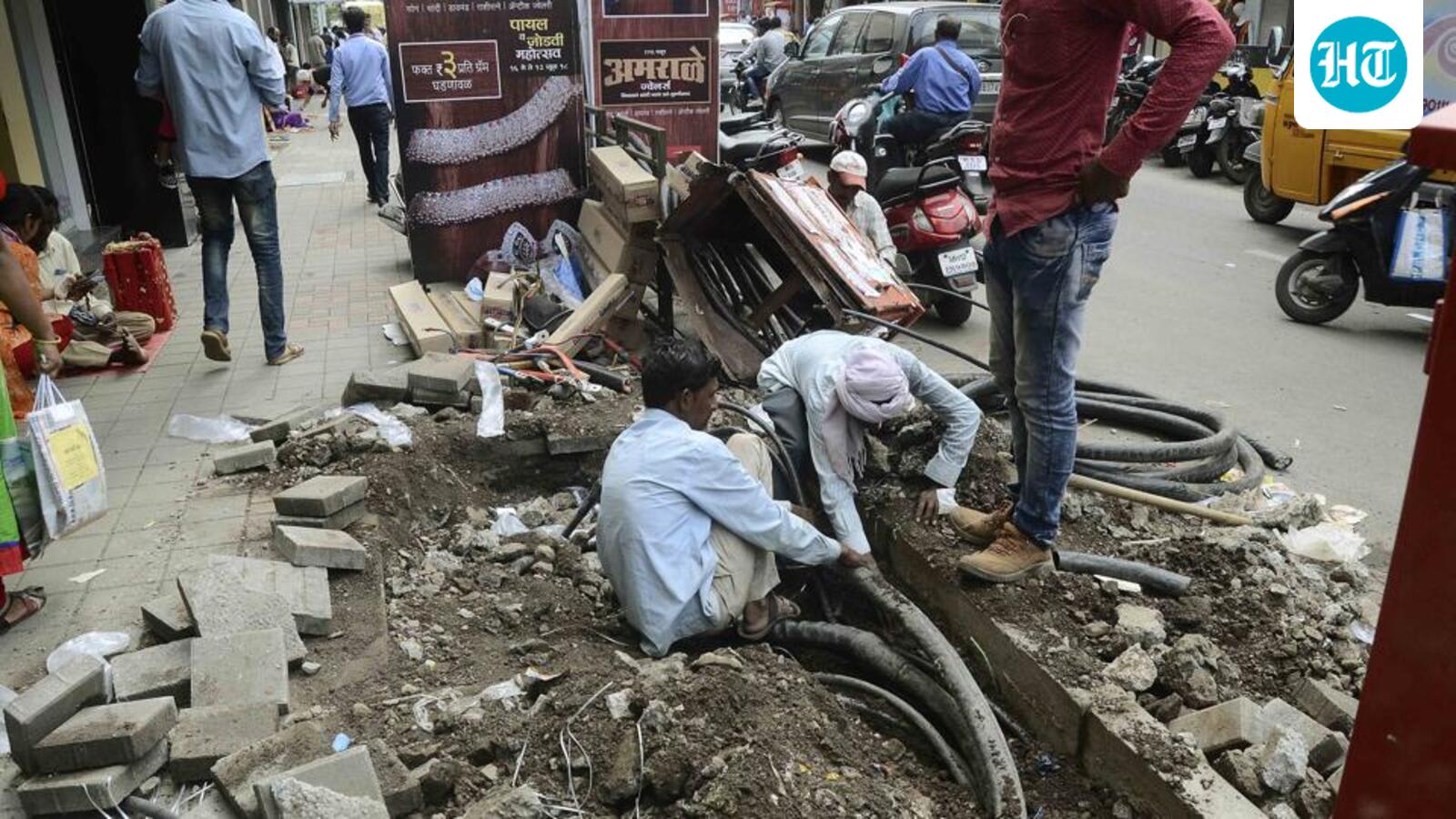
The BMC has launched the 'Pedestrian First' campaign to clear 68 km of footpaths from encroachments while simultaneously introducing a new trenching policy to reduce road-digging. These initiatives aim to improve urban mobility and accountability for utility agencies in Mumbai.
Reclaiming Mumbai's Sidewalks: The 'Pedestrian First' Initiative
The Brihanmumbai Municipal Corporation (BMC) has embarked on a significant urban renewal effort with its 'Pedestrian First' campaign. By clearing 68 kilometers of footpaths across 81 distinct stretches in just two weeks, the civic body is attempting to address the chronic issue of pedestrian safety in Mumbai. For years, residents have struggled with obstructed pathways, often forced to walk on busy vehicular roads due to illegal encroachments. This campaign marks a decisive shift toward prioritizing the fundamental right of way for citizens.
Enforcement and Urban Cleanup
The scale of the initial phase is substantial, targeting 200 footpaths for comprehensive restoration. Between August 1 and August 14, the BMC executed 337 eviction drives, which included the removal of illegal hawkers, unauthorized structures, and various obstructions like shop boards and street furniture. This aggressive enforcement strategy is essential for reclaiming public space, as these obstructions have historically contributed to traffic congestion and increased accident risks for pedestrians navigating the city's dense urban landscape.
Addressing the Infrastructure Paradox
Beyond reclaiming existing space, the BMC is tackling the root cause of degraded road quality through a new, stringent trenching policy. Historically, repetitive and uncoordinated excavation by utility agencies has led to the rapid deterioration of Mumbai's road network. By allowing utility agencies the option to reinstate dug-up roads themselves—rather than relying on third-party contractors—the BMC is fostering greater accountability and quality control in infrastructure maintenance.
A Shift Toward Integrated Governance
The introduction of a single-window system for trench permissions represents a modernization of municipal governance. By restricting trenching to two designated windows annually, the BMC aims to synchronize utility work, thereby preventing the 'dig-repair-dig' cycle that has plagued the city. This policy is not merely administrative; it is a strategic effort to minimize the disruption caused by utility projects and ensure that road surfaces remain durable and safe for longer periods.
Future Outlook and Urban Livability
The long-term success of these initiatives will depend on sustained enforcement and the cooperation of utility agencies. If these policies are strictly implemented, Mumbai could see a measurable improvement in both pedestrian safety and the lifecycle of its road assets. The integration of pedestrian-centric design with disciplined utility management serves as a blueprint for other rapidly densifying metropolitan areas in India, signaling a move toward more organized and livable urban environments.
Multiple Citing Sources
Verification Required?