India Nears Rs 70,000-Crore Submarine Deal With Germany, Key Meet Likely Soon
Source Entity
NDTV News Search Records Found 1000
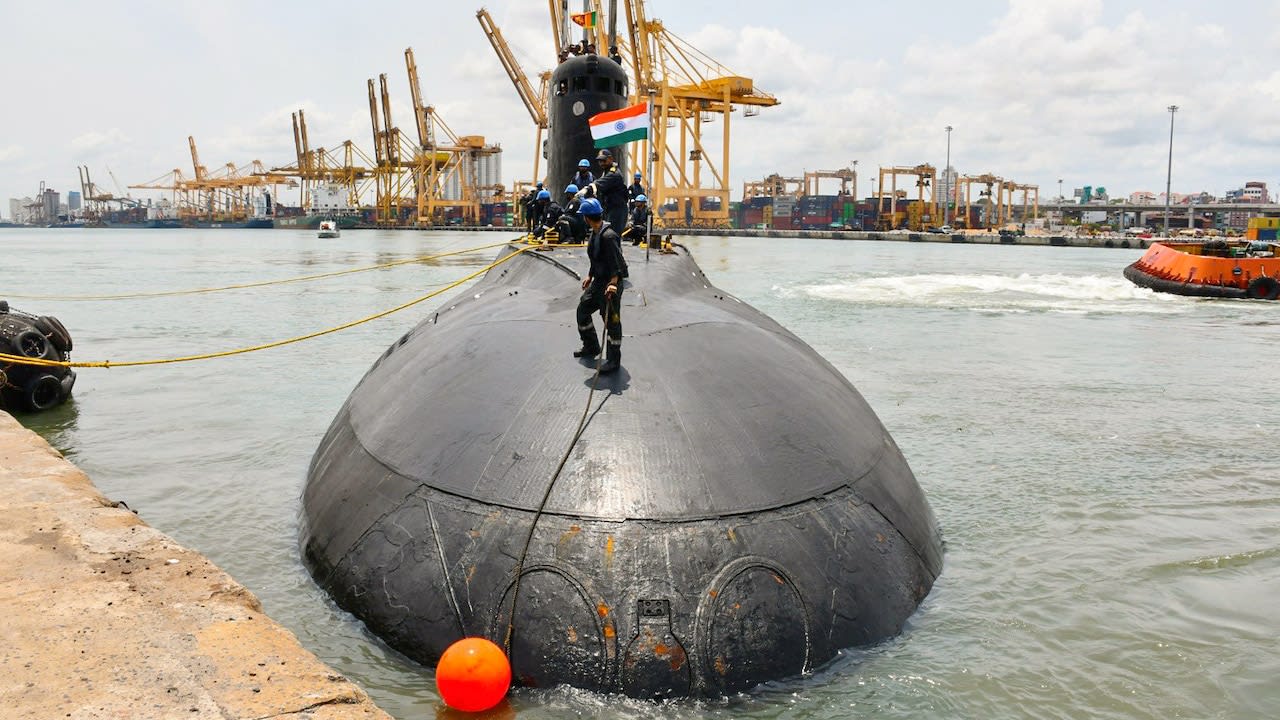
India is nearing a significant Rs 70,000-crore deal with Germany to bolster its submarine fleet. This procurement is essential as the Indian Navy currently faces a critical shortfall in conventional underwater capabilities.
Strengthening India’s Underwater Deterrence
India is currently navigating a pivotal phase in its maritime defense strategy as it nears a monumental Rs 70,000-crore deal with Germany to procure advanced conventional submarines. This strategic acquisition is designed to address the persistent and critical shortfall in the Indian Navy’s underwater combat capabilities. As the Indian Ocean region experiences heightened geopolitical competition, the necessity for a robust and modern submarine fleet has become an absolute priority for national security.
Addressing the Fleet Shortfall
The Indian Navy has long been grappling with a depletion in its conventional submarine fleet, a situation that impacts its ability to maintain a continuous presence in vital maritime corridors. The reliance on aging platforms has necessitated an urgent transition toward modern, silent, and technologically superior vessels. By engaging with German defense expertise, India aims to mitigate these operational gaps, ensuring that its naval forces remain capable of safeguarding its vast coastline and protecting its strategic interests against evolving underwater threats.
The Strategic Significance of the Deal
A deal of this magnitude represents more than just a procurement contract; it signifies a deepening of defense cooperation between India and Germany. The negotiations, which are expected to reach a key milestone in upcoming meetings, reflect a mutual commitment to enhancing regional stability through technological partnership. By integrating German engineering with the operational requirements of the Indian Navy, the project is poised to set a new benchmark for defense collaboration and indigenous manufacturing initiatives.
Implications for Regional Maritime Security
The broader implications of this submarine deal extend to the overall power balance within the Indo-Pacific region. As regional actors continue to modernize their navies, India’s move to expand its submarine fleet serves as a critical deterrent. A modernized fleet will provide the Indian Navy with enhanced intelligence, surveillance, and reconnaissance (ISR) capabilities, while also ensuring a credible second-strike capability that is essential for long-term maritime defense posture.
Navigating Procurement Challenges
Despite the clear strategic necessity, the path to finalizing this deal has been marked by delays, a common reality in complex, high-value defense acquisitions. Balancing budgetary constraints with the immediate need for technological upgrades requires meticulous planning and sustained political will. As officials prepare for the next round of high-level meetings, the focus remains on streamlining the procurement process to ensure that the navy receives these essential assets without further systemic interruptions.
Future Trends and Outlook
Looking ahead, the successful realization of this Rs 70,000-crore deal will likely serve as a catalyst for further defense modernization efforts. It underscores a shift toward more specialized, high-tech naval warfare platforms. As India continues to emphasize 'Atmanirbhar Bharat' (Self-Reliant India), the integration of foreign technology with domestic production capacity will remain a defining trend in the country's military evolution. The timely delivery of these submarines will be a critical factor in determining the future readiness of the Indian Navy in the coming decades.
Verification Required?