Boeing Identifies 737 MAX Software Glitch That Could Disrupt Navigation System
Source Entity
NDTV News Search Records Found 1000
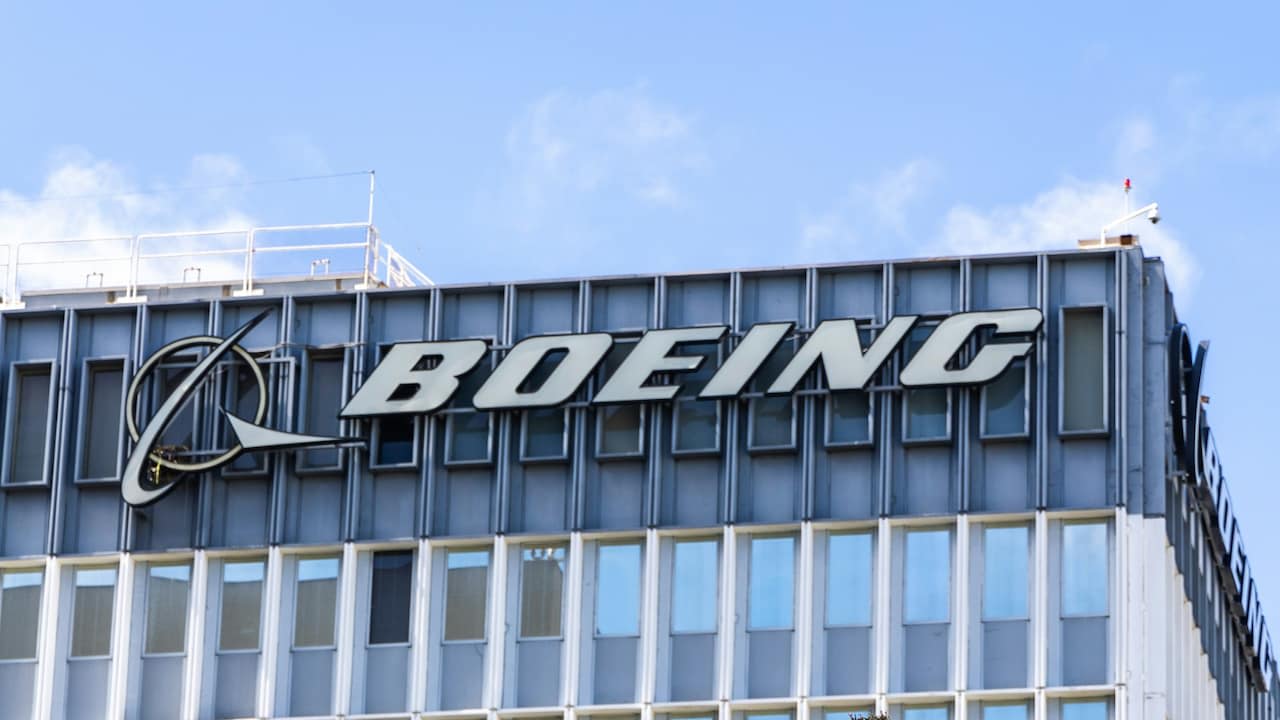
Boeing has identified a software glitch in some 737 Max aircraft that affects automated vertical navigation during specific missed approach scenarios. While the company is working on a permanent fix and emphasizes that the planes remain safe, the issue has drawn oversight from the FAA.
Boeing 737 Max Software Glitch: An Analysis of Technical Oversight
Boeing has recently identified a software anomaly affecting automated vertical navigation functions on certain 737 Max aircraft. This glitch specifically emerges during complex flight scenarios, namely after a pilot executes a missed approach and subsequently modifies the preprogrammed flight path. The company has clarified that this issue does not render the aircraft unsafe for operation, yet it necessitates that pilots follow reinforced procedures to maintain manual or semi-automated control during subsequent landing attempts.
The Mechanics of the Navigation Issue
The technical concern centers on how the aircraft's cockpit software interprets changes to flight path data following a go-around maneuver. When pilots alter the navigation route, the automated vertical navigation feature may experience a disconnect, potentially leaving the flight crew without the expected automated guidance during the following landing. Boeing has already notified operators of this behavior and is currently developing a permanent software update to rectify the underlying logic error.
Regulatory Oversight and Safety Assurance
The Federal Aviation Administration (FAA) is currently in the process of evaluating the documentation provided by Boeing. The agency has stated it will take immediate action if any safety concerns are identified, reflecting a heightened state of vigilance regarding the 737 Max program. The collaboration between Boeing and the FAA underscores the rigorous certification process required for the final models in the 737 Max family, which remains the cornerstone of Boeing’s commercial aviation strategy.
Contextualizing Within Recent History
This development occurs against a backdrop of intense scrutiny for Boeing, particularly following the January 2024 incident involving a door plug blowout on an Alaska Airlines 737 Max 9. While the current software glitch is distinct from structural manufacturing issues, it contributes to a narrative of recurring technical challenges for the manufacturer. The industry is watching closely to see how Boeing manages these software patches in a climate where public and regulatory trust is paramount.
Broader Implications for Aviation Technology
Modern commercial aviation relies heavily on integrated flight management systems. As aircraft become increasingly software-dependent, the complexity of these systems introduces new failure modes that require rapid identification and mitigation. The industry trend toward software-defined cockpits allows for greater efficiency but also demands a robust cycle of continuous updates and pilot training to ensure that automation remains a tool for safety rather than a source of potential confusion.
Future Outlook for the 737 Max Program
Moving forward, Boeing’s ability to deploy a permanent software fix will be a critical test of its engineering and quality management systems. The successful resolution of this glitch, alongside ongoing efforts to secure certification for the remaining 737 Max models, is essential for stabilizing the program's reputation. Stakeholders will be monitoring both the speed of the software rollout and the FAA’s final determination on whether additional operational restrictions are necessary.
Verification Required?