Banks to open this Sunday — Here's why, and what shuts next week
Source Entity
Latest News: Todays Latest News Headlines from India & World | Hindustan Times | Hindustan Times
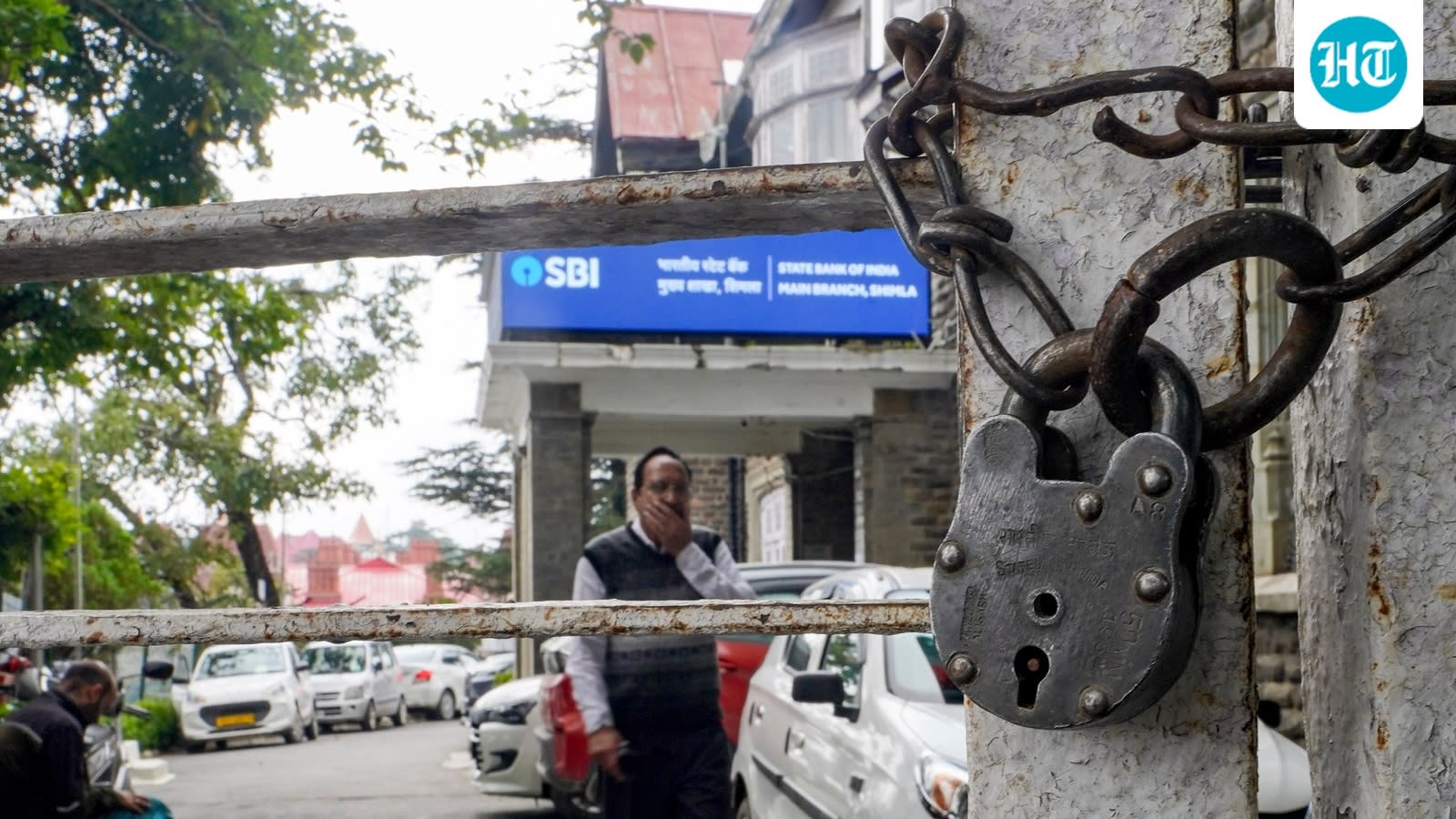
The Indian government has ordered public sector banks to remain open this Sunday, September 27, 2026, to mitigate disruptions from a three-day nationwide strike. The United Forum of Bank Unions (UFBU) is striking from September 28 to 30 to demand a transition to a five-day work week.
Banking Operations Adjustment Amid Impending Strike
In a significant move to ensure the continuity of essential financial services, the Indian Ministry of Finance has issued a directive requiring public sector and regional rural banks to remain operational this Sunday, September 27, 2026. This proactive measure serves as a buffer against a looming three-day nationwide strike organized by the United Forum of Bank Unions (UFBU), which is scheduled to commence on September 28 and conclude on September 30.
The Catalyst: UFBU Strike Demands
The root cause of this industrial action lies in the escalating tensions between bank employees and the government regarding workplace policies. The UFBU, representing a collective of banking unions, has initiated this strike primarily to advocate for the implementation of a five-day work week. This demand reflects a broader global trend in the banking sector toward improving work-life balance and operational efficiency, which the unions argue is long overdue in the Indian public banking framework.
Impact on Citizen Financial Services
With the strike spanning from September 28 to 30, and occurring immediately after the standard weekend holidays of September 26 and 27, the potential for a prolonged disruption in banking services is significant. By keeping banks open on Sunday, the government aims to alleviate the pressure on customers who would otherwise face a five-day blackout of physical banking services. This intervention is critical for businesses and individuals who rely on physical branch presence for transactions, credit processing, and document verification.
Historical Context and Labor Relations
Labor disputes within the Indian banking sector are not uncommon, as the industry faces constant pressure to modernize while managing a massive workforce. The request for a five-day work week has been a recurring theme in recent negotiations. The government’s decision to open banks on a Sunday underscores the essential nature of banking services in the national economy and the administration's desire to minimize the economic ripple effects of such labor-led disruptions.
Broader Economic Implications
Extended banking strikes often lead to a backlog in cheque clearing, delays in loan disbursals, and challenges for retail customers. As the banking sector undergoes digital transformation, the reliance on physical branches remains high for specific segments of the population, particularly in rural and semi-urban areas. Consequently, the government’s decision serves as a vital contingency plan to maintain public trust and financial stability during periods of labor unrest.
Future Trends in Banking Workforce Management
Looking forward, the outcome of this strike will likely influence future negotiations regarding bank employee welfare. The push for a five-day work week highlights the ongoing tension between traditional banking hours and modern labor expectations. As the sector continues to digitize, the need for strikes may diminish, but until such infrastructure is fully pervasive, managing the balance between employee demands and public service requirements will remain a core challenge for policymakers.
Verification Required?