Dil Chahta Hai’s to Animal: The loss of vulnerable men
Source Entity
Latest News: Todays Latest News Headlines from India & World | Hindustan Times | Hindustan Times
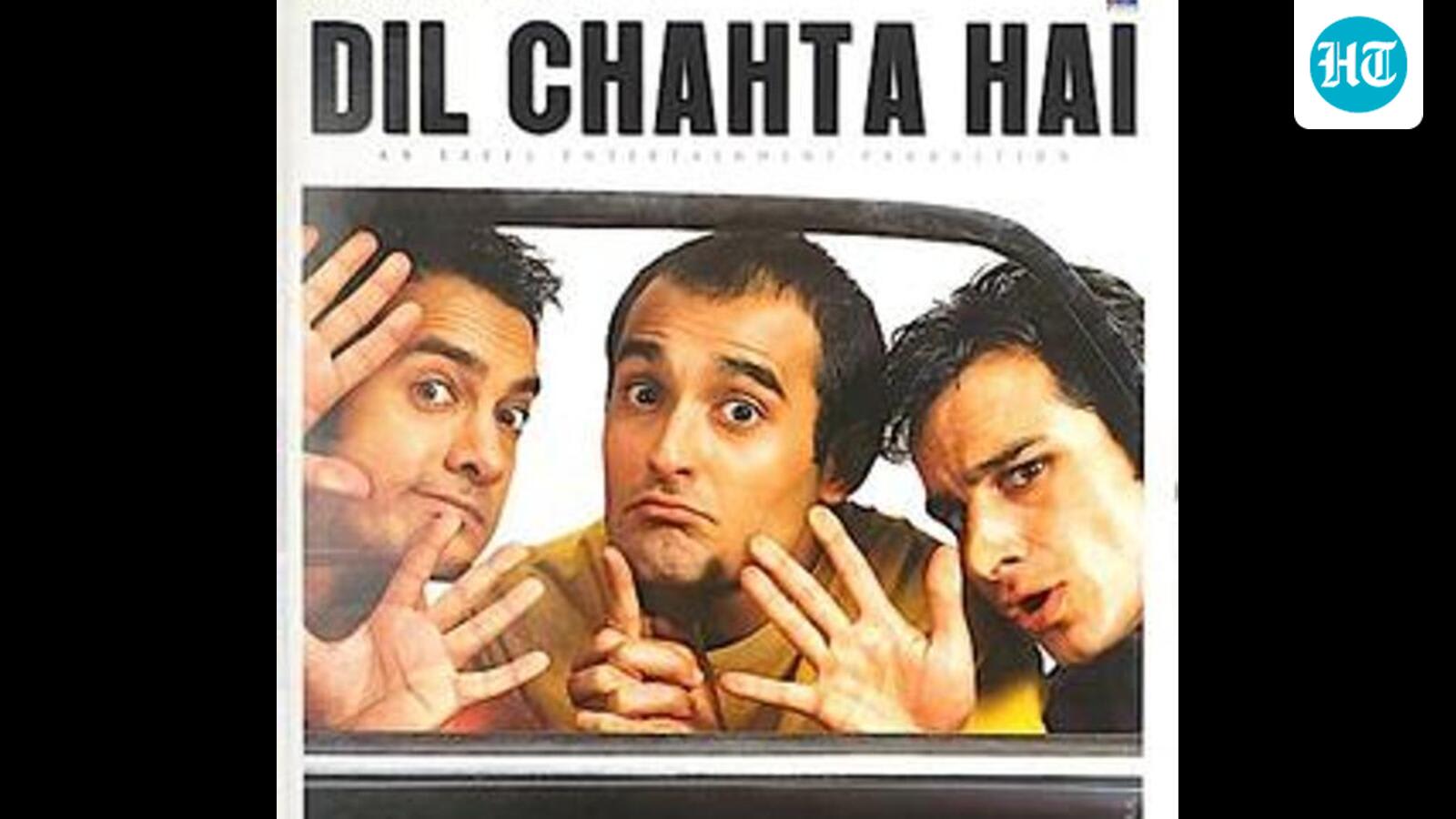
Recent cinematic trends in Bollywood show a polarized shift between empathy-driven narratives like 'Dil Chahta Hai' and more aggressive, hyper-masculine films like 'Animal'. This evolution reflects changing societal attitudes toward vulnerability, patriotism, and the representation of the 'other'.
The Evolution of Masculinity and Nationalism in Bollywood
The Vulnerability of the 'Dil Chahta Hai' Era
Farhan Akhtar’s 2001 landmark film Dil Chahta Hai remains a cultural touchstone for its portrayal of male friendship and emotional openness. By centering characters like Akash—who, despite his initial detachment, demonstrates genuine empathy when confronted with human tragedy—the film normalized male vulnerability. The scene where Akash is moved by an opera performance alongside Shalini serves as a poignant reminder that, in the early 2000s, Bollywood allowed its male protagonists the space to be sad, introspective, and disconnected from the rigid archetypes of the 'macho' hero.
The Rise of Toxic Masculinity
In stark contrast to the nuanced character development found in Dil Chahta Hai, recent commercial successes like Animal signify a regressive shift in the portrayal of men in Indian cinema. This modern trend often embraces a form of toxic masculinity, where aggression is prioritized over emotional intelligence. The transition from the 'vulnerable man' to the 'hyper-aggressive protagonist' marks a significant pivot in how Bollywood engages with its audience, suggesting that the industry is currently favoring conflict and dominance over the empathetic storytelling that defined the turn of the millennium.
Redefining the 'Enemy' in Patriotic Cinema
Beyond gender roles, Bollywood is undergoing a transformation in how it depicts geopolitical and communal conflicts. Films such as Main Vaapas Aaunga provide a necessary counter-narrative to the hyper-nationalistic tropes prevalent in recent blockbusters like the Dhurandhar franchise. While Dhurandhar leans into familiar binaries of hero and villain defined by national or religious borders, Main Vaapas Aaunga chooses a more humanistic path, refusing to engage in the stereotyping that often fuels real-world communal hatred and cross-border tensions.
The Cost of Polarization
These cinematic shifts carry profound societal implications. When films move away from nuance, they risk reinforcing the 'us versus them' mentality that has historically exacerbated communal wounds. By choosing to depict the human cost of separation—as seen in the pining of Keenu and Jiya—filmmakers can act as mediators rather than agitators. The success of such films suggests that audiences are still receptive to stories that prioritize shared humanity over inflammatory rhetoric.
Future Trends and Cultural Responsibility
Looking ahead, the tension between these two modes of storytelling—empathetic versus confrontational—will likely dictate the future of Indian cinema. As the market continues to globalize, the demand for complex, character-driven narratives that challenge rather than confirm existing biases will increase. The legacy of Dil Chahta Hai acts as a benchmark for what is possible when filmmakers trust their audience with emotional complexity, while the current popularity of aggressive tropes serves as a reminder of the industry's susceptibility to shifting cultural appetites.
Conclusion
Ultimately, the trajectory of Bollywood reflects the broader cultural struggle between introspection and aggression. Whether the industry continues to champion the vulnerable man and the nuanced border narrative or pivots toward a more divisive, hyper-masculine framework will depend on both creative choices and the evolving demands of the ticket-buying public. The balance between entertainment and social responsibility remains the defining challenge for contemporary Indian cinema.
Verification Required?