‘We were the last ones’: Abhay Verma on stepping into a MiG-21 for Operation Safed Sagar
Source Entity
The Indian Express
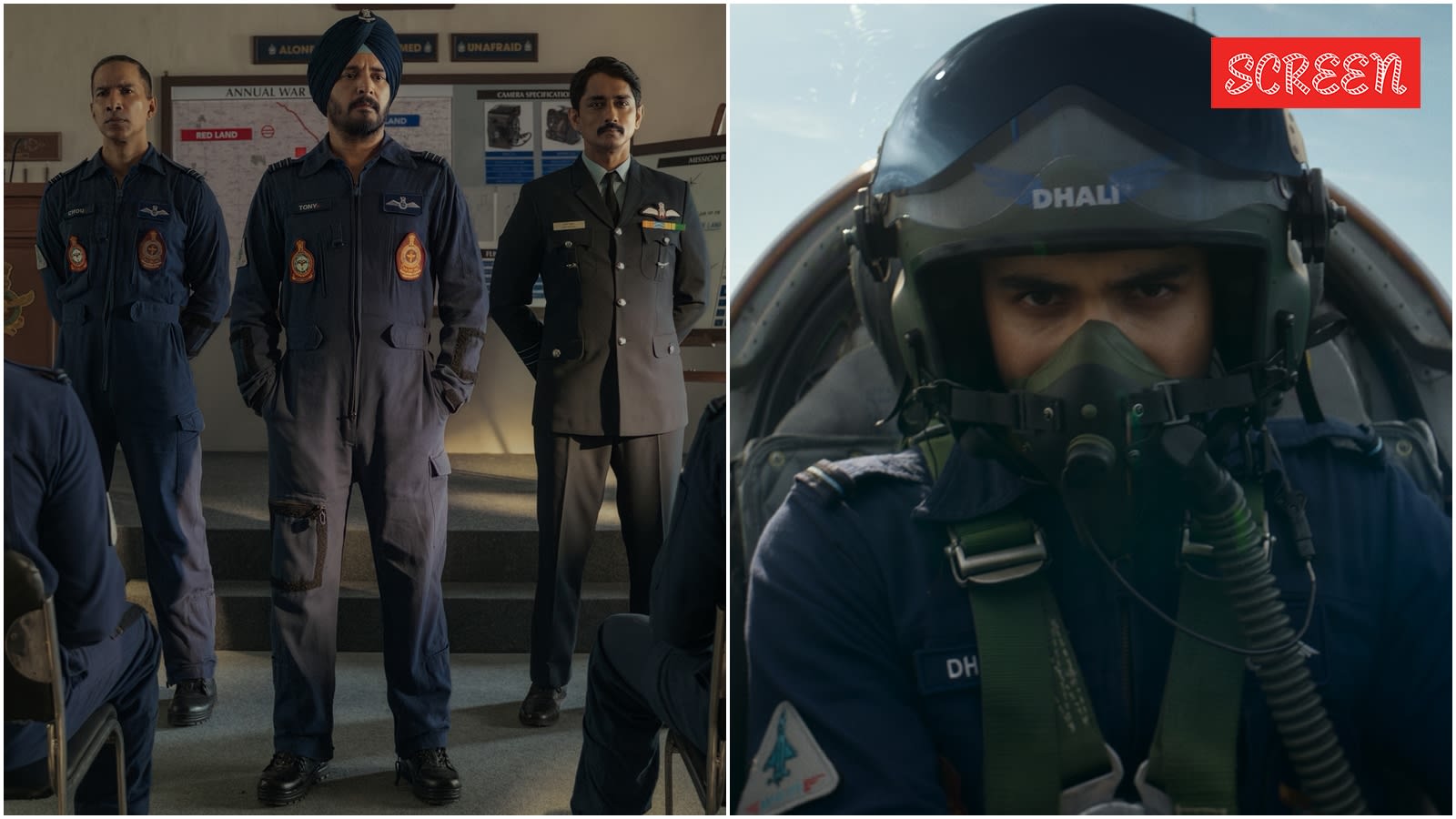
Oni Sen's Netflix series 'Operation Safed Sagar' has garnered critical acclaim for its portrayal of the 1999 Kargil War. The show features a stellar ensemble cast and depicts key historical figures from both India and Pakistan.
The Cinematic Reimagining of the 1999 Kargil Conflict
Oni Sen’s latest directorial venture, Operation Safed Sagar, currently streaming on Netflix, has emerged as a significant piece of period drama that revisits the geopolitical tensions of the 1999 Kargil War. By blending historical gravitas with high-stakes storytelling, the series has received widespread acclaim, drawing attention not only for its primary cast—featuring Siddharth, Jimmy Shergill, Dia Mirza, Amrita Bagchi, Abhay Verma, Mihir Ahuja, Prajakta Koli, Taaruk Raina, and Adil Hussain—but also for its rigorous commitment to character authenticity.
Bringing History to the Screen
The series distinguishes itself by casting actors to portray real-life political and military figures who defined the late 90s. The narrative includes high-profile portrayals such as Manu Rishi Chadha stepping into the role of then-Pakistan Chief of Staff (and later President) Pervez Musharraf, and Vinay Pathak essaying the role of then-Prime Minister Nawaz Sharif. By centering these figures, the show provides a dual-perspective look at the conflict that transpired across the Line of Control (LoC), grounding the dramatization in the political realities of the era.
Behind the Scenes: Challenges and Realizations
Beyond the political intrigue, the production of Operation Safed Sagar was a physically demanding endeavor for its cast. During an appearance on The Great Indian Kapil Show, actor Abhay Verma, who portrays Flying Officer Rajpal Singh Dhaliwal (nicknamed 'Dhali'), shared insights into the arduous filming conditions. Verma noted that the project allowed him to witness the stark, diverse beauty of India firsthand, moving from experiencing snow for the first time to enduring extreme heat, reflecting the logistical challenges of capturing the rugged terrain where the Kargil War was fought.
The Importance of Casting and Legacy
The production also highlights the industry’s ongoing fascination with historical casting. Notably, the legacy of portraying Atal Bihari Vajpayee—the Prime Minister of India during the Kargil conflict—continues to be a subject of interest, with veteran actor Aanjjan Srivastav having portrayed the statesman in two separate films. This reflects a broader trend in Indian cinema to cast seasoned performers who can capture the specific cadence and gravitas of iconic political leaders, ensuring that the historical weight of the narrative remains intact.
Broader Implications and Future Trends
Operation Safed Sagar represents a growing trend in Indian streaming content: the high-budget military drama that balances action with historical education. By focusing on the human element—the soldiers on the ground and the politicians in the war rooms—the series bridges the gap between historical documentary and mainstream entertainment. As audiences continue to show an appetite for stories rooted in national history, we can expect more productions to invest heavily in authentic set design and character-driven narratives that honor the complexities of past conflicts.
Conclusion
Ultimately, Operation Safed Sagar succeeds by weaving together a complex tapestry of historical events, demanding production standards, and nuanced performances. By honoring the experiences of those involved in the Kargil War and utilizing a cast capable of embodying the gravity of the 1999 conflict, the series has cemented its place as a notable addition to the genre of modern Indian historical drama.