Maharashtra FDA suspends licences of two online food delivery facilities
Source Entity
India Latest News: Top National Headlines Today & Breaking News | The Hindu
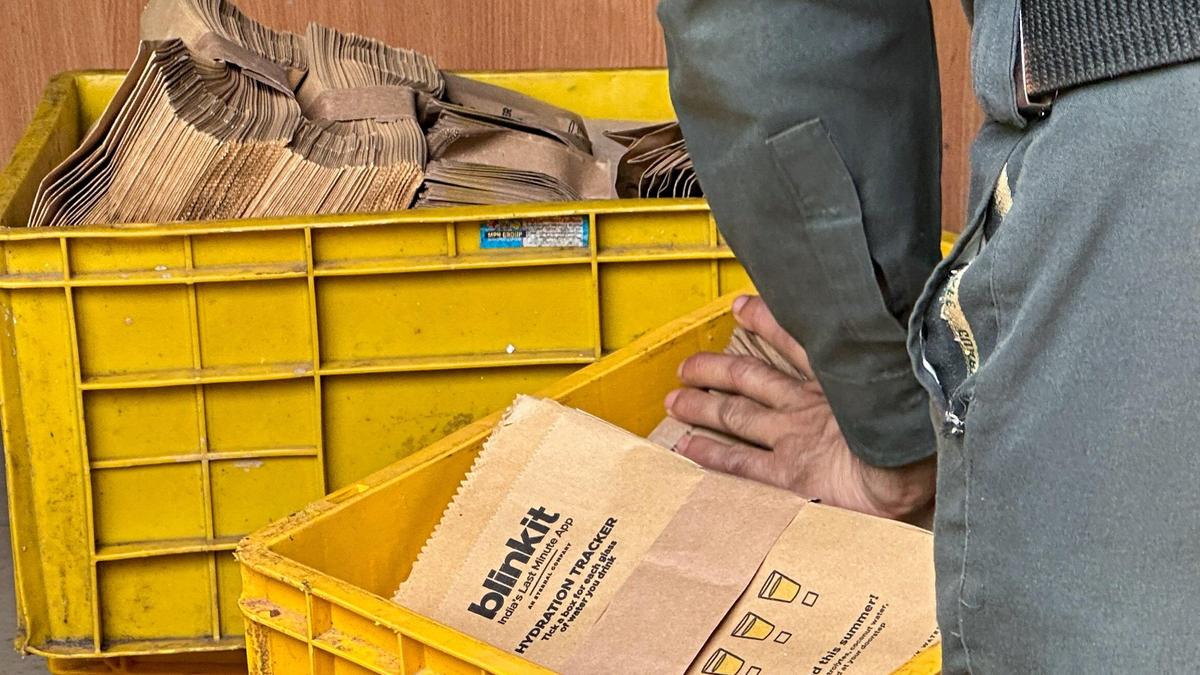
The Bombay High Court recently fined the Maharashtra FDA ₹5 lakh for overzealous license suspensions, while the agency continues a separate crackdown on quick-commerce platforms for safety violations. The tension highlights a conflict between regulatory public health mandates and the protection of business operations.
Regulatory Overreach vs. Public Health: The Maharashtra FDA Conflict
The Bombay High Court’s Intervention
In a significant legal development on August 17, 2026, the Bombay High Court issued a stern rebuke to the Maharashtra Food and Drug Administration (FDA). The court directed the state regulator to pay ₹5 lakh in compensation to Gurunanak Dairy and Sweets, a Pune-based establishment that had suffered substantial financial losses due to a prolonged license suspension. Despite the shop achieving a 98% compliance report, the FDA maintained the suspension, prompting the court to label the regulator's approach as "strange" and "perverse."
The Legal and Operational Friction
Acting Chief Justice Ravindra Ghuge and Justice Gautam Ankhad emphasized that while the FDA's objective to ensure food safety is laudable, the methods employed are "going overboard." This ruling underscores a growing friction between state regulatory bodies and the business community. For the affected dairy, the suspension resulted in a loss of ₹8.74 lakh in revenue since June, highlighting how administrative procedural delays can cripple small and medium enterprises even when they are actively working toward compliance.
FDA’s Stance on Enforcement
Maharashtra FDA Commissioner Tukaram Mundhe has maintained a firm stance, asserting that all actions taken by the department are rooted in public health concerns and strictly follow established legal processes. In response to the court's order, Mundhe indicated that the department would examine the judgment before formulating a formal response, reiterating that the agency operates within the bounds of the law to protect consumer safety.
Expanding the Crackdown: Quick-Commerce Under Scrutiny
Simultaneously, the FDA has intensified its oversight of the booming quick-commerce sector. Following the Pune sweet shop controversy, the agency suspended the licenses of Blinkit facilities in Chhatrapati Sambhajinagar and a Zepto facility in Mumbai’s Chembur. Inspections revealed critical lapses, including cold-chain failures, the presence of expired goods, poor hygiene standards, and inadequate traceability records. These actions demonstrate the FDA's commitment to enforcing strict safety protocols across modern retail delivery models.
The Tobacco Prohibitions and Broader Implications
Beyond hygiene, the FDA has uncovered illicit practices such as the sale of tobacco products alongside food items at a facility in Satara. The discovery of cigarette brands like Wills, Classic, and Marlboro within food storage premises highlights a clear violation of retail regulations that prohibit the co-mingling of tobacco and food products. This multi-pronged enforcement strategy suggests that the FDA is pivoting toward a more aggressive, inspection-heavy model to curb widespread non-compliance in the state's food supply chain.
Future Trends and Judicial Balance
Looking ahead, this tension between the FDA and private businesses is likely to evolve into a broader judicial conversation regarding the proportionality of regulatory punishment. While the state possesses a mandate to safeguard public health, the judiciary has signaled that it will not tolerate administrative processes that ignore compliance achievements or inflict unnecessary economic hardship. Future interactions between the FDA and commercial entities will likely require more transparent, evidence-based communication to prevent further litigation and ensure that public health goals do not overshadow the economic viability of law-abiding businesses.
Multiple Citing Sources
Verification Required?