Behind bail denial to Noida protesters: NSA invoked, book, articles cited
Source Entity
Drishti Jain, Kaunain Sheriff M
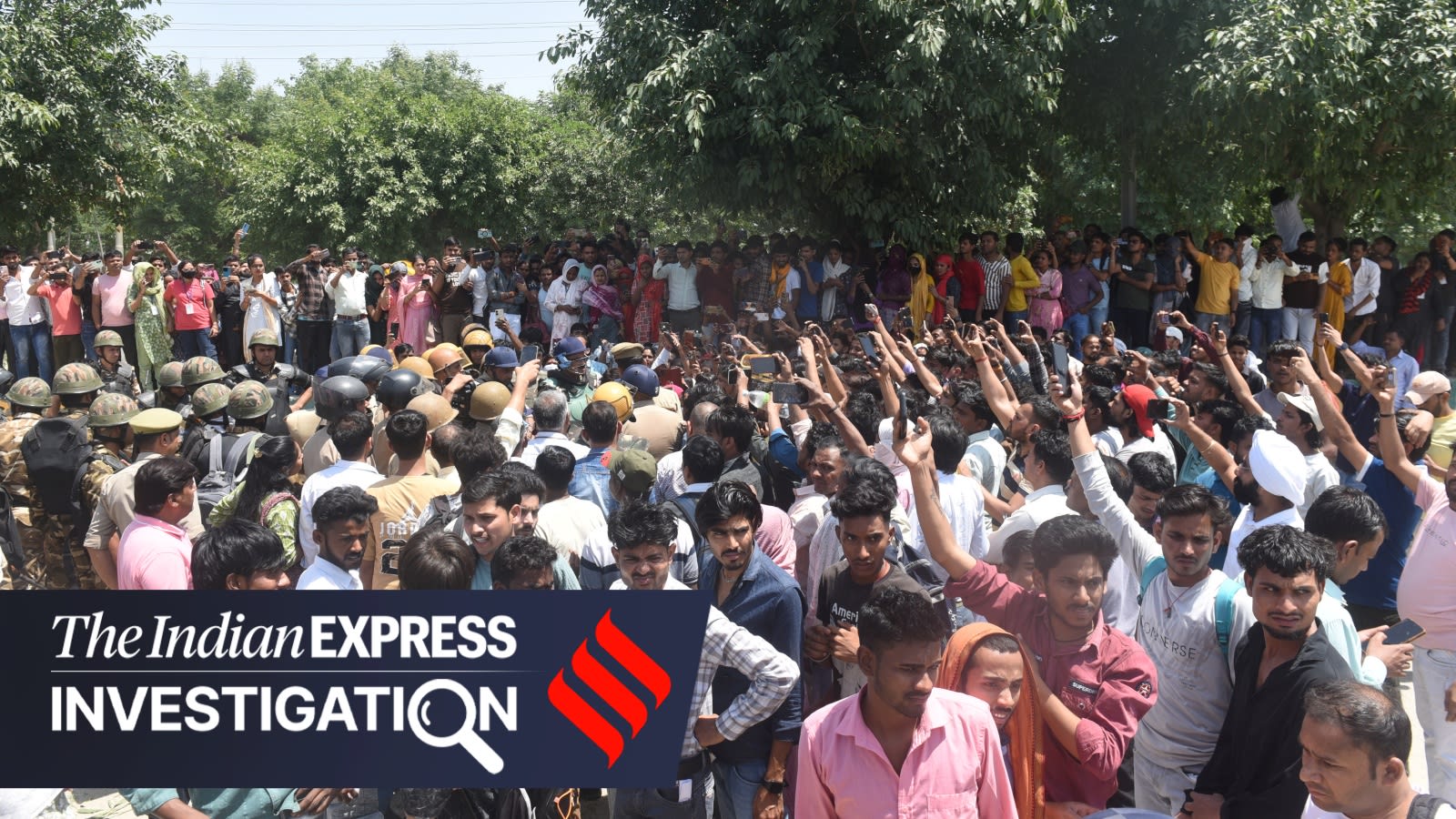
Noida factory workers protesting for higher wages faced a harsh crackdown, with many detained and some denied bail under the National Security Act. While most eventually secured bail, the process left families in debt and highlights a stark contrast in the state's handling of different protest movements.
The Noida Labor Protests: A Tale of Two Realities
The recent labor protests in Noida, Gautam Buddh Nagar, have spotlighted a deepening divide in how public dissent is managed and perceived in India. While factory workers mobilized in April to demand equitable wage hikes, the response from local authorities was characterized by a severe crackdown. Unlike other high-profile protests where government assurances led to the withdrawal of cases, the Noida workers faced mass detentions, with nearly 200 individuals taken into custody as the situation escalated.
The Disparity in Judicial Outcomes
An investigation into 222 bail orders across seven major FIRs reveals a complex legal landscape. While approximately 80% of those arrested successfully secured bail—often because courts found insufficient evidence or deemed mere presence at a protest site inadequate for criminal prosecution—a significant minority remains incarcerated. For these individuals, the legal battle is far from over, as they face severe charges ranging from rioting to attempted murder, complicating their path to freedom.
The Invocation of the National Security Act
Perhaps the most alarming aspect of the state’s response is the utilization of the National Security Act (NSA). This draconian law, which allows for detention without trial for up to one year, has been applied to specific individuals, including activists, a former journalist, and a Delhi University graduate. The criteria for these detentions appear to extend beyond the protest itself, with authorities citing reading materials, WhatsApp messages, and participation in unrelated historical movements like the Gaza or NRC protests as evidence of a broader conspiracy. The use of inflammatory terminology like “andolanjeevi” by police reflects a hardening stance against organized dissent.
The Economic Toll on Families
Beyond the courtroom, the human cost of these protests is staggering. Families of the arrested workers have been forced into cycles of debt to cover legal fees, court visits, and jail-related expenses. Many of those who have been released remain in a state of perpetual fear, hesitant to leave their homes or seek employment for risk of further police intervention. This lingering trauma underscores the long-term socioeconomic impact of the state’s aggressive policing strategy on the local labor force.
A Contrast in Political Response
This situation stands in sharp contrast to other recent protests, such as the Jantar Mantar demonstrations regarding exam security, which resulted in ministerial resignations and the dropping of police cases. The Noida workers, despite eventually achieving their goal of a wage hike on April 14, did not receive the same leniency. This dichotomy suggests that the treatment of protesters in India is highly variable, often depending on the nature of the protest and the political optics surrounding the movement.
Future Trends in Labor Dissent
The Noida case serves as a critical indicator for future labor relations in industrial hubs. As workers continue to demand fair compensation in the face of inflation, the reliance on severe security laws to suppress collective bargaining may lead to a chilling effect on democratic expression. Moving forward, the tension between the judiciary’s role in protecting individual liberties and the state’s insistence on maintaining law and order through preventive detention will remain a central point of conflict in India’s evolving political landscape.