Bombay HC rules community health volunteers entitled to minimum wage
Source Entity
India Latest News: Top National Headlines Today & Breaking News | The Hindu
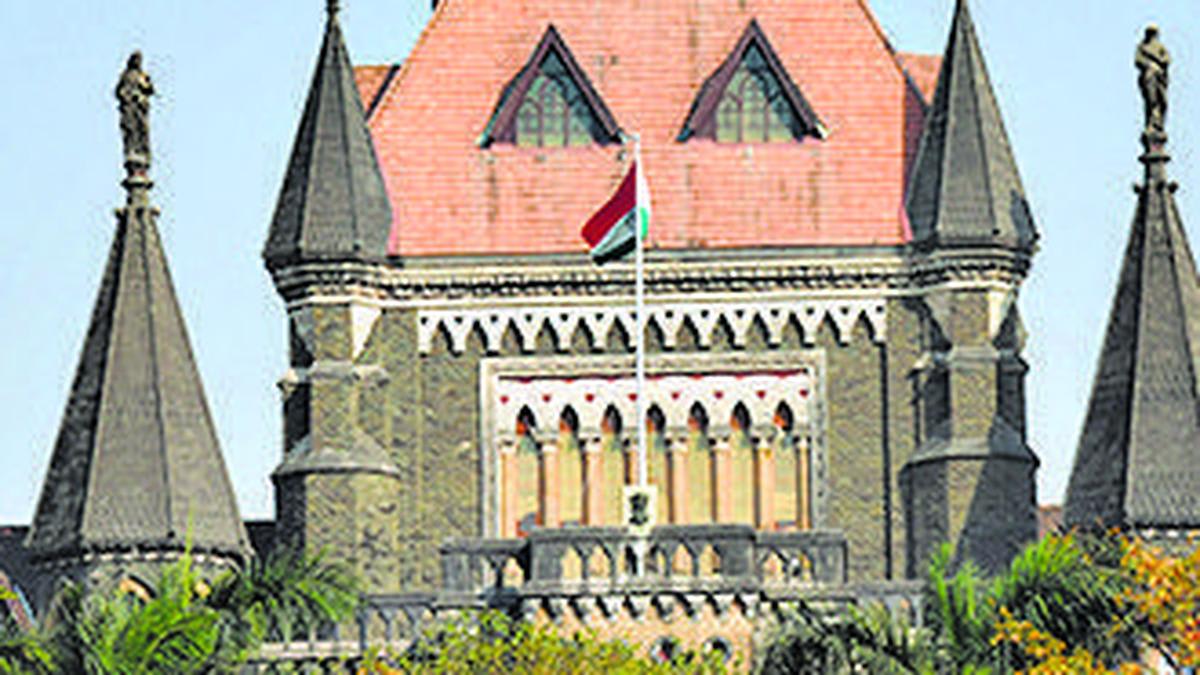
The Bombay High Court has upheld a ruling that community health volunteers are entitled to minimum wages, dismissing the BMC's challenge. The court determined that these workers perform duties equivalent to municipal employees, mandating the payment of statutory wage differences.
Legal Victory for Community Health Volunteers
In a landmark decision delivered on August 14, 2026, the Bombay High Court dismissed petitions filed by the Brihanmumbai Municipal Corporation (BMC), effectively upholding a 2020 order from the Assistant Labour Commissioner. This ruling confirms that community health volunteers, despite their nomenclature, are legally entitled to the statutory minimum wage as defined under the Minimum Wages Act, 1948.
Redefining the 'Volunteer' Classification
The core of the legal dispute rested on the BMC’s attempt to categorize these workers as "swayamsevaks" (volunteers) to avoid the fiscal obligations associated with formal employment. However, the High Court scrutinized the operational reality of these workers. By identifying that they perform public health duties, adhere to fixed working hours, maintain attendance records, and operate under the direct supervision of medical staff, the court effectively pierced the corporate veil of the designation, ruling that their functions are indistinguishable from those of regular municipal employees.
Implications for Labor Rights in India
This judgment carries significant weight for labor jurisprudence in India, particularly regarding the informalization of public service roles. By enforcing the Minimum Wages Act, the judiciary has signaled that titles do not override the actual nature of the work performed. This serves as a critical check against the practice of classifying essential service workers as volunteers to bypass labor laws, potentially setting a precedent for similar cases involving community-based service providers across the country.
The Financial and Administrative Burden
The court’s directive requires the BMC to calculate and pay the difference between the existing honorarium previously provided to these workers and the statutory minimum wage notified by the government. This represents a significant budgetary shift for the municipal corporation, which had spent years contesting the original 2020 order. The decision underscores the necessity for public bodies to align their internal compensation structures with national labor standards to avoid prolonged and costly litigation.
The Role of Labor Advocacy
The victory has been bolstered by the persistent advocacy of groups like the All India United Trade Union Centre (AIUTUC), which has been vocal in demanding the immediate implementation of the revised wages. The court's decision validates these collective efforts, highlighting the power of organized labor in securing fair treatment for workers who occupy the precarious space between civic engagement and state employment.
Future Outlook for Municipal Governance
Moving forward, this ruling is likely to force a reassessment of how municipal corporations across India manage their health auxiliary staff. As public health becomes an increasingly vital pillar of urban infrastructure, the demand for equitable pay for those at the front lines of service delivery will likely intensify. The Bombay High Court has established a clear legal boundary: when the state extracts labor that mirrors formal employment, it must provide the compensation mandated by law.
Verification Required?