Trump taken to Walter Reed Hospital today? Fact-checking viral claim
Source Entity
Latest News: Todays Latest News Headlines from India & World | Hindustan Times | Hindustan Times
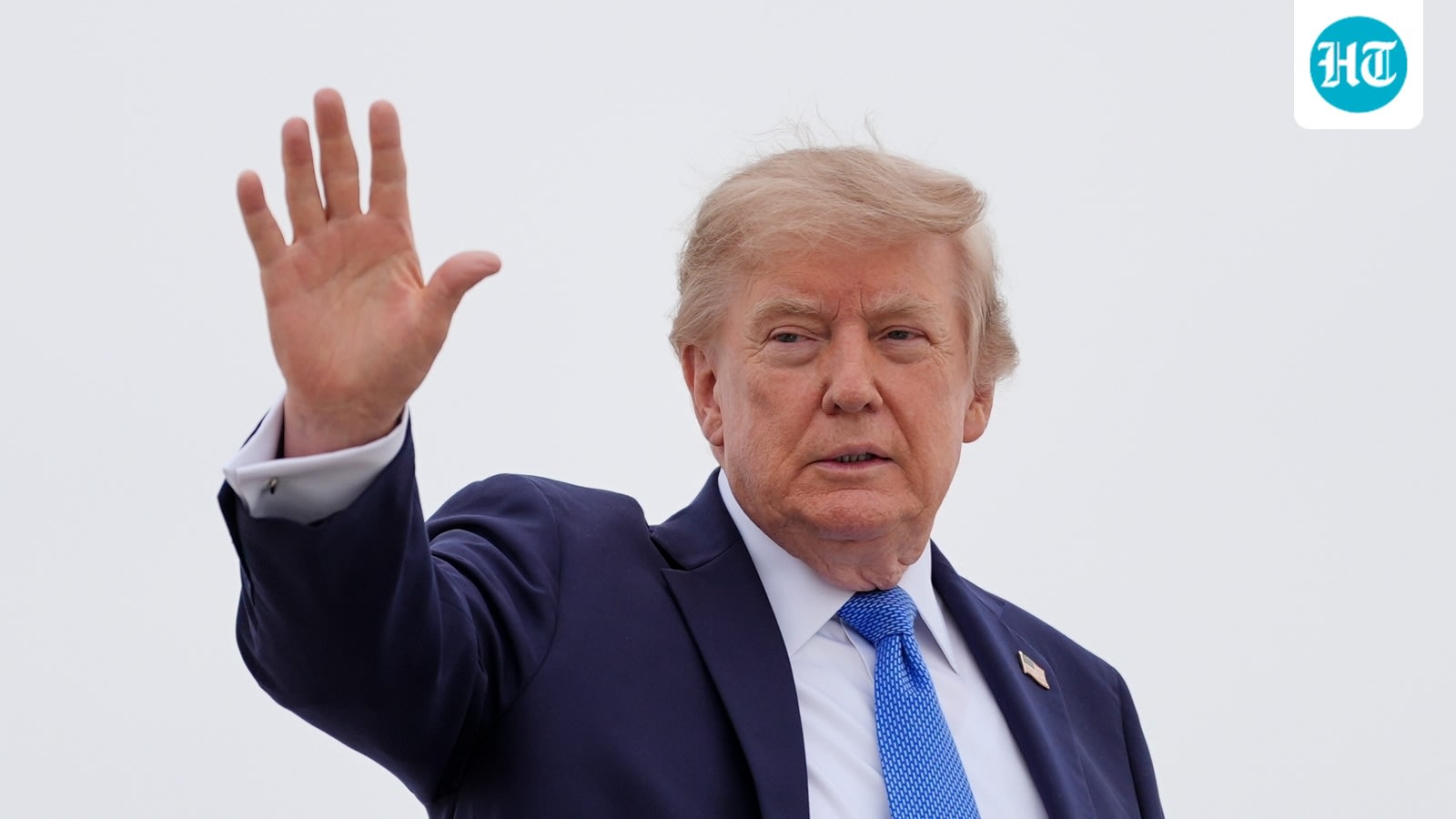
Recent viral social media claims alleging that Donald Trump was rushed to Walter Reed Hospital are entirely false. These rumors, bolstered by AI-generated imagery, have been debunked as fabricated misinformation.
The Anatomy of a Digital Hoax: Investigating the Walter Reed Rumors
The Rise of Synthetic Misinformation
Recent social media activity has seen a surge in fabricated reports claiming that Donald Trump was rushed to Walter Reed National Military Medical Center. These claims, which have circulated primarily on platforms like Facebook, are entirely unfounded. The most sophisticated iteration of this disinformation campaign involved the deployment of an AI-generated video, which depicted bodyguards purportedly carrying the 80-year-old former president near the medical facility. This incident underscores a growing trend where synthetic media is weaponized to create an illusion of reality, aimed at manipulating public perception and triggering alarm regarding the health status of high-profile political figures.
Fact-Checking the Fabricated Narrative
Upon rigorous investigation, it is clear that no credible evidence supports the assertion that Trump was admitted to Walter Reed. The viral posts lack any corroboration from reputable news outlets, official White House statements, or independent medical verifications. While the public often seeks transparency regarding the health of political leaders, this specific instance serves as a stark example of how bad-faith actors exploit the gap between genuine public interest and the lack of real-time information to distribute malicious falsehoods.
Contextualizing Medical Transparency
Public speculation regarding Trump’s health is not entirely without historical context. In May, Trump underwent a legitimate medical evaluation at Walter Reed National Military Medical Center, overseen by his physician, Navy Capt. Sean Conley. However, even following that official event, some outside medical professionals expressed skepticism, questioning whether the information released by the administration provided a comprehensive or transparent picture of his physical state. This existing atmosphere of doubt creates a fertile ground for rumors, as the public is conditioned to look for hidden health narratives.
The Intersection of Skepticism and Viral Falsehoods
It is important to distinguish between legitimate medical scrutiny and the propagation of blatant fabrications. While questioning the completeness of official health disclosures is a standard component of political discourse, the jump from legitimate curiosity to the creation of deepfake imagery marks a significant escalation in the tactics used to destabilize political discourse. The viral nature of the Walter Reed rumor demonstrates how easily misinformation can bypass critical thinking barriers when it aligns with pre-existing concerns about aging political leaders.
Protecting the Information Ecosystem
As we move further into an era dominated by generative AI, the ability for the average user to discern between authentic reporting and manufactured content is under constant threat. The Walter Reed hoax serves as a reminder that institutional trust is fragile. Moving forward, it is essential for the public to rely exclusively on verified, primary-source information from established medical facilities and official channels when assessing the status of political figures, rather than falling prey to sensationalized social media content designed to mimic reality.
Conclusion
The claims surrounding Donald Trump’s alleged emergency hospitalization are categorically false. By utilizing AI-generated media to bypass traditional skepticism, bad actors have attempted to turn the legitimate public interest in a president’s health into a tool for disinformation. Maintaining a commitment to verified facts and rejecting uncorroborated social media narratives remains the only way to safeguard the integrity of political discourse in the digital age.
Verification Required?