Singapore-style littering fines for Mumbai? HC pushes civic body to make tougher rules
Source Entity
Omkar Gokhale
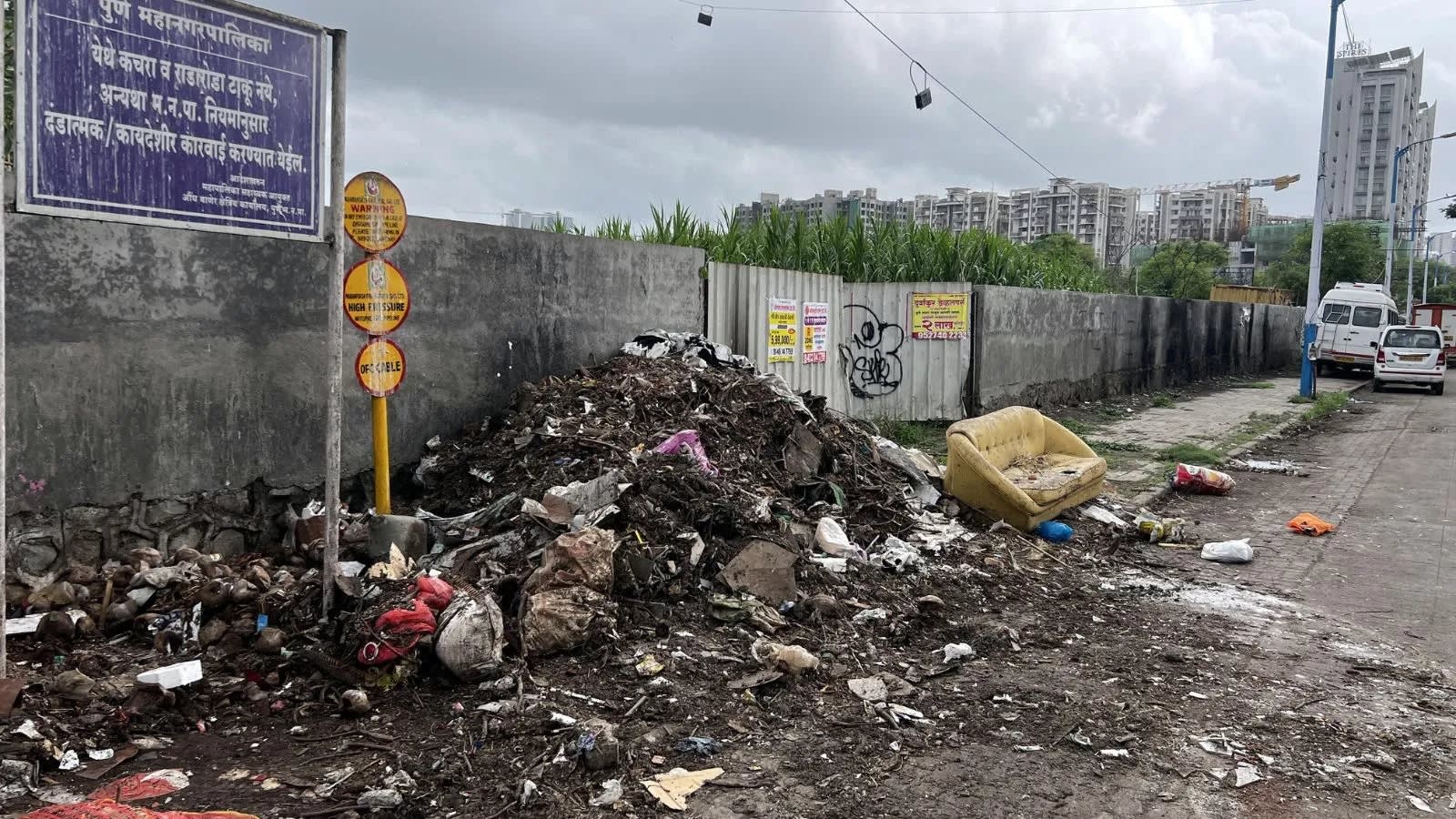
The Bombay High Court has directed the Maharashtra government to implement strict, Singapore-style anti-littering laws to combat rampant garbage dumping. The court emphasized the need for stringent enforcement and suggested leveraging social media influencers to improve public sanitation awareness.
Mumbai's Sanitation Crisis: A Judicial Push for Reform
The Bombay High Court has issued a significant directive to the Maharashtra state government, calling for the implementation of stringent, Singapore-style anti-littering laws. This judicial intervention comes in response to the persistent issue of garbage dumping across major civic bodies, including Mumbai and Pune. The bench, led by Justices Girish S. Kulkarni and Neela K. Gokhale, highlighted that current measures are insufficient to deter "unruly citizens" who continue to disregard public sanitation standards, turning streets and beaches into dumping grounds.
The Singapore Model as a Benchmark
Singapore is globally renowned for its rigorous approach to public cleanliness, where heavy fines and strict enforcement have successfully maintained a pristine urban environment. By citing this model, the High Court is signaling that the current regulatory framework in Maharashtra is inadequate. The court’s insistence on a state-wide policy suggests that the problem is not isolated to one neighborhood but is a systemic failure that requires a uniform, high-stakes deterrent to curb the culture of illegal waste disposal.
Linking Landfills to Street Littering
Central to this discourse is the Kanjurmarg landfill site, which the court identified as being "intricately connected" to the broader issue of street and beach pollution. When official disposal sites are mismanaged or reach capacity, the overflow often manifests as illegal dumping in public spaces. The court’s focus on this connection underscores the reality that effective waste management is a dual-track effort: improving infrastructure at disposal sites while simultaneously curbing the public's propensity to dump waste in unauthorized areas.
The Role of Social Media in Behavioral Change
Beyond punitive measures, the court has introduced a modern approach to civic engagement by advising the municipal bodies to utilize social media influencers for cleanliness drives. This reflects an understanding that legislative changes alone are rarely enough to shift public behavior. By leveraging popular digital voices, the government aims to foster a culture of responsibility and pride in public spaces, potentially reaching younger demographics who are often at the forefront of digital trends.
Broader Implications and Future Trends
If the Maharashtra government successfully adopts these recommendations, it could signal a paradigm shift in how Indian cities manage urban waste. A successful pilot of these stricter fines could serve as a template for other metropolitan areas across India facing similar challenges. However, the efficacy of such laws will ultimately depend on the political will to enforce them consistently across all socio-economic strata, ensuring that the "stringent provisions" mentioned by the court do not remain merely symbolic.
Conclusion
The Bombay High Court’s observations serve as a stark warning regarding the state of public hygiene in urban centers. By demanding a blend of rigorous legal enforcement and innovative public advocacy, the court is pushing for a holistic solution. Whether this leads to a cleaner Mumbai will depend on the government's ability to translate these judicial observations into actionable, long-term policy that addresses both the structural failures of landfills and the behavioral patterns of the populace.