Pune ranks 12th in national clean air survey
Source Entity
Latest News: Todays Latest News Headlines from India & World | Hindustan Times | Hindustan Times
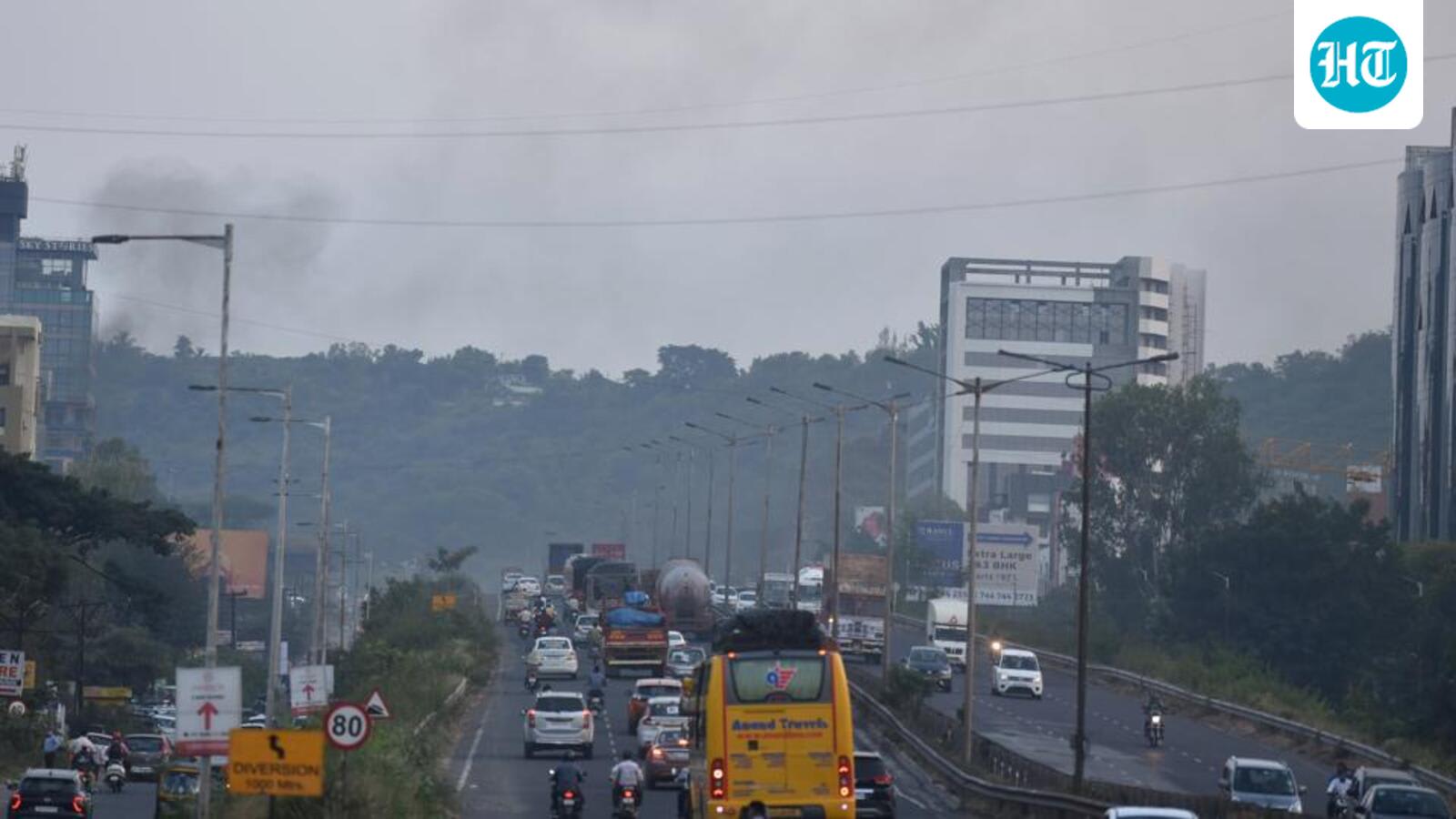
Pune has secured the 12th position in the national Swachh Vayu Sarvekshan 2026, scoring 183 out of 200 points. While this ranking highlights progress under the National Clean Air Programme, the city continues to grapple with significant pollution challenges from construction and traffic.
Pune's Performance in the Swachh Vayu Sarvekshan 2026
Pune has officially secured the 12th position in the latest Swachh Vayu Sarvekshan 2026, a significant benchmark conducted under the Central Government’s National Clean Air Programme (NCAP). By achieving a score of 183 out of 200 in the category for cities with a population exceeding one million, the city has demonstrated a notable commitment to air quality management. This assessment serves as a critical metric for urban centers to evaluate their success in implementing pollution control measures amidst rapid urbanization.
Comparative Standing in Maharashtra
When analyzing the regional performance within Maharashtra, Pune’s ranking provides an interesting perspective on how different metropolitan areas are managing their environmental footprints. The state shows a mixed performance, with Thane leading the charge at seventh place, followed by Navi Mumbai at ninth and Nagpur at tenth. All three of these cities have outperformed Pune in the current survey. Meanwhile, Mumbai lags behind at the 28th position, suggesting that Pune occupies a middle-ground status among the state's major urban hubs in terms of air quality efficacy.
The Challenge of Rapid Urbanization
This 12th-place ranking is particularly noteworthy given the significant environmental pressures Pune faces. The city is currently navigating a period of intense growth, characterized by a rapidly expanding vehicle population and persistent traffic congestion. These factors are primary contributors to vehicular emissions, which remain a central hurdle for air quality improvement initiatives across India's tier-1 cities.
Infrastructure and Construction Pressures
Beyond vehicular traffic, the data highlights that Pune is contending with substantial challenges stemming from large-scale construction activities. The resulting road dust and particulate matter generated by continuous development projects create a complex environment for local authorities to manage. Balancing the need for rapid infrastructure expansion with the requirements of the NCAP is a delicate task that directly impacts the city's ability to climb higher in future iterations of the survey.
Future Outlook and Policy Implications
The Swachh Vayu Sarvekshan acts as more than just a ranking system; it serves as a policy feedback loop for municipal bodies. For Pune, scoring 183 out of 200 indicates that while current strategies are effective, there is still a 17-point gap to bridge to reach near-perfect compliance with national standards. Moving forward, the city will likely need to intensify its focus on dust mitigation techniques and traffic management to improve its standing relative to cities like Thane and Navi Mumbai.
Conclusion
In summary, Pune’s 12th-place finish is a testament to the city's ongoing efforts under the NCAP, yet it also underscores the reality of the environmental costs associated with metropolitan growth. As the city continues to evolve, the ability to address the root causes of pollution—namely construction dust and vehicular density—will determine whether it can break into the top tier of India's cleanest air cities in the coming years.
Verification Required?