PMC to replicate Aundh Road model in merged villages
Source Entity
Latest News: Todays Latest News Headlines from India & World | Hindustan Times | Hindustan Times
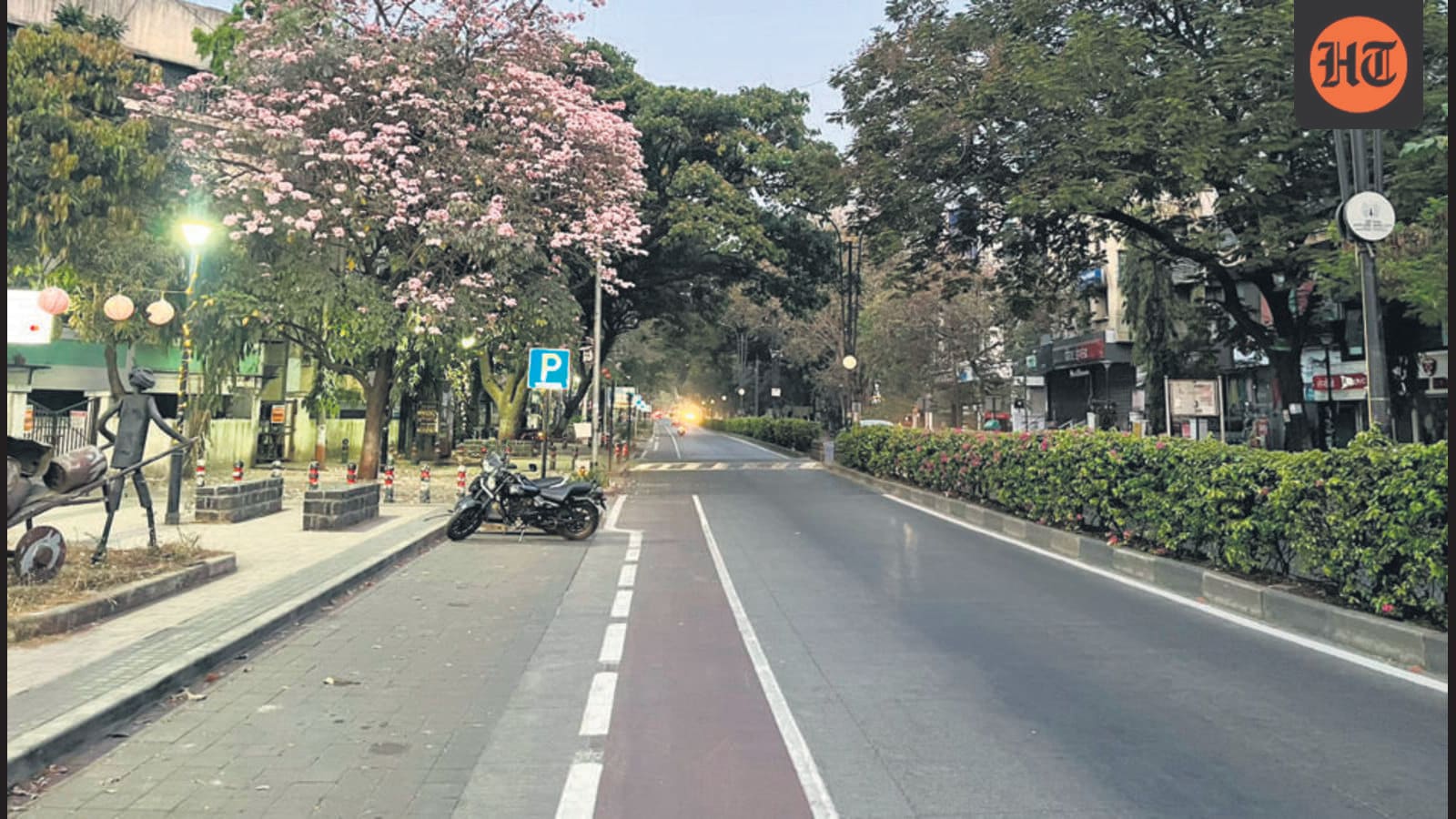
The Pune Municipal Corporation is expanding its successful Aundh DP Road smart-design model to newly merged villages. This initiative aims to standardize high-quality urban infrastructure based on recognized national standards.
Scaling Urban Excellence: PMC's Infrastructure Expansion
The Pune Municipal Corporation (PMC) has announced a strategic initiative to replicate the successful Aundh DP Road street design model across the various villages recently integrated into the municipal corporation's limits. This decision is rooted in the proven efficacy of the Aundh project, which gained significant national recognition for its innovative approach to urban mobility and public space management. By standardizing these design elements, the PMC aims to bridge the infrastructure gap between the established city core and the newly annexed peripheral regions.
The Proven Blueprint: Aundh DP Road
Developed as a pilot project under the national Smart Cities Mission in 2017, the Aundh DP Road project served as a testbed for modern urban design principles. Its success was not merely anecdotal; it earned formal validation through a comprehensive case study published in the September 2026 issue of Indian Highways, the technical journal of the Indian Roads Congress (IRC). The project was spearheaded by a team including project consultant Vikas Thakar and architect Professor Prasanna Desai, whose design philosophy prioritized pedestrian safety, organized traffic flow, and aesthetic integration.
Strategic Implications for Merged Villages
The integration of rural areas into the PMC jurisdiction presents a unique challenge: the need to rapidly upgrade infrastructure to meet urban density requirements. By applying a 'smart-design' framework—which includes optimized road geometry and multi-modal transit considerations—the PMC is attempting to prevent the haphazard development often associated with rapid urbanization. This systematic approach ensures that the new residents benefit from the same high standards of urban planning that have been vetted and praised at the national level.
Leveraging Expert Insights
The reliance on the IRC-validated Aundh model suggests a shift toward evidence-based policymaking within the PMC. By utilizing the academic and technical documentation provided by Thakar and Desai, the corporation is ensuring that the expansion is not based on arbitrary decisions but on established engineering principles. This methodology reduces the risk of project failure and ensures that the smart-design roads are resilient, functional, and aligned with national infrastructure standards.
Future Trends in Pune's Development
Looking forward, this project signals a broader trend of decentralized urban improvement. As Pune continues to expand, the PMC's commitment to replicating successful pilot projects suggests that future infrastructure development will likely follow modular, scalable design patterns. If successful, this initiative will likely serve as a secondary blueprint for other metropolitan bodies in India facing similar challenges of urban sprawl and the integration of peri-urban regions into municipal governance.
Conclusion
In summary, the PMC’s plan to export the Aundh DP Road design to its merged villages represents a mature approach to urban development. By anchoring their strategy in a nationally recognized, IRC-vetted model, the municipal authorities are prioritizing both quality and longevity. This initiative not only addresses the immediate necessity for better roads but also establishes a sustainable trajectory for the growth and modernization of Pune’s newly acquired territories.
Verification Required?