In Ambani home bomb scare case, two Bombay HC benches refuse to hear NIA’s appeal against Waze’s bail
Source Entity
Omkar Gokhale
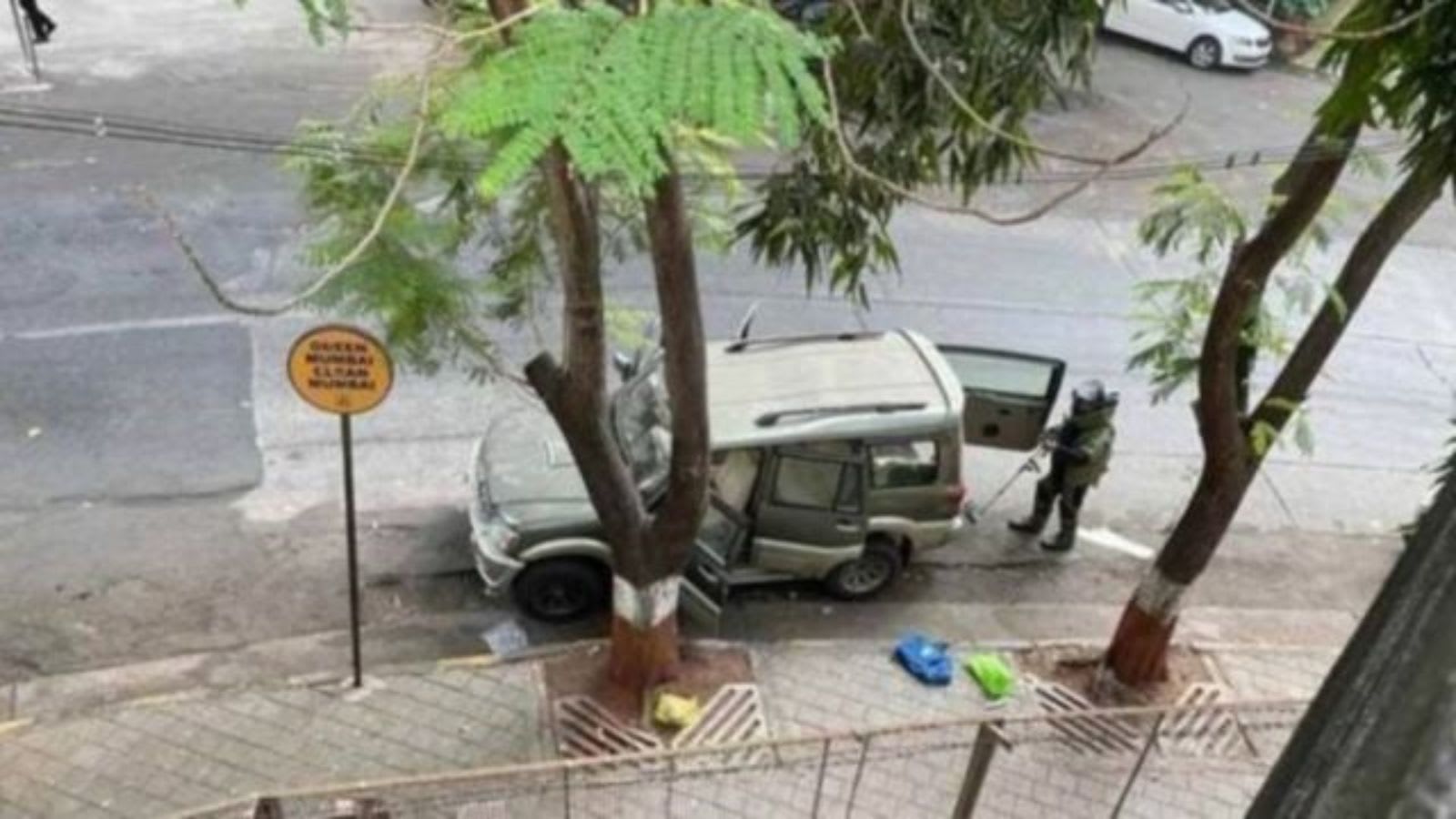
The Bombay High Court has stayed the bail granted to former police officer Sachin Waze regarding the 2021 Antilia bomb scare and Mansukh Hiran murder case. The NIA's appeal faced initial procedural delays due to multiple judicial recusals before being assigned to a bench for an October hearing.
The Antilia Bomb Scare: Judicial Hurdles in the NIA Appeal
A Complex Legal Saga
The legal proceedings surrounding the 2021 Antilia bomb scare case reached a new level of complexity this week as the Bombay High Court intervened to stay the bail of former police officer Sachin Waze. The case, which originated on February 25, 2021, when an explosive-laden vehicle was discovered near the residence of industrialist Mukesh Ambani, has remained a high-profile point of contention in India's criminal justice system. The recent developments highlight the significant procedural challenges faced by the National Investigation Agency (NIA) in its pursuit of this case.
The Pattern of Judicial Recusal
Following a special Mumbai court’s decision to grant bail to Waze, the NIA moved quickly to challenge the order in the Bombay High Court. However, the path to a hearing was far from straightforward. Multiple benches, including one comprising Justice Bharati Dangre and Justice Ashish Chavan, recused themselves from the matter. Judicial recusal, while a standard mechanism to ensure impartiality and maintain the integrity of the bench, created a notable delay in the proceedings, raising questions about the intersection of high-profile litigation and judicial availability.
The High Court Intervention
On Wednesday, September 30, 2026, the appeal finally reached a division bench of Justice Girish Kulkarni and Justice Neela Gokhale. Recognizing the gravity of the allegations, which include both the bomb scare and the subsequent murder of Mansukh Hiran, the bench acted decisively to stay the lower court’s bail order. By halting the release, the court effectively maintained the status quo, ensuring that Waze remains in custody at least until the matter is revisited on October 7.
Broader Implications for Law Enforcement
The case against Sachin Waze has been a litmus test for the effectiveness of federal investigative agencies in handling cases involving high-ranking police officials. The Antilia incident sent shockwaves through Mumbai, exposing deep-seated concerns regarding the alleged nexus between law enforcement and criminal elements. The NIA’s persistent efforts to challenge the bail underscore the agency’s commitment to securing a conviction in a case that continues to be a matter of significant public and national interest.
Future Trends and Judicial Scrutiny
As the High Court prepares for the substantive hearing on October 7, the focus will likely shift toward the evidentiary foundations of the bail order. The defense’s reliance on witness statements and the prosecution’s counter-arguments regarding the severity of the charges will dictate the outcome. This case serves as a reminder of the delicate balance the judiciary must maintain when weighing the rights of the accused against the state's interest in protecting public security and investigating high-stakes national threats.
Concluding Summary
In conclusion, the stay on Sachin Waze’s bail by the Bombay High Court represents a critical pause in a long-standing legal battle. By navigating through initial recusals to reach a decisive interim order, the court has ensured that the merits of the NIA's appeal will be heard in full. The upcoming proceedings in October will be instrumental in determining the next phase of this high-profile trial.