‘Sheer callousness’: Bombay High Court slams Maharashtra over Forest Rights Act delay
Source Entity
Omkar Gokhale
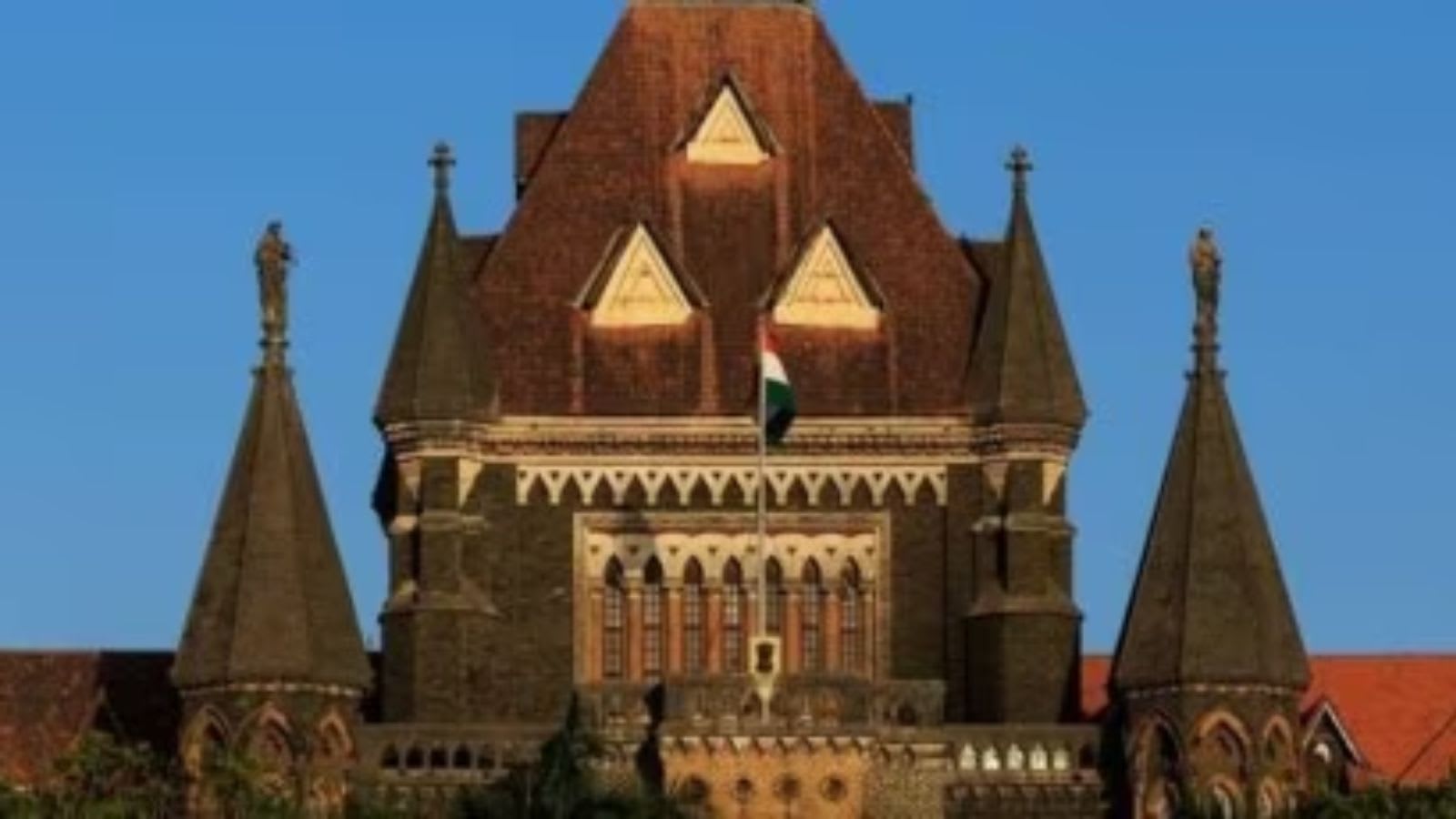
A bench of Justices Ajey S Gadkari and Kamal R Khata, while hearing a petition filed by NGO Vanashakti, directed the Maharashtra government to explain why key provisions of the law remain unimplemente...
Judicial Intervention Against Administrative Apathy
In a significant rebuke to the state executive, the Bombay High Court has expressed profound dissatisfaction with the Maharashtra government's failure to execute the mandates of the Forest Rights Act (FRA). A bench comprising Justices Ajey S Gadkari and Kamal R Khata used the strong terminology of "sheer callousness" to describe the government's inaction. This legal confrontation was triggered by a petition from the NGO Vanashakti, which highlighted the systemic delays in granting legal land and resource rights to forest-dwelling communities. The court's directive for the government to explain these lapses underscores a growing judicial intolerance for administrative inertia when it pertains to the fundamental rights of marginalized populations.
The Significance of the Forest Rights Act (FRA)
To understand the gravity of the court's remarks, one must look at the historical context of the Forest Rights Act of 2006. The FRA was designed specifically to undo "historical injustices" dealt to scheduled tribes and other traditional forest dwellers. For decades, colonial-era forest laws had criminalized the traditional practices of indigenous people, treating them as encroachers on their own ancestral lands. By providing a legal framework for the recognition of individual and community forest rights, the Act aimed to empower these communities, ensuring their tenure security and allowing them to participate in the management and conservation of forests. When a state government delays these provisions, it essentially perpetuates the colonial-era dispossession that the Act was meant to rectify.
Analysis of Judicial Frustration
The use of the phrase "sheer callousness" by the Bombay High Court is not merely rhetorical; it is a judicial signal of extreme disappointment. In the Indian legal system, courts typically use measured language, but such strong phrasing suggests that the government may have ignored previous reminders or failed to provide a plausible justification for the delay. This indicates a breakdown in the communication between the legislative intent of the FRA and the executive implementation. The court is effectively acting as a watchdog, ensuring that the statutory rights promised by Parliament are not rendered meaningless by the bureaucratic hurdles of the state administration.
The Role of Civil Society and Vanashakti
The role of the NGO Vanashakti in this case highlights the critical importance of Public Interest Litigation (PIL) in India. In many instances, the communities most affected by the non-implementation of the FRA—tribal populations in remote forest areas—lack the resources or legal literacy to approach the High Court. By filing this petition, Vanashakti has acted as a bridge, bringing the grievances of the disenfranchised to the attention of the judiciary. This dynamic demonstrates how civil society organizations serve as essential checks and balances, forcing the state to remain accountable to its legal obligations when internal government mechanisms fail.
Socio-Economic Implications of the Delay
The delay in implementing the FRA has dire consequences for the socio-economic stability of Maharashtra's forest dwellers. Without formal titles to their land (pattas), these communities remain in a state of legal precariousness, making them vulnerable to arbitrary eviction and unable to access government schemes that require land ownership documentation. Furthermore, the failure to recognize community forest rights hinders the sustainable management of biodiversity, as indigenous knowledge is often the most effective tool for forest conservation. The government's "callousness" thus results in a double loss: the violation of human rights and the degradation of environmental governance.
Future Trends and Legal Expectations
Moving forward, this court order is likely to compel the Maharashtra government to accelerate the processing of pending forest rights claims. It is expected that the state will have to present a time-bound roadmap for implementation to avoid further judicial censure or potential contempt proceedings. This case may also set a precedent for other states in India that are lagging in FRA implementation, signaling that the judiciary will not overlook administrative negligence. We can anticipate an increase in monitoring mechanisms, potentially involving court-appointed committees to oversee the distribution of land titles.
Conclusion
The Bombay High Court's slamming of the Maharashtra government serves as a stark reminder that legislation without implementation is an empty promise. By labeling the state's inaction as "sheer callousness," the court has reaffirmed that the rights of forest dwellers are not optional administrative tasks but mandatory legal obligations. The resolution of this matter will depend on whether the state government shifts from a culture of apathy to one of active compliance, finally delivering the justice promised to the forest communities of Maharashtra.