The bond market is doing the Fed’s job, and that could be good news for stocks, says Morgan Stanley strategist
Source Entity
Jules Rimmer
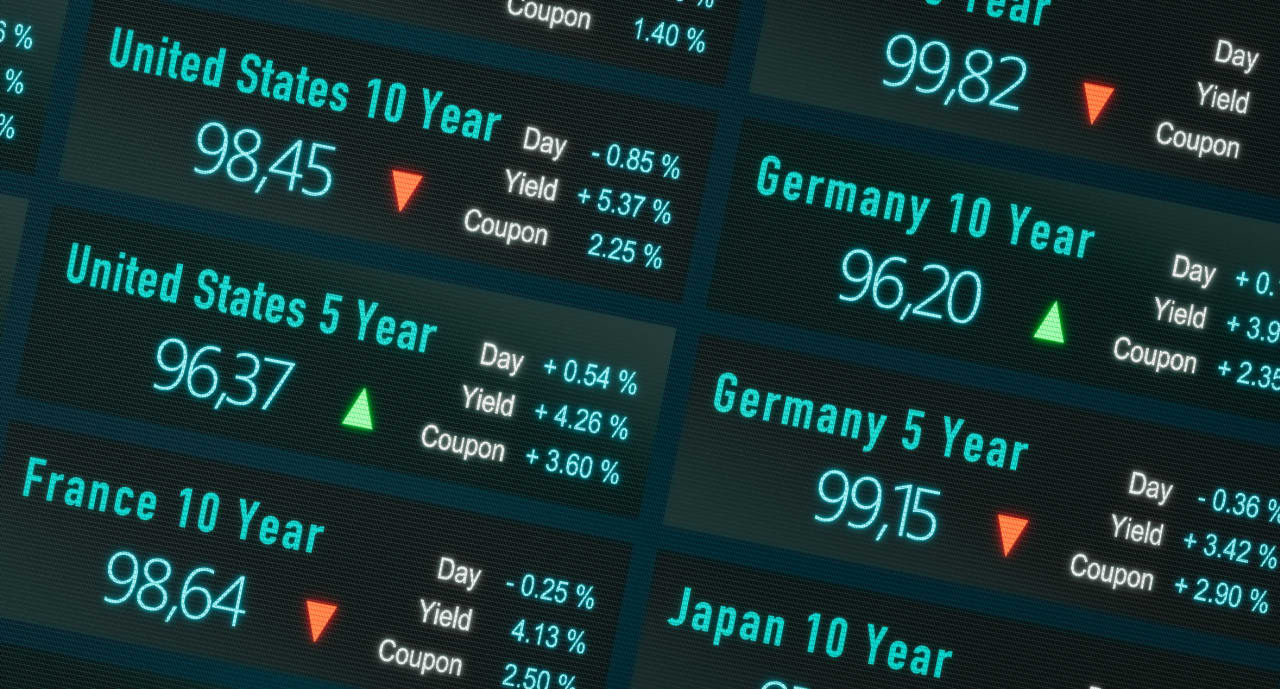
Rising bond yields, a strong dollar, and high gas prices are tightening financial conditions, potentially reducing the need for further Federal Reserve rate hikes. This shift in the macroeconomic landscape could offer a more favorable outlook for the stock market.
The Market-Driven Tightening Effect
Recent analysis from Morgan Stanley suggests that the U.S. financial landscape is currently undergoing a process of 'passive tightening' that may render traditional interest rate hikes unnecessary. By observing the interplay between the strengthening dollar, rising bond market yields, and persistent elevation in gas prices, market strategists are identifying a self-regulating mechanism within the economy. This shift implies that the market itself is performing the restrictive work typically reserved for the Federal Reserve’s monetary policy.
The Mechanics of Passive Tightening
The phenomenon of financial conditions tightening without direct policy intervention is a significant shift in the current economic narrative. When bond yields rise, borrowing costs for businesses and consumers increase across the board, effectively cooling economic activity. Simultaneously, a stronger dollar exerts pressure on exports and multinational earnings, while elevated gas prices act as a 'tax' on consumer spending power. When these three variables converge, they create a restrictive environment that mirrors the intended impact of a hawkish Federal Reserve.
Implications for Kevin Warsh and the Fed
Central bank policy is often reactive, but the current context suggests that if these market forces continue to intensify, policymakers may find their room for maneuver constrained. If the 'bond market is doing the Fed’s job,' as suggested by Morgan Stanley, the path for future rate decisions becomes increasingly complex. For leadership figures like Kevin Warsh, this presents a unique challenge: balancing the need for inflation control against the risk of over-tightening when market-driven forces are already suppressing growth.
Impact on the Equity Markets
While high rates are often viewed as a headwind for equities, the prospect of the Federal Reserve pausing or slowing down its hiking cycle due to these market-driven conditions could be a catalyst for stock market stability. Investors typically fear the uncertainty of aggressive policy shifts; however, if the market environment stabilizes at a higher yield level without further direct intervention, it could provide the clarity necessary for investors to re-enter the market with greater confidence.
Future Trends and Economic Outlook
Looking forward, the critical question remains whether these tightening conditions are sustainable or if they will eventually trigger a broader economic slowdown. If the current trajectory of bond yields and energy prices persists, we may witness a 'soft landing' scenario where inflation is brought under control without the need for further drastic rate hikes. However, if these pressures lead to a sharp contraction in consumer spending, the Fed may eventually be forced to shift from a tightening stance to a stimulative one to prevent a recessionary cycle.
Conclusion
In summary, the interplay between the bond market, currency strength, and energy costs has created a unique macroeconomic feedback loop. By effectively tightening financial conditions from the outside in, these factors are providing a buffer that may allow the Federal Reserve to maintain a more cautious approach. For the stock market, this cooling of the 'rate hike' narrative could mark a pivotal transition toward a more predictable investment environment.
Verification Required?