‘Bootleggers’ in 4 cars flee back to Rajasthan after high-speed police chase
Source Entity
The Indian Express
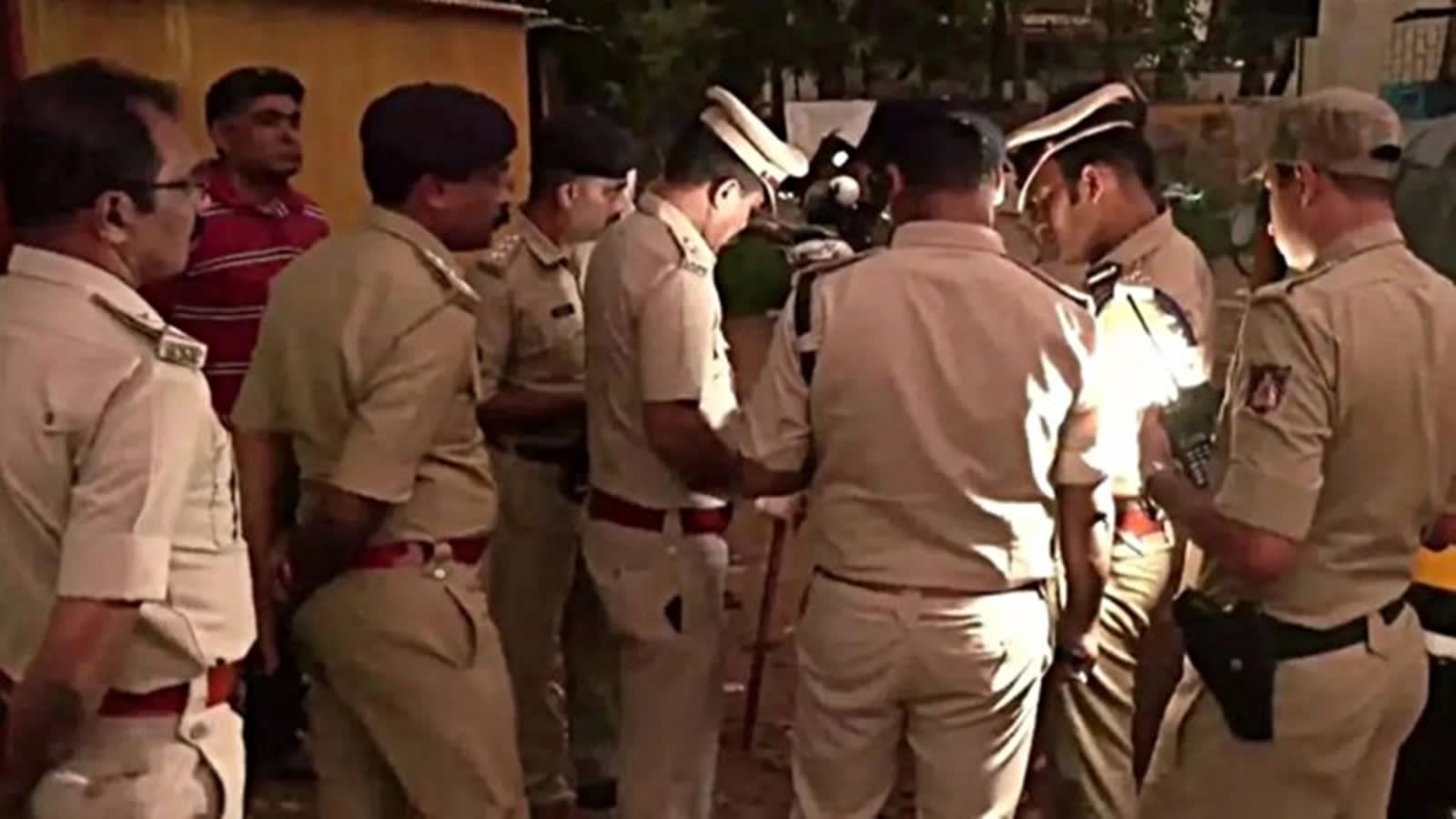
A high-speed police chase in Banaskantha ended with four suspected liquor-smuggling vehicles escaping into Rajasthan. Authorities are investigating the cross-border operation involving identified suspects.
Cross-Border Smuggling Incident in Banaskantha
On November 17, a high-stakes pursuit unfolded in the Dantiwada region of Banaskantha, Gujarat, as officials from the State Monitoring Cell (SMC) attempted to intercept a convoy of vehicles suspected of transporting contraband. The operation, which covered a distance of approximately 20 kilometers, highlights the ongoing challenges law enforcement agencies face in curbing the illegal flow of Indian Made Foreign Liquor (IMFL) across the porous borders of neighboring states.
The Anatomy of the Pursuit
During the high-speed chase, the pursuing police officials reported several close calls, underscoring the volatility and danger inherent in confronting organized smuggling syndicates. Despite the aggressive efforts of the SMC to neutralize the threat, the four vehicles managed to outmaneuver authorities, eventually crossing the state line back into Rajasthan, where they successfully evaded capture. The escape signifies a persistent tactical advantage for smugglers who utilize high-speed convoys to exploit jurisdictional boundaries.
Investigating the Supply Chain
Initial investigations conducted by the SMC have provided critical intelligence regarding the origin of the illicit shipment. Officials identified the source as the premises of one Pradeep Mevada, located in Methipura village within the Sirohi district of Rajasthan. This discovery suggests a structured supply chain operation designed to move liquor from Rajasthan into the dry state of Gujarat, where demand drives a lucrative black market.
Key Players and Operational Tactics
Police reports have specifically identified Gulabsinh, alias Vasu Ramsinh Vaghela, as the individual who piloted the convoy while operating a black SUV. The use of a lead vehicle or 'pilot' is a standard tactic employed by smuggling rings to monitor police presence and clear the path for the transport vehicles. By identifying specific individuals involved in this logistics network, the SMC is likely to initiate targeted operations to dismantle the infrastructure supporting these cross-border activities.
Broader Implications for Regional Security
This incident brings to light the broader issues regarding inter-state coordination in law enforcement. The ability of smugglers to flee into Rajasthan highlights the difficulty of maintaining seamless surveillance across state borders. As authorities continue to investigate this specific event, the focus will likely shift toward enhancing intelligence-sharing protocols between Gujarat and Rajasthan police forces to prevent such 'safe havens' from facilitating criminal activity.
Conclusion and Future Outlook
The failure to apprehend the suspects in this instance serves as a sobering reminder of the hazards faced by law enforcement. Moving forward, the SMC will likely need to employ more robust intercept strategies, such as the use of advanced surveillance technology or coordinated blockades, to mitigate the risk of high-speed escapes. The identification of key actors like Pradeep Mevada and Gulabsinh Vaghela provides a clear starting point for ongoing legal and investigative actions aimed at curbing the illegal liquor trade in the region.