Living with Type 1 diabetes since age 7, he overcame limits to become a cyclist
Source Entity
Anuradha Mascarenhas
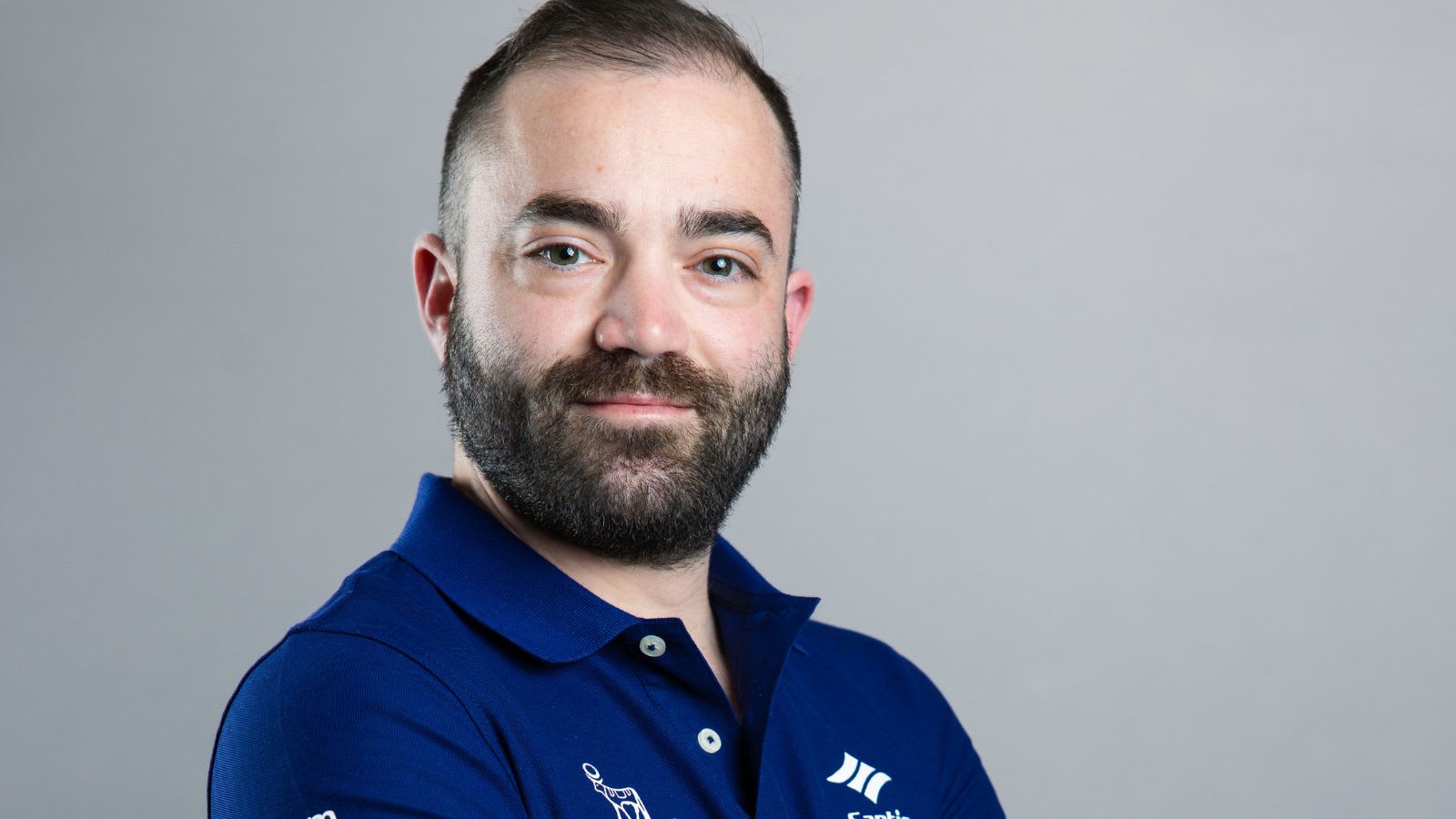
Brais Dacal, diagnosed with Type 1 diabetes at age seven, defied medical advice to lead an easy life by becoming a professional cyclist. He spent five seasons with Team Novo Nordisk and now serves as an ambassador, advocating for proactive diabetes management in sports.
Redefining Limits: The Journey of Brais Dacal
For many diagnosed with Type 1 diabetes in childhood, the initial medical advice often centers on caution and minimizing physical stress to avoid hypoglycemic episodes. Brais Dacal, diagnosed at just seven years old in Spain, was no exception to this narrative of limitation. However, rather than accepting a life defined by sedentary boundaries, Dacal chose a path of athletic defiance, proving that chronic metabolic conditions do not inherently preclude high-performance physical activity.
The Shift in Sports Medicine
Historically, the medical community emphasized extreme caution for insulin-dependent individuals. Dacal’s journey reflects a significant paradigm shift in how Type 1 diabetes is managed in elite sports. By transitioning from a child told to 'take it easy' to a professional athlete, he has become a living testament to the efficacy of disciplined glucose monitoring and nutritional management in extreme environments. His career challenges the outdated notion that endurance sports are incompatible with insulin dependency.
Impact of Team Novo Nordisk
Central to Dacal's professional trajectory was his five-season tenure with Team Novo Nordisk. This organization is unique in the professional cycling peloton, as every member lives with diabetes. By providing a structured environment where physiological needs are integrated into the team's training and competitive strategy, the team has effectively dismantled the stigma surrounding the condition. Dacal’s time with the team allowed him to refine the technical aspects of managing blood glucose levels while subjected to the intense physiological demands of professional road racing.
Empowerment Through Advocacy
Since retiring from professional competition, Dacal has transitioned into an ambassadorial role. His work involves traveling to share his experiences, emphasizing the philosophy that a patient should 'own' their diabetes rather than allowing the condition to dictate their potential. This shift from athlete to advocate is crucial for the broader diabetic community, as it provides a tangible, relatable example of success that motivates younger generations to pursue their athletic aspirations despite their diagnosis.
Future Trends and Broader Implications
The story of Brais Dacal serves as a blueprint for the future of chronic disease management. As wearable technology for continuous glucose monitoring (CGM) continues to advance, the ability for athletes to engage in high-intensity sports while maintaining metabolic stability is becoming increasingly sophisticated. Dacal’s narrative underscores a growing trend: the move away from restrictive management toward a model of empowerment and integration. Ultimately, his legacy is not just in the races he finished, but in the barriers he removed for others facing similar health challenges.