Lula or Bolsonaro: Wall Street braces for two wildly different results in Brazil election
Source Entity
US Top News and Analysis
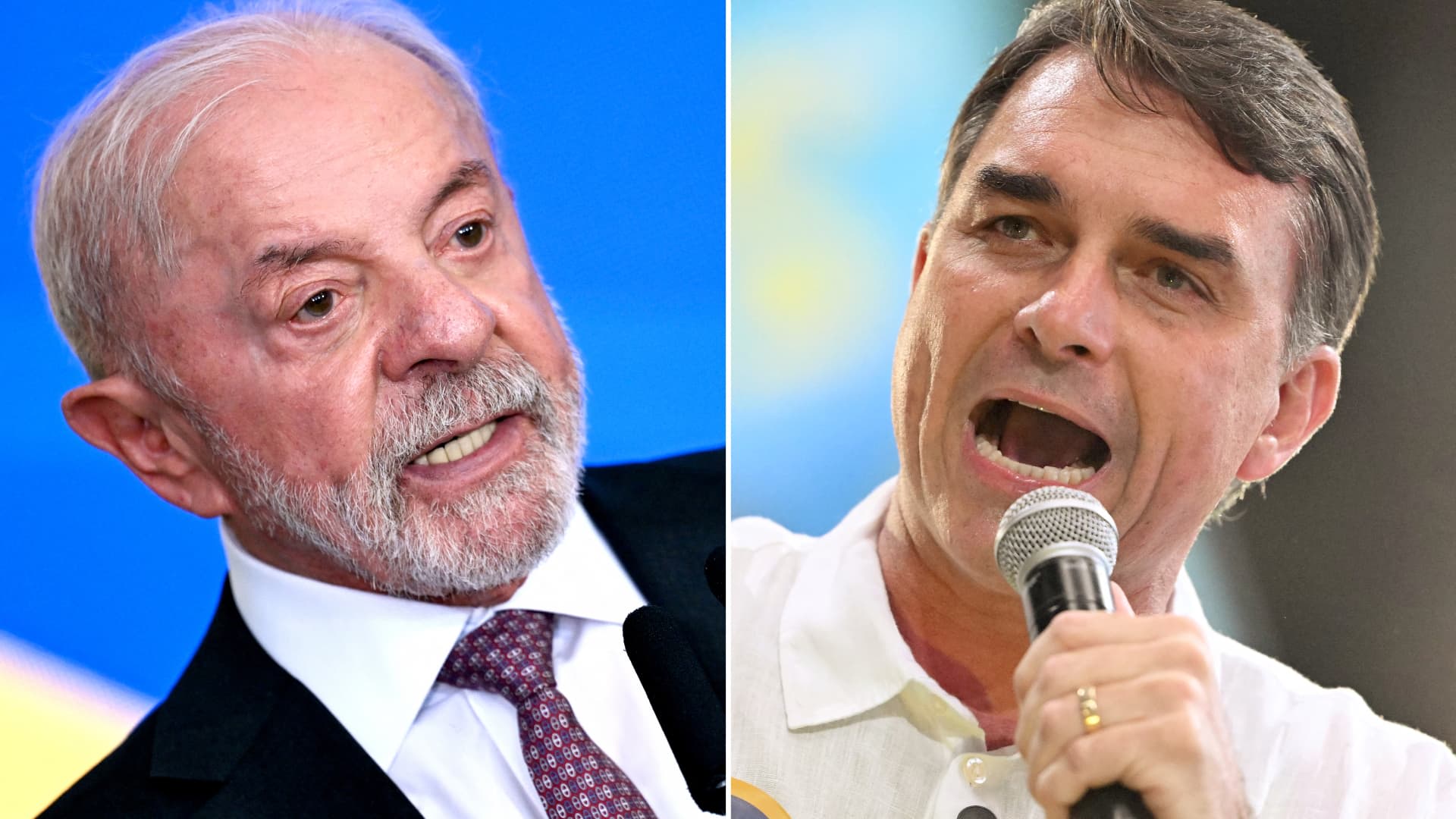
Brazilian President Lula da Silva faces a critical election against Flávio Bolsonaro, framing the contest as a battle against far-right fascism. The election represents a pivotal test for the regional political shift influenced by U.S. support for right-wing movements.
The High-Stakes Battle for Brazil's Future
Brazil stands at a significant political crossroads as President Luiz Inácio Lula da Silva prepares for a crucial election, framing his candidacy as a necessary barrier against the resurgence of far-right movements. During a massive campaign rally in Rio de Janeiro, the 80-year-old incumbent emphasized that his decision to pursue a fourth term is driven by the necessity of blocking the family of his right-wing rival, Flávio Bolsonaro, from reclaiming the presidency. Lula’s rhetoric, characterizing the choice as being between himself and "barbarism," underscores the existential nature of this political struggle for his supporters.
The Shadow of Global Political Alliances
The Brazilian election is occurring within a broader, complex landscape of shifting regional alliances. U.S. President Donald Trump has actively cultivated a "Shield of the Americas" coalition, a group of 15 nations currently governed by right-wing or far-right administrations. Trump’s recent claims regarding the success of his endorsed candidates across seven Latin American presidential elections highlight the international stakes. The presence of a giant effigy of Trump at a Flávio Bolsonaro rally in São Paulo serves as a visual testament to the ideological alignment between the Brazilian right and the current U.S. administration.
Market Volatility and Prediction Discrepancies
Wall Street and global investors are closely monitoring the potential economic fallout of these drastically different political outcomes. Financial markets are exhibiting high sensitivity to the shifting polling numbers. While prediction markets like Kalshi currently favor Flávio Bolsonaro with a 60% probability of victory, analysts such as Richard Lapper of Aurora Macro Strategies suggest these figures may not fully capture the local sentiment, noting that prediction markets are prohibited within Brazil itself. Nonetheless, the correlation between Bolsonaro’s rising poll numbers and the upward trend in Brazilian stocks indicates that investors are pricing in a specific, market-friendly expectation for a potential right-wing victory.
The Polarization of the Electorate
The electoral divide is characterized by a deep polarization between Lula’s platform and the Bolsonaro family’s vision for the country. By positioning himself as the singular individual capable of neutralizing the influence of the Bolsonaro lineage, Lula is attempting to consolidate the left and moderate voters. Conversely, the momentum behind Flávio Bolsonaro suggests a significant portion of the electorate is looking for a shift away from the current administration, further evidenced by the tightening race leading into the Sunday vote.
Broader Regional Implications
The outcome of this election will inevitably ripple across Latin America, potentially signaling either a consolidation of the "Shield of the Americas" coalition or a significant pushback against the current regional trend toward conservative governance. As the "neck-and-neck" nature of the race suggests, the result will not only determine Brazil's internal trajectory regarding social and economic policy but will also serve as a barometer for the durability of the right-wing resurgence championed by international allies. The tension between local political realities and external pressures remains the defining feature of this historic election.
Multiple Citing Sources