Bret Baier vs Trump: Fox News host claps back at POTUS over Iran coverage, 'Jonathan Hunt's not a flunky'
Source Entity
Latest News: Todays Latest News Headlines from India & World | Hindustan Times | Hindustan Times
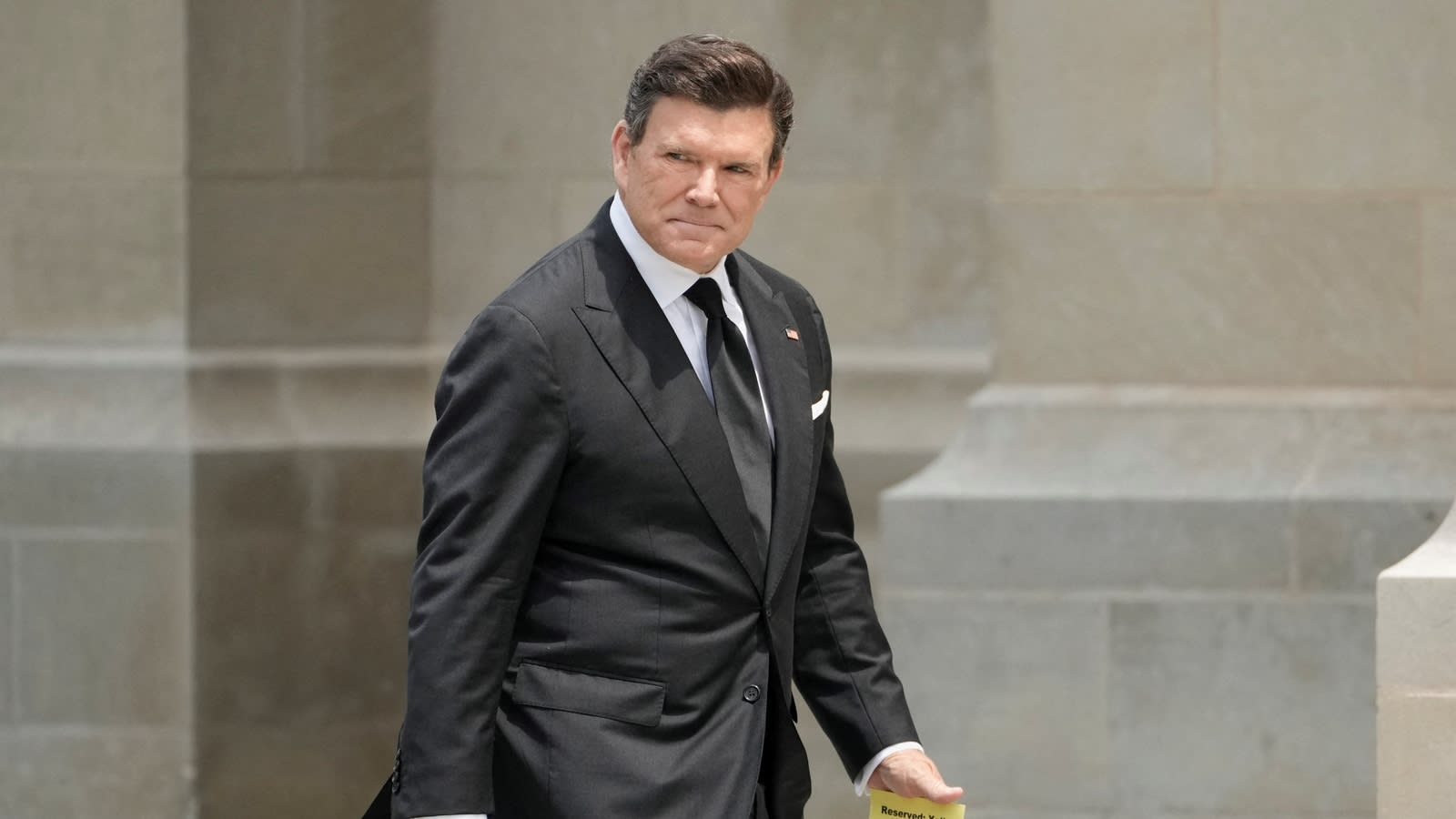
Fox News anchor Bret Baier defended reporter Jonathan Hunt after President Trump criticized their Iran conflict coverage on Truth Social. Baier used his platform to issue a sharp rebuttal, correcting the president's claims regarding the reporting.
The Clash Between Media and the Executive
The recent public exchange between Fox News anchor Bret Baier and former President Donald Trump highlights the increasingly volatile relationship between mainstream media figures and political leaders. Following critical remarks posted by Trump on Truth Social regarding the reporting of the Iran conflict on Special Report, Baier took the unusual step of addressing the President’s accusations directly on-air. This incident underscores the tension inherent in political journalism, where the accuracy of reporting is frequently challenged by the very subjects of that news.
Defending Editorial Integrity
At the heart of the confrontation was Trump’s characterization of reporter Jonathan Hunt. By labeling the correspondent a "flunky," the President sought to delegitimize the network's reporting on the Iran situation. Baier, serving as Fox News' chief political correspondent, forcefully rejected this narrative. By labeling Hunt as a respected professional, Baier was not merely defending a colleague; he was asserting the autonomy of his newsroom against external attempts to frame the journalistic process as subservient or biased.
The Role of Fact-Checking in Real-Time
This episode serves as a case study in the modern necessity of real-time fact-checking. Baier utilized his platform to provide a direct rebuttal to the President’s claims, framing the situation as a correction of the public record. In an era where digital platforms allow politicians to bypass traditional editorial filters, journalists are increasingly forced to use their own airtime to address accusations made on social media, turning news segments into battlegrounds for narrative control.
Historical Context of Media-Executive Friction
Historically, the relationship between the press and the executive branch has been defined by a degree of adversarial friction, yet the digital age has accelerated the pace and intensity of these disputes. The use of Truth Social by Trump to communicate directly with his base creates a feedback loop that often puts news anchors in a position of reactive defense. Baier’s response reflects a broader trend of media organizations attempting to maintain credibility in a polarized environment where their reporting is frequently scrutinized by public figures with significant digital reach.
Broader Implications for Political Journalism
Looking forward, this event suggests that the friction between political figures and news networks will likely persist, if not intensify. As news organizations navigate the pressures of maintaining high-level access while holding power to account, the ability of anchors to stand by their correspondents becomes a critical litmus test for institutional independence. The incident demonstrates that the influence of a news brand is often tied to its willingness to confront high-profile criticism head-on rather than ignoring it.
Conclusion
The confrontation between Bret Baier and Donald Trump is a stark reminder of the fragile balance between political communication and journalistic oversight. By choosing to defend Jonathan Hunt and correct the record on-air, Baier signaled a commitment to standard newsroom practices despite the political weight of his detractor. As media environments continue to evolve, the ability to protect one's reporting staff from external characterization will remain a vital component of maintaining public trust and editorial integrity.
Verification Required?