US Judge Won't Immediately Block Trump's Limiting Birthright Citizenship Order
Source Entity
NDTV News Search Records Found 1000
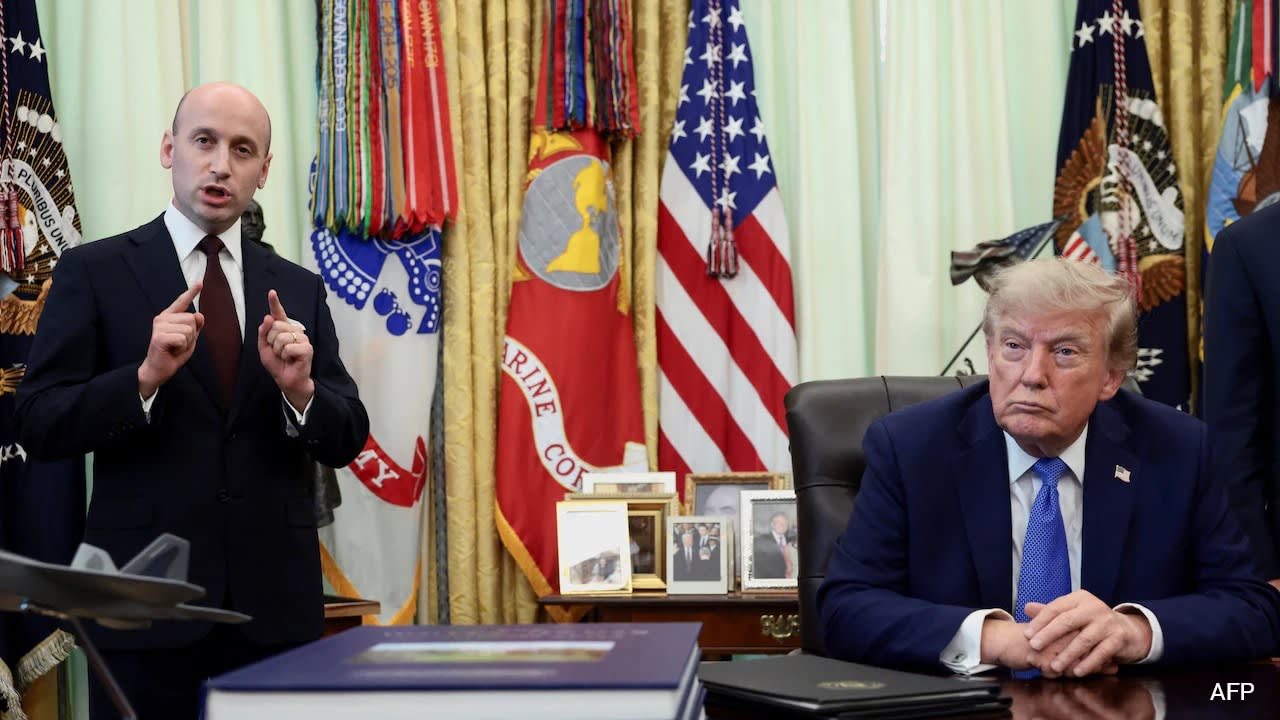
A federal judge has declined to block President Trump's order limiting birthright citizenship, citing a procedural failure by plaintiffs to include the specific 2026 mandate in their lawsuit. The ruling allows the order to proceed for the time being, highlighting the critical importance of procedural precision in high-stakes constitutional litigation.
Judicial Proceduralism and the Birthright Citizenship Challenge
In a recent legal development, a federal judge has declined to issue an immediate injunction against President Trump’s 2026 executive order aimed at limiting birthright citizenship. The decision, handed down by Judge Boardman—an appointee of the Biden administration—centers not on the constitutional merits of the order itself, but rather on a fundamental procedural deficiency within the plaintiffs' filing. By failing to explicitly cite or challenge the 2026 order in their initial lawsuit, the plaintiffs effectively stripped the court of the necessary standing to grant the requested relief.
The Importance of Litigation Precision
This ruling serves as a stark reminder of the rigorous standards required in constitutional litigation. In the American legal system, courts are constrained by the principle of 'case or controversy,' which dictates that they can only rule on issues properly brought before them. Because the lawsuit omitted the specific 2026 mandate, the court found itself unable to adjudicate its validity. This procedural hurdle underscores that even in cases involving high-stakes national policy, the technical framing of a legal complaint remains the most significant barrier to judicial intervention.
Contextualizing the 2026 Mandate
President Trump’s 2026 order represents a significant pivot in the ongoing debate over the 14th Amendment’s citizenship clause. By attempting to restrict birthright citizenship, the administration is challenging decades of established legal precedent that has historically interpreted the amendment to grant citizenship to those born on U.S. soil. This legal maneuver is designed to shift the discourse on immigration and national identity, forcing the judiciary to grapple with the tension between executive authority and constitutional interpretation.
The Role of Judicial Appointments
Interestingly, the decision was rendered by Judge Boardman, a judge appointed by former President Joe Biden. The fact that an appointee of an opposing political party issued a ruling that favors the current administration’s procedural stance highlights the complexity of the federal judiciary. It demonstrates that despite the intense political polarization surrounding immigration policy, judicial decisions are often guided by procedural rules and the specific limitations of the pleadings presented, rather than solely by the political affiliation of the presiding judge.
Future Implications for Immigration Law
Looking ahead, this ruling is unlikely to be the final word on the matter. It is highly probable that the plaintiffs will amend their legal strategy to specifically include the 2026 order, thereby setting the stage for a substantive debate on its constitutionality. As the case moves through the court system, it will likely reach higher appellate levels, where the legal interpretation of the 14th Amendment will be tested against the executive branch's authority to alter immigration status through administrative action.
Conclusion
In summary, while the immediate attempt to halt the 2026 birthright citizenship order has failed, the legal battle is merely in its infancy. The focus now shifts to whether the plaintiffs can rectify their procedural errors and force a merits-based review of the policy. As this saga unfolds, it will continue to serve as a bellwether for the broader conflicts between executive power and constitutional protections in the modern political era.
Verification Required?