West Bengal CM flays ‘Azadi’ slogans at Jadavpur
Source Entity
India Latest News: Top National Headlines Today & Breaking News | The Hindu
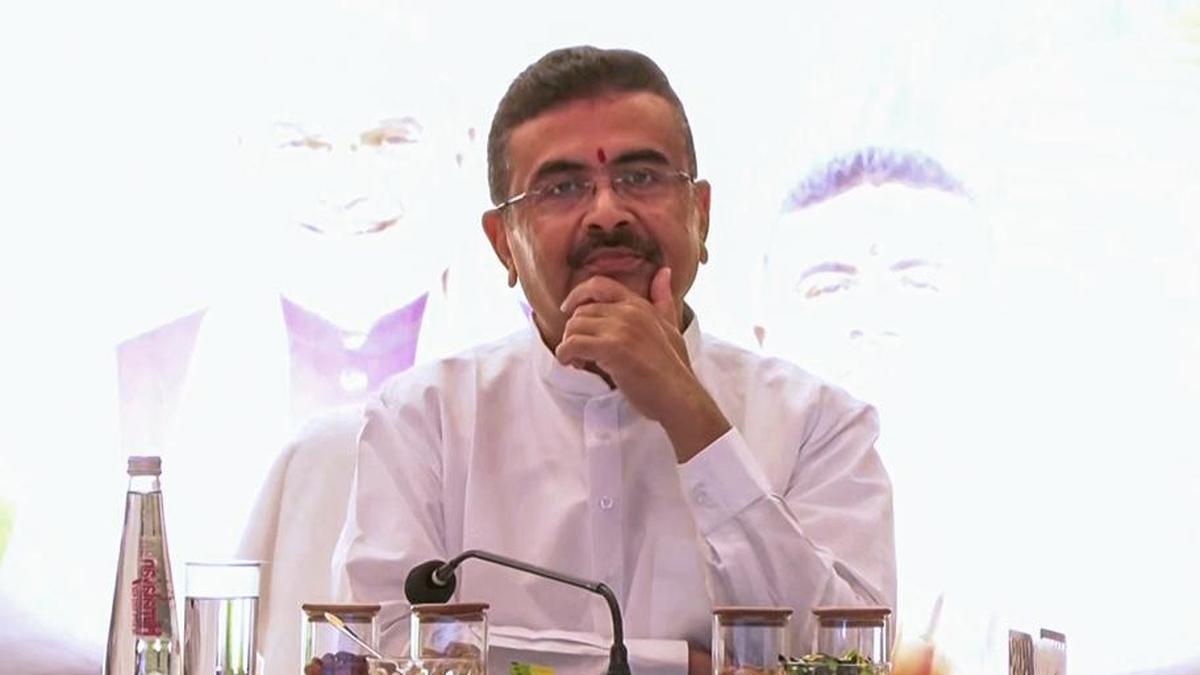
West Bengal CM Suvendu Adhikari has launched a sharp critique of Jadavpur University students, condemning 'azaadi' slogans and alleged support for separatist movements. The remarks, made during a massive Vande Mataram recital, underscore rising tensions between the state government and campus activists.
Tensions Escalate at Jadavpur University
West Bengal Chief Minister Suvendu Adhikari recently signaled a significant shift in the state's approach toward campus activism at Jadavpur University (JU). During a large-scale public event held near the university grounds on the occasion of Raksha Bandhan, Adhikari addressed a crowd of approximately 10,000 people to participate in a mass recital of the national song, Vande Mataram. This event, organized by the Bharatiya Janata Party (BJP), was explicitly framed as a counter-narrative to recent internal campus conflicts, specifically following clashes between student organizations like the ABVP and SFI.
The Rhetoric of Nationalism vs. 'Azaadi'
At the core of the Chief Minister’s address was a fierce condemnation of the 'azaadi' (freedom) slogans often heard on the campus. Adhikari challenged the students, rhetorically asking what form of freedom they seek, while explicitly linking these slogans to ideologies he characterized as detrimental to national integrity. He specifically named Maoist sympathies, support for Palestine, and slogans demanding independence for Kashmir as activities that his administration would no longer tolerate on the university grounds.
Confronting 'Threat Culture' and Separatism
Adhikari used the platform to label the current atmosphere at JU as a "threat culture," vowing to end what he perceives as a unchecked environment for anti-national elements. He went as far as to categorize the protesting student factions as part of the "tukde-tukde gang," a politically charged term used to describe groups accused of harboring separatist sentiments. His remarks also touched upon recent geopolitical and security-related protests, specifically mentioning student opposition to "Operation Sindoor" as evidence of a misalignment between the student body and the state’s security objectives.
Implications for Campus Autonomy
This confrontation represents a deeper ideological struggle regarding the limits of academic freedom and campus speech in West Bengal. By framing the issue as a choice between "nationalism" and "drug-fueled dissent," the Chief Minister is attempting to shift the public perception of the university. This move suggests that the state government is moving toward a more interventionist policy, aiming to curb political activities that deviate from the nationalist framework promoted by his administration.
Future Trends in State-University Relations
Looking ahead, the rhetoric used by the Chief Minister suggests that Jadavpur University will remain a focal point for political friction. The explicit mention of ending the "threat culture" indicates that the state government may introduce more rigorous administrative oversight or security measures on campus. As the government continues to prioritize the "spirit of nationalism" as a governing mandate, the campus, long known for its vibrant and often radical student politics, faces a period of unprecedented pressure and potential institutional reform aimed at aligning student discourse with state-sanctioned narratives.
Verification Required?