Dear Editor, I Disagree: Dialogue at BRICS is a means, not an end
Source Entity
Aftab Alam
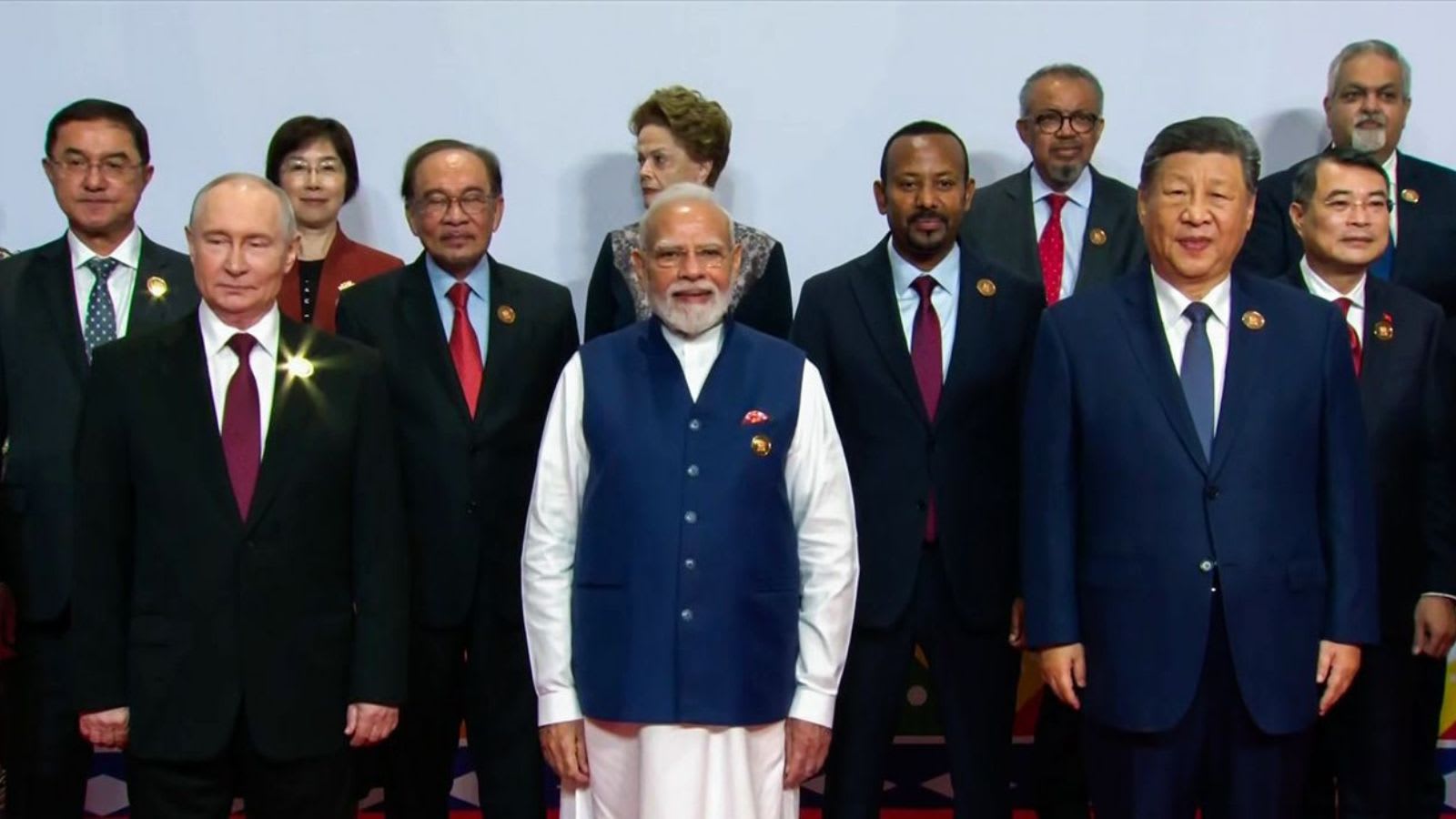
The debate over BRICS examines whether the bloc serves as a meaningful geopolitical force or merely a diplomatic forum. While proponents highlight its role in amplifying the Global South, critics argue that defining it solely by dialogue sets an insufficient standard for its impact.
The BRICS Debate: Diplomacy or Strategic Substance?
Recent editorial discourse surrounding the BRICS grouping has sparked a critical debate regarding the bloc's true utility in a rapidly shifting international order. While some commentators argue that the forum’s primary value lies in its ability to facilitate communication between nations with competing interests, others suggest that such a perspective sets an excessively low bar for an organization that claims to represent the interests of the Global South.
The Case for Dialogue as a Diplomatic Tool
Proponents of the current BRICS framework emphasize its role as a necessary venue for keeping diplomatic channels open. In a world characterized by fragmentation and geopolitical tension, the ability of diverse nations to convene under a single umbrella is often seen as a success in itself. By expanding its membership, BRICS has effectively increased the collective volume of the Global South, providing a platform for nations that have historically felt marginalized by Western-dominated international institutions.
Moving Beyond the 'Dialogue' Metric
However, the critique persists that viewing BRICS merely as a space for conversation ignores the profound churn currently defining the global landscape. If the grouping is to remain relevant, it must transition from being a simple venue for dialogue to a mechanism for tangible outcomes. Relying on the existence of the forum as a 'win for diplomacy' masks the lack of structural integration and common policy goals that could actually reshape the international economic and political order.
Addressing Internal Competition
One of the most significant challenges facing BRICS is the inherent tension between its members. With competing interests and divergent domestic priorities, the bloc often struggles to present a unified front. The current editorial debate highlights that while bringing these countries together is a logistical achievement, it does not automatically translate into a cohesive strategic partnership. The challenge lies in converting these meetings into actionable cooperation that transcends mere rhetoric.
The Future of the Global South
As the international order undergoes systemic change, the expectations for BRICS are rising. The grouping stands at a crossroads: it can either continue to function as a loose coalition of convenience—valuable for its communicative potential—or it can evolve into a more rigorous entity capable of influencing global governance. The debate serves as a reminder that in an era of deep uncertainty, the international community is looking for more than just engagement; it is looking for impact.
Concluding Perspectives
Ultimately, while dialogue is an essential precursor to diplomacy, it cannot remain the only benchmark for the success of BRICS. To justify its expanded membership and growing profile, the bloc must eventually demonstrate that it can navigate its internal contradictions to offer concrete alternatives to the existing global status quo. The discourse surrounding these editorials reflects a broader, necessary skepticism about the pace and depth of change within the Global South's most prominent diplomatic platform.