South Africa is at risk of becoming a mafia state
Source Entity
Latest News: Todays Latest News Headlines from India & World | Hindustan Times | Hindustan Times
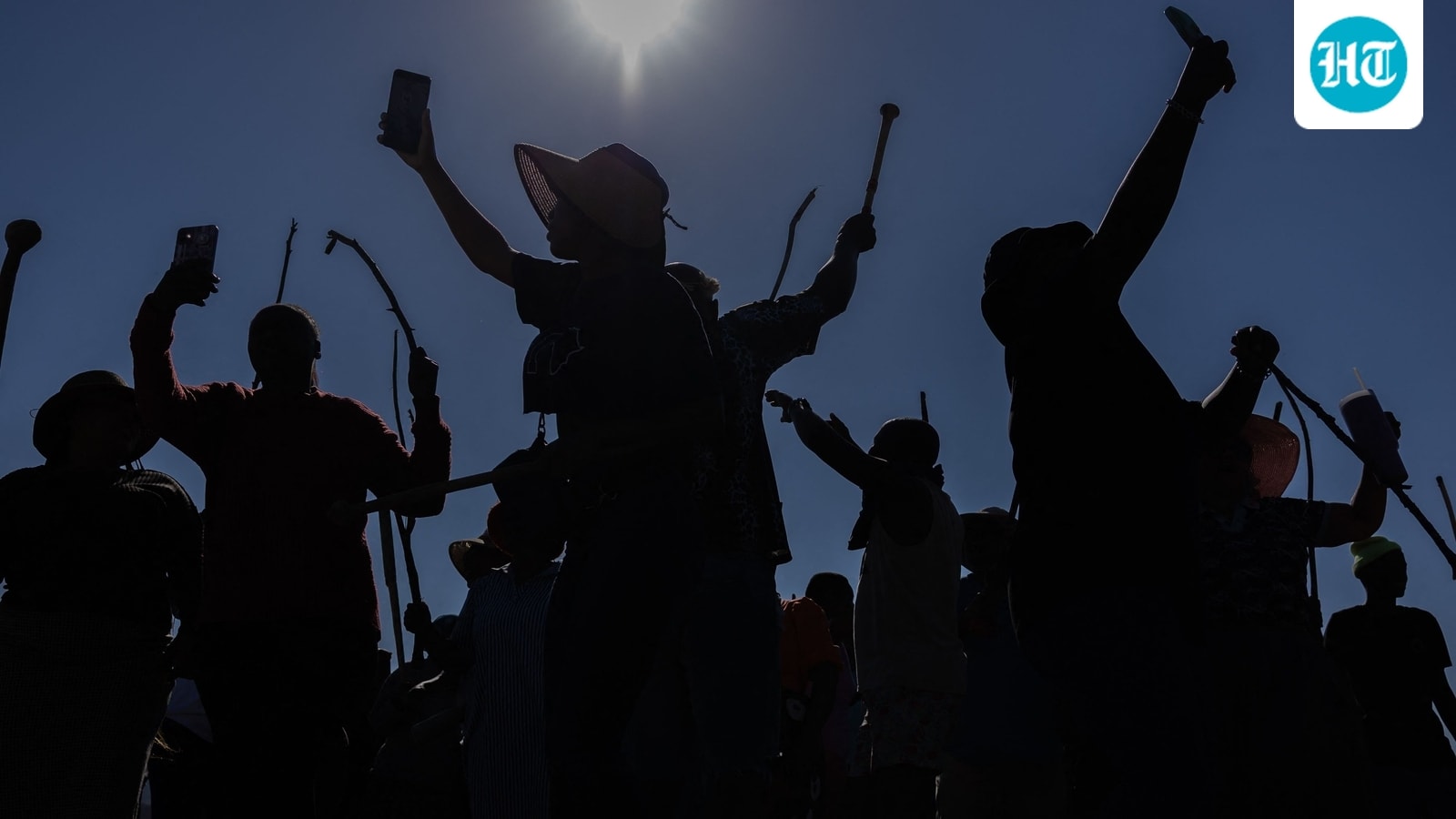
South Africa is facing a systemic crisis as organized crime increasingly infiltrates state institutions and formal business sectors. A high-level public inquiry led by Judge Mbuyiseli Madlanga is exposing the depth of this influence, raising concerns that the nation is evolving into a mafia state.
The Erosion of Sovereignty: South Africa's Organized Crime Crisis
South Africa is currently grappling with a profound shift in its national security landscape. While the early 2020s were dominated by the existential threat of energy instability—characterized by relentless, economy-crushing blackouts—the national discourse has pivoted toward a more insidious danger: the systemic infiltration of organized crime into the fabric of the state. This transition from 'the problem of electricity' to 'the problem of criminality' marks a turning point in the country's post-apartheid history.
A Global Ranking of Concern
According to data from the Global Initiative against Transnational Organised Crime (GI-TOC), South Africa now ranks seventh-worst out of 193 nations regarding organized criminality. This placement puts the country in the company of nations struggling with entrenched cartels and conflict zones, such as Myanmar, Colombia, and Mexico. This ranking is not merely a statistical anomaly but a reflection of how deeply criminal syndicates have embedded themselves within the national infrastructure, moving beyond traditional illicit markets into the core of formal economic operations.
The Inquiry: Exposing the 'Overworld' Threat
For decades, South Africa possessed a distinct underworld, but the current crisis is defined by the convergence of that underworld with the 'overworld'—the formal government and legitimate business sectors. The gravity of this situation is currently being documented in a high-profile public inquiry led by retired judge Mbuyiseli Madlanga. As the inquiry marks its first anniversary on September 17th, its televised hearings have provided a platform to reveal how criminal networks have compromised the state's functional integrity.
Historical Context and Institutional Decay
Historically, South Africa’s governance challenges were often viewed through the lens of political corruption or state capture. However, the current findings suggest a more dangerous evolution where criminal organizations operate with a level of impunity that challenges the state's monopoly on force. The transition from localized crime to institutionalized corruption suggests that the mechanisms designed to protect the public are now being leveraged by illicit actors to further their own agendas.
Broader Implications for the Economy
When organized crime penetrates the formal business sector, the implications for foreign direct investment and local economic stability are severe. If firms cannot operate without the interference of syndicates, the cost of doing business inflates, and the rule of law is effectively outsourced to private interests. This creates a feedback loop where the state’s inability to enforce order drives more businesses to seek informal or illicit protections, further weakening the legitimate economy.
Future Trends and Concluding Thoughts
The ongoing inquiry led by Judge Madlanga serves as a critical diagnostic tool for the nation. Whether the findings of this inquiry will lead to robust policy reforms or remain mere documentation of a decline remains to be seen. The trajectory of South Africa now depends on its ability to reclaim institutional autonomy from these criminal elements. If the state fails to decouple itself from these syndicates, the risk of transitioning into a fully realized 'mafia state'—where criminal interests dictate governance—becomes an increasingly plausible reality.
Verification Required?