Utah couple spent 14 years saving 25.5-acre farm from development
Source Entity
TOI WORLD DESK
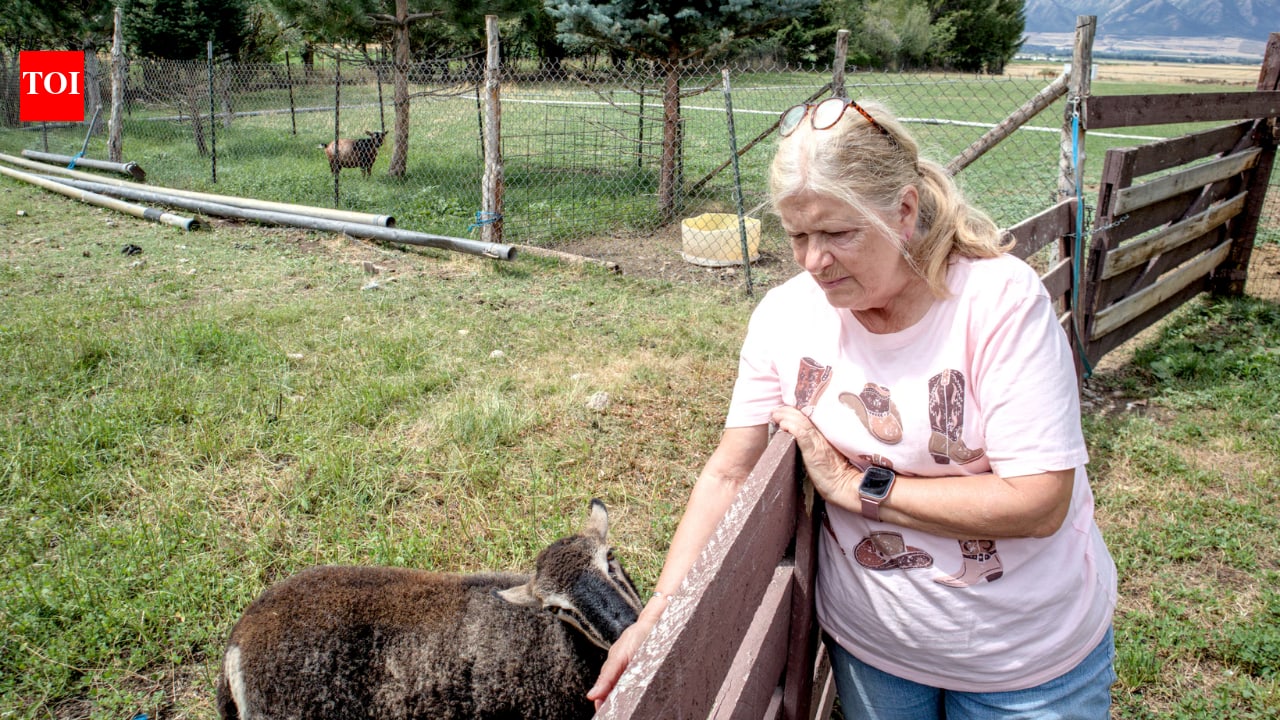
Sheri Schiess and her late husband, Boyd, successfully protected their 25.5-acre Utah farm from urban development through a 14-year conservation easement. This agreement ensures the land remains agricultural, preserving open space amidst the rapid expansion of Nibley.
A Legacy Preserved: The Schiess Farm Conservation Effort
In an era defined by rapid urbanization and the encroaching footprint of residential and commercial development, the story of Sheri Schiess and her late husband, Boyd, stands as a testament to individual commitment to land stewardship. For fourteen years, the couple worked tirelessly to secure a conservation easement for their 25.5-acre property in Nibley, Utah. This long-term dedication has successfully shielded their farmland from being swallowed by the surrounding sprawl, ensuring that a vital piece of agricultural history remains intact.
The Mechanics of Conservation Easements
At its core, a conservation easement is a voluntary legal agreement between a landowner and a land trust or government entity. By entering into this contract, the Schiess family permanently limited the type and amount of development that can occur on their land. This mechanism is particularly effective because it allows for the preservation of private property without the requirement of public ownership. It balances the rights of the landowner with the public interest in maintaining open spaces, biodiversity, and local food production capabilities.
Confronting Urban Encroachment
Nibley, Utah, like many regions across the American West, has faced intense pressure from population growth and infrastructure expansion. The Schiess property, situated at the intersection of 4000 South and 640 West, became a focal point where the contrast between traditional agricultural life and modern suburban development was starkly visible. The decision to pursue a conservation easement was not merely a real estate choice but a strategic intervention against the loss of local rural character.
Environmental and Agricultural Implications
Preserving 25.5 acres of farmland provides significant ecological benefits, including the maintenance of permeable soil, support for local flora and fauna, and the prevention of urban heat island effects. By ensuring the land stays green, the Schiess family has contributed to the long-term sustainability of the Nibley area. Such easements serve as a buffer against the homogenization of landscapes, keeping the region’s agricultural heritage alive while providing a necessary respite from the density of residential housing.
Future Trends in Land Stewardship
The success of the Schiess family serves as a blueprint for other landowners facing similar pressures. As development continues to push into previously rural areas, the utilization of conservation easements is likely to increase. This trend reflects a broader cultural shift toward prioritizing sustainable land use and recognizing the intrinsic value of farms that are not just production sites, but essential components of the community’s identity and environmental health. The legacy of the Schiess farm will endure as a permanent green space for future generations to inherit.