Banned plastic worth 1,060kg seized in Khandsa Mandi, vendor fined ₹25,000
Source Entity
Latest News: Todays Latest News Headlines from India & World | Hindustan Times | Hindustan Times
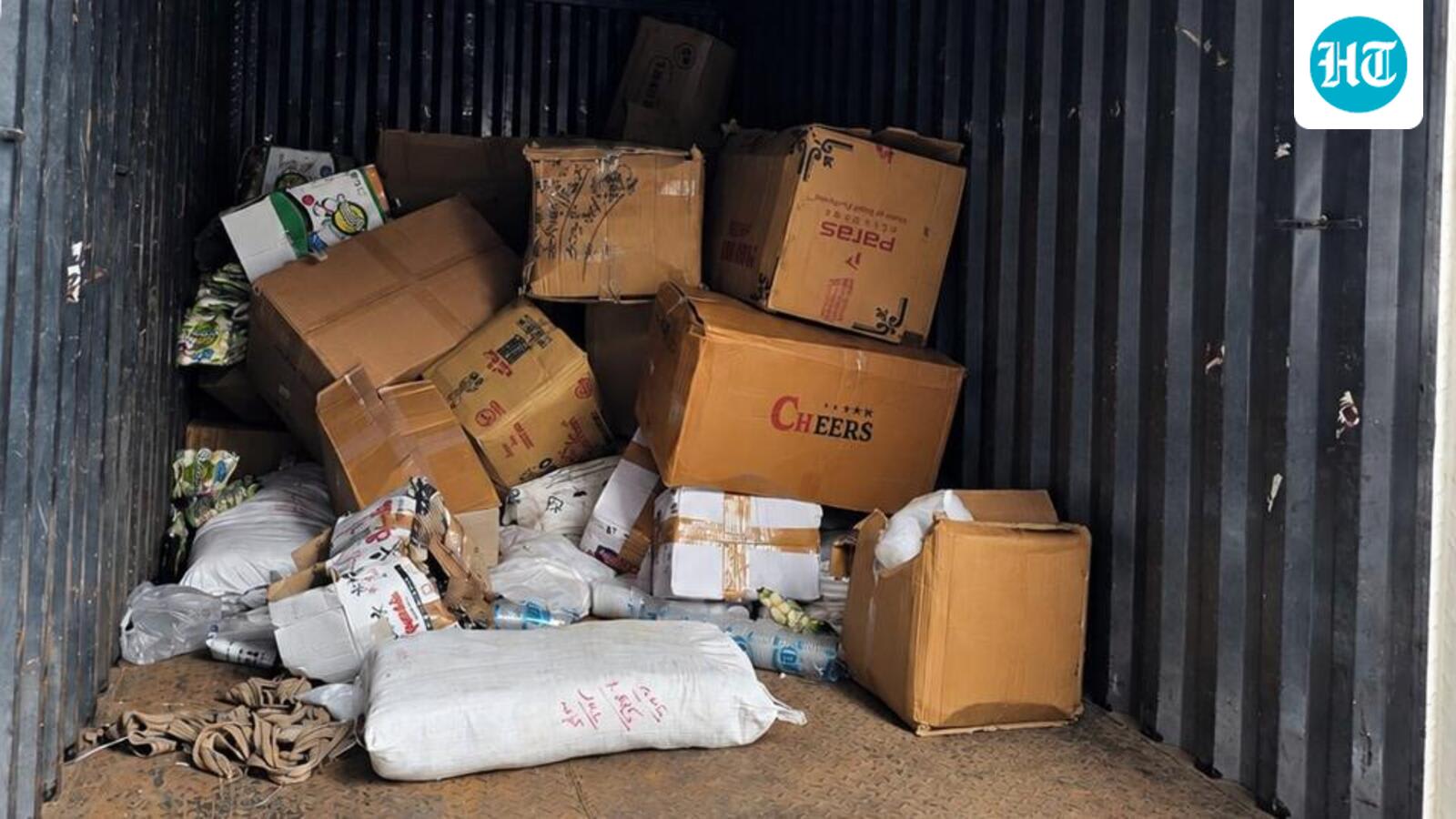
Haryana State Pollution Control Board officials seized 1,060 kg of banned single-use plastic in Khandsa Mandi. The material was sent to a waste-to-energy plant, and the vendor was fined ₹25,000 for violating environmental regulations.
Crackdown on Single-Use Plastics in Gurugram
In a significant enforcement action, the Haryana State Pollution Control Board (HSPCB) Gurugram North team conducted a targeted drive against the distribution and storage of prohibited single-use plastic (SUP) items. This operation, which took place in Khandsa Mandi, resulted in the seizure of 1,060 kg of banned plastic materials found within a commercial unit. This move underscores the ongoing regulatory pressure to curb plastic pollution in the region.
Environmental Enforcement and Compliance
The enforcement drive was not merely a symbolic act but a rigorous inspection of vendors, storage facilities, and commercial establishments. By targeting central hubs like Khandsa Mandi, the HSPCB aims to disrupt the supply chain of banned SUP items at the source. The imposition of a ₹25,000 fine on the vendor serves as a punitive measure designed to deter future violations and signal to other businesses that the government is strictly enforcing environmental compliance standards.
Scientific Disposal of Seized Waste
An essential component of the HSPCB's strategy is the responsible disposal of confiscated materials. Rather than allowing the seized plastic to end up in landfills, where it would contribute to long-term soil and water contamination, the board transported the 1,060 kg of material to the JBM Enviro Waste to Energy Plant in Tajpur, Murthal. This facility uses advanced waste-to-energy technology to incinerate non-recyclable waste, effectively converting a pollutant into a source of energy.
Broader Implications for Waste Management
The reliance on waste-to-energy infrastructure reflects a shift in how regional authorities manage industrial and commercial waste. By integrating enforcement with sustainable disposal methods, the HSPCB is addressing the dual challenge of illegal plastic proliferation and the necessity of waste minimization. This systematic approach is critical for cities like Gurugram, which face immense pressure from rapid urbanization and the resulting waste management demands.
Historical Context and Future Trends
For years, India has struggled with the pervasive presence of low-grade, single-use plastics that clog urban drainage systems and contribute to severe pollution. The recent actions by the HSPCB in Gurugram are part of a larger, ongoing national effort to align with global environmental standards. Moving forward, it is likely that the HSPCB will continue to intensify its surveillance of commercial hubs, potentially utilizing digital tracking and increased spot checks to ensure that businesses remain compliant with the evolving legal framework surrounding SUPs.
Conclusion
The seizure at Khandsa Mandi serves as a stark reminder of the legal consequences associated with the trade of banned plastics. By combining strict enforcement, financial penalties, and scientific disposal methods, the HSPCB is attempting to create a more sustainable commercial environment. The long-term success of these initiatives will depend on sustained vigilance and the continued cooperation of the commercial sector in transitioning to eco-friendly alternatives.
Verification Required?