Russian President Vladimir Putin arrives in Delhi to attend BRICS Summit, bilateral meetings
Source Entity
The Indian Express
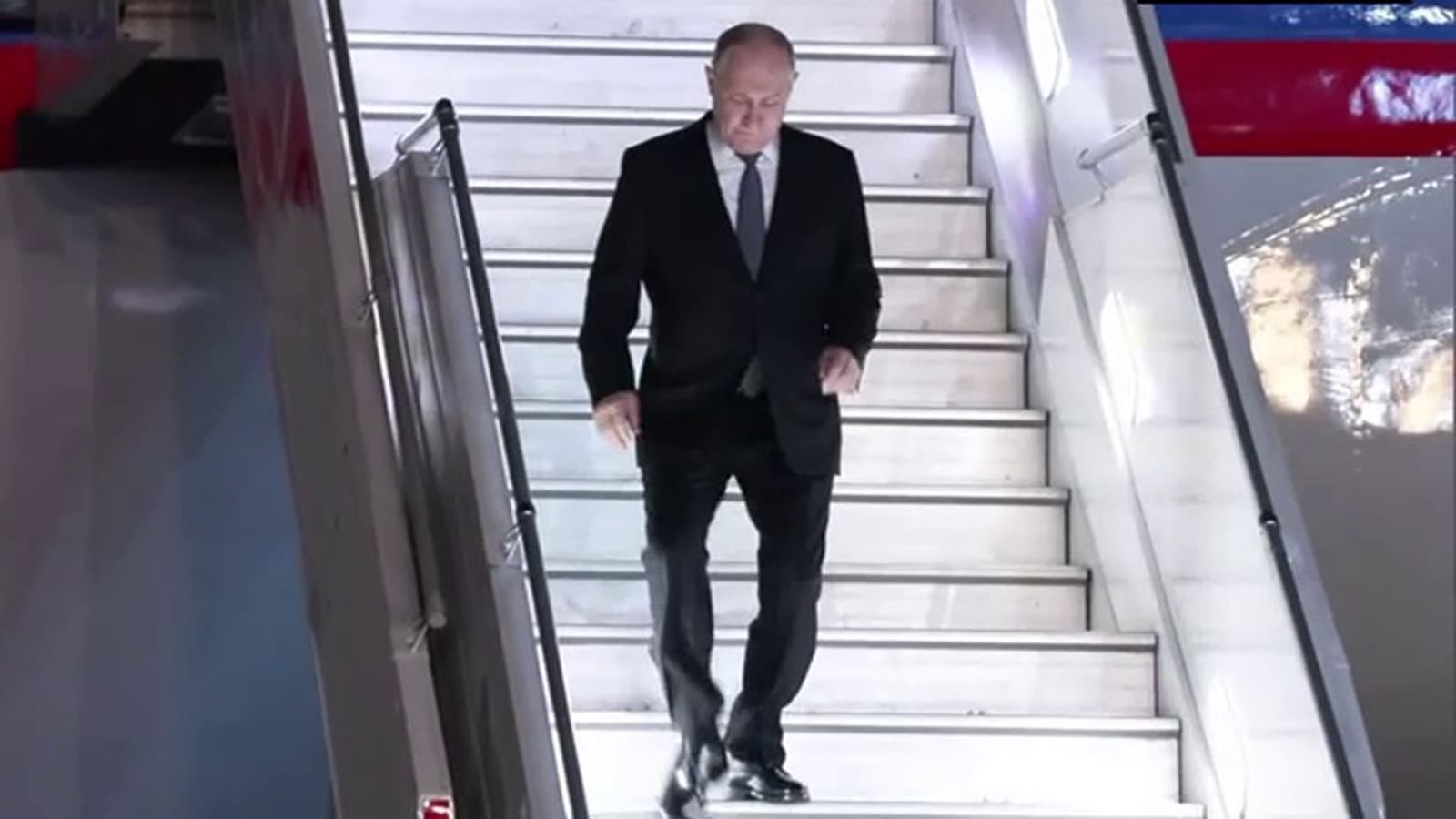
New Delhi is set to host the 18th BRICS Leaders’ Summit at Bharat Mandapam on September 12-13, 2026. The event focuses on multilateralism, global governance, and critical cooperation across energy, food security, and technology.
New Delhi Hosts the 18th BRICS Leaders’ Summit
On September 12 and 13, 2026, the global stage turns toward New Delhi as Prime Minister Narendra Modi hosts the 18th BRICS Leaders’ Summit at the Bharat Mandapam. This high-profile event marks a significant milestone, occurring exactly 20 years after the formalization of the grouping, which has evolved into a coalition representing 11 major emerging economies. The summit serves as a critical platform for these nations to address the shifting dynamics of the international order.
A Packed Agenda for Global Cooperation
The two-day program is meticulously structured to facilitate both high-level diplomacy and substantive policy discussions. Saturday’s opening activities include a formal welcome by Prime Minister Modi, followed by closed-door deliberations focused on the theme of 'Inclusive Global Governance and Strengthening Multilateralism.' Beyond these strategic talks, the schedule features an innovation exhibition, a ceremonial family photo, and a joint tree plantation, symbolizing the group's collective commitment to shared growth and environmental sustainability.
Strategic Focus: Resilience and Security
The core agenda for the 2026 summit emphasizes building resilience across several vital sectors. Member countries are prioritizing cooperation in food and energy security, health, and the stability of critical supply chains. By focusing on these areas, the BRICS nations are attempting to insulate their economies against global volatility and ensure more robust growth trajectories. These discussions on trade, investment, and technology underscore the group's intent to harmonize domestic development goals with regional and global stability.
The Role of Outreach and Multilateralism
A notable feature of this year's summit is the tiered participation structure. While Saturday is dedicated to BRICS member states, Sunday’s sessions will expand to include leaders from various partner countries and outreach invitees. This inclusive approach reflects the grouping's desire to broaden its influence and foster a more diverse dialogue on global governance. By engaging a wider set of stakeholders, the summit aims to address regional issues that require collaborative solutions beyond the core member base.
Diplomatic Implications and Future Trends
The high-level nature of the summit, including the anticipated interactions between world leaders, highlights the importance of personal diplomacy in managing complex geopolitical relationships. As the summit concludes, the outcomes regarding multilateralism and supply chain resilience will likely set the tone for economic policy among emerging markets for the coming year. The emphasis on 'Building Resilience' suggests a long-term trend where BRICS nations prioritize self-sufficiency and mutual support as a hedge against global economic uncertainty.
Conclusion
The 18th BRICS Summit at Bharat Mandapam represents a pivotal moment for the bloc. By balancing formal governance discussions with a focus on tangible issues like energy and food security, India is positioning the summit as a bridge between traditional diplomacy and modern economic necessity. As the world watches these proceedings, the focus remains on whether the collective actions of these 11 nations can successfully reformulate global governance to better reflect the realities of the 21st century.
Multiple Citing Sources