40% of global GDP is here: PM Modi on Brics Summit
Source Entity
KUMAR RAKESH
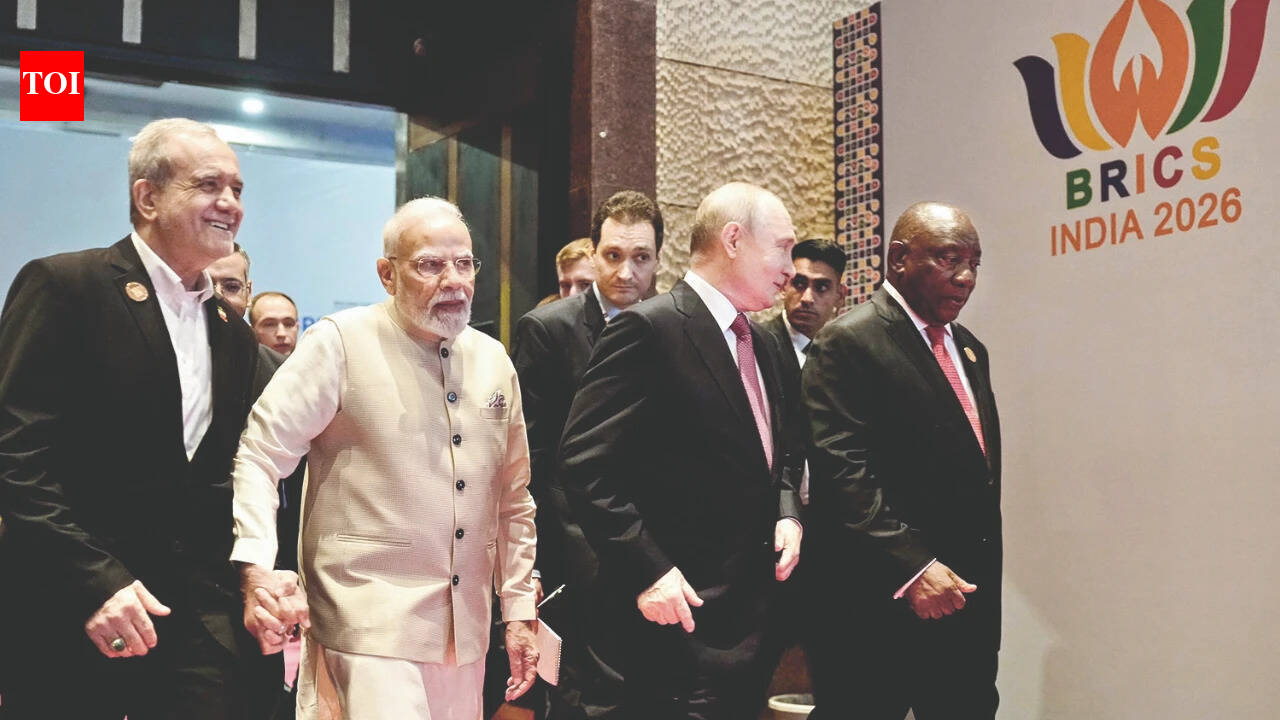
New Delhi is hosting the 18th BRICS Leaders’ Summit at Bharat Mandapam on September 12-13, 2026. The event focuses on global governance, trade, and resilience, featuring high-level diplomatic engagements hosted by PM Narendra Modi.
The 18th BRICS Leaders’ Summit: A New Delhi Milestone
On September 12 and 13, 2026, New Delhi will serve as the global stage for the 18th BRICS Leaders’ Summit, hosted at the iconic Bharat Mandapam. This high-profile gathering brings together leaders from 11 major emerging economies to address critical challenges in international cooperation and economic stability. Prime Minister Narendra Modi is set to preside over the event, overseeing a comprehensive agenda that highlights India's central role in fostering dialogue among the Global South.
Core Agenda and Strategic Objectives
The summit is structured to facilitate both formal diplomacy and informal relationship-building. The agenda focuses on building resilience across several vital sectors, including food and energy security, health, and disaster management. By emphasizing the strengthening of critical supply chains, the member nations aim to mitigate the risks of global economic volatility. Furthermore, the discussions are expected to center on the modernization of global governance, reflecting the bloc's collective desire to reform international institutions to better represent the interests of emerging markets.
The Diplomatic Schedule: A Two-Day Engagement
The proceedings commence on Saturday, September 12, with a formal welcome ceremony at Bharat Mandapam, followed by closed-door deliberations. A key highlight of the first day is the session titled 'Inclusive Global Governance and Strengthening Multilateralism,' where leaders will explore strategies to enhance the efficiency and reach of multilateral platforms. The day concludes with a gala dinner hosted by Prime Minister Modi, providing a platform for informal diplomatic exchanges and relationship building.
Symbolism and Outreach
Beyond the policy sessions, the summit incorporates symbolic gestures, including a joint tree plantation and an official family photo, designed to foster unity among the participating nations. The structure of the event is tiered; while the first day is dedicated to the core BRICS member states, the second day expands the dialogue to include partner countries and specific outreach invitees. This inclusive approach underscores the bloc's intent to broaden its influence beyond its formal membership.
Contextual Significance and Historical Context
This summit is particularly significant as it marks exactly 20 years since the formalization of the BRICS grouping. Over the past two decades, the coalition has evolved from an economic concept into a robust political and economic alliance. The current summit serves as a reflection of how far the bloc has come in terms of its collective bargaining power and its ability to influence regional and global discourse, particularly regarding trade, investment, and technological cooperation.
Future Implications and Conclusion
The 18th BRICS Summit represents a critical juncture for multilateralism in an increasingly fragmented world. By prioritizing themes like technological advancement and sustainable development, the summit acts as a roadmap for future cooperation. As the world watches New Delhi, the outcomes of these sessions—ranging from the high-level talks on global issues to the innovation exhibitions—will likely dictate the trajectory of the bloc’s influence for the remainder of the decade.
Multiple Citing Sources