India builds Brics without breaking up with US
Source Entity
CHIDANAND RAJGHATTA
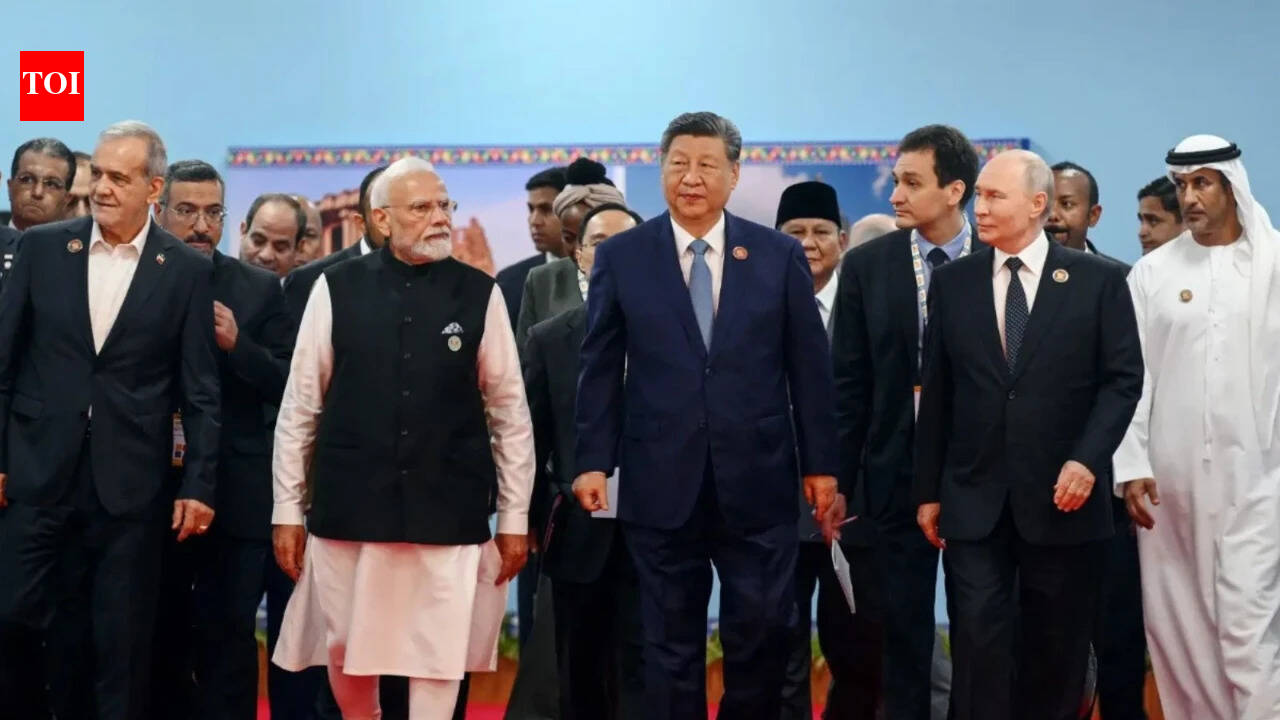
The BRICS Summit in New Delhi highlights India's cultural and culinary diplomacy through curated media kits and all-vegetarian menus. High-ranking officials further signaled solidarity and sustainability by traveling to the gala dinner via bus.
Cultural Diplomacy at the 18th BRICS Summit
As the 18th BRICS Summit convenes in New Delhi, the Indian government has leveraged the event not only as a platform for geopolitical discourse but as a showcase of the nation’s soft power. By integrating regional products into the media experience, India is effectively utilizing 'culinary diplomacy' to bridge the gap between global delegates and the diverse traditions of the Indian subcontinent.
The Media Kit: A Curated Experience of India
The media delegates attending the summit were greeted with a specially curated goodie bag that serves as a tactile introduction to India’s artisanal and agricultural heritage. The inclusion of sattu and makhana from Bihar, coffee sourced from the tribal hills of Odisha, and block-printed scarves from Gujarat represents a strategic effort to promote local produce and cottage industries on a global stage. This initiative, spearheaded by the Ministry of External Affairs, transforms the functional role of a media kit into a storytelling device that highlights India’s varied traditions.
Culinary Diversity as a Diplomatic Tool
Reflecting the theme of diversity, the summit’s catering strategy focuses on an all-vegetarian menu. By curating a selection that features regional Indian staples—such as Paneer Lababdar, Dal Panchmel, and Dum Aloo Banarasi—alongside international fare like Penne al pomodoro, the organizers are presenting a narrative of Indian inclusivity. This culinary approach ensures that the diverse nutritional requirements of a global delegation are met while simultaneously introducing international leaders to the depth of Indian gastronomy.
Symbolism in Transit: The Bus Journey
The logistics of the gala dinner at Bharat Mandapam provided a visual representation of unity and sustainability. Notable figures, including Union Ministers Amit Shah, Nirmala Sitharaman, and Chief Minister Yogi Adityanath, opted to travel to the venue by bus rather than in individual motorcades. This collective transit arrangement, shared with Lok Sabha Speaker Om Birla, serves as a symbolic gesture of efficient governance and camaraderie among the leadership.
Broader Implications and Future Trends
These orchestrated efforts reflect a growing trend in international summits where host nations increasingly use cultural elements to define their global identity. By moving away from traditional, austere diplomatic protocols and toward a more immersive, culturally rich experience, India is setting a precedent for how emerging powers can project influence. The emphasis on local artisanal goods and sustainable travel practices likely signals a shift toward more 'conscious' summit hosting, where the logistical footprint of such massive gatherings is carefully managed.
Conclusion
The 18th BRICS Summit demonstrates that modern diplomacy is as much about cultural exchange as it is about policy negotiation. Through the strategic use of local produce, regional culinary traditions, and communal transit, the organizers have created an environment that feels both welcoming and distinctly Indian. As these global leaders engage in high-level discussions, the backdrop of these thoughtful, culturally grounded initiatives remains a foundational element of the summit’s overall success.
Multiple Citing Sources