Texas family ends 8-year fight over 65,000-acre ranch worth at least $60m
Source Entity
TOI WORLD DESK
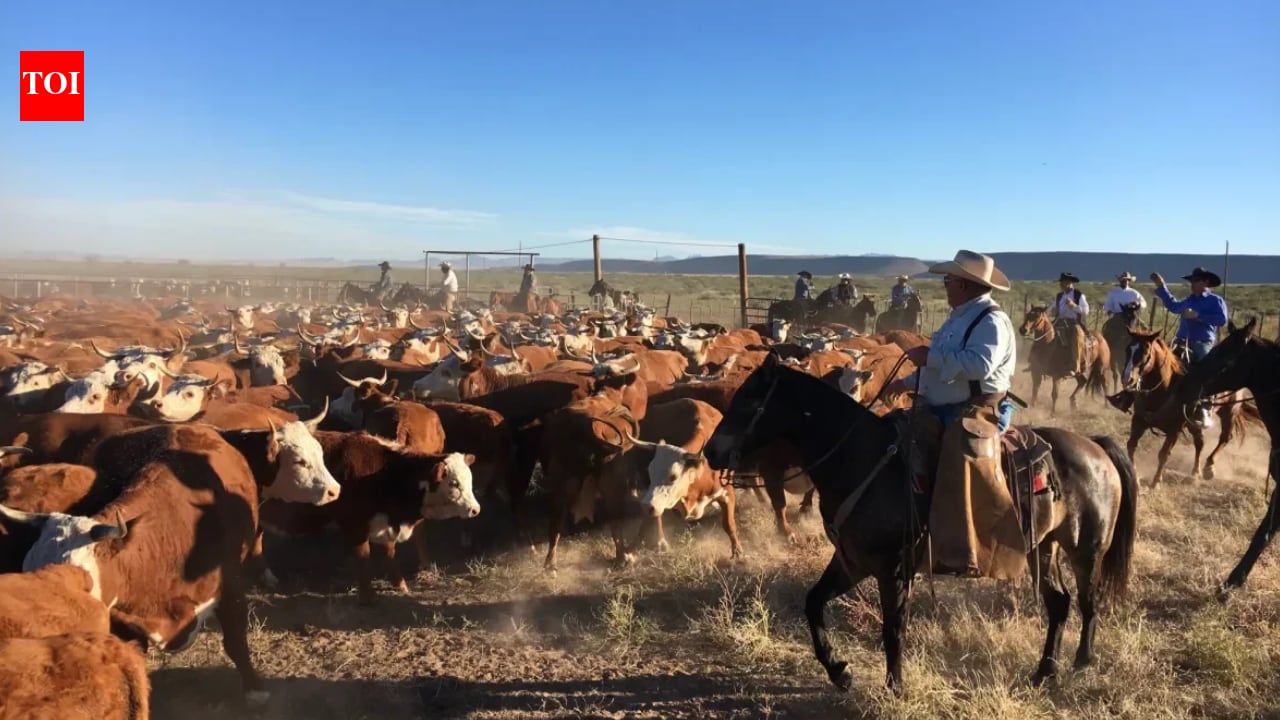
The heirs of the historic 65,000-acre Brite Ranch have reached an agreement to divide the estate, ending an eight-year legal battle. This resolution prevents a forced sale of the property, preserving a significant piece of West Texas heritage.
The Resolution of the Brite Ranch Dispute
After eight years of intense legal scrutiny and internal family turmoil, the heirs of the historic Brite Ranch have reached a pivotal settlement to divide the 65,000-acre estate. This agreement, which surfaced just days before a scheduled jury trial, marks the end of a contentious chapter that began in 2018. By opting to partition the land into four distinct portions rather than forcing a liquidation of the entire property, the family has successfully averted the total fragmentation and sale of one of West Texas's most storied landscapes.
Origins of the Legal Conflict
The dispute, which centered on complex issues regarding trust management and financial allocation, highlighted the difficulties inherent in managing multi-generational assets. As court records from the Texas Court of Appeals indicate, the disagreements among the heirs threatened to dismantle a legacy that spans more than a century. The legal battle served as a cautionary tale regarding the complexities of estate planning for large-scale landholdings, where emotional attachment to family history often clashes with the pragmatic realities of modern financial administration.
Historical Significance and Preservation
The Brite Ranch is not merely a piece of real estate; it is a vital component of the Texas State Historical Association’s records, representing the vast, rugged heritage of the Big Bend region. The significance of this land cannot be overstated, as it serves as a living museum of ranching culture that has defined the economic and social fabric of the American West. The decision to keep the land within the family lineage reflects a broader trend among legacy ranch owners who prioritize land stewardship and cultural preservation over immediate capital gains.
The Mechanics of the Settlement
The decision to divide the 65,000 acres into four portions is a strategic compromise designed to appease the four primary heirs while maintaining the integrity of the ranching operations. By avoiding a court-ordered sale, the family has maintained control over the future development and usage of the land. This shift from litigious confrontation to collaborative division suggests that the heirs recognize the intrinsic value of the property, which is estimated to be worth at least $60 million.
Broader Implications for Estate Management
This case serves as a significant case study for high-net-worth estate management in Texas. The resolution underscores the importance of clear governance structures in family trusts, especially when dealing with assets that possess both high monetary value and deep sentimental importance. Future trends in the management of massive, historic estates will likely favor such partitioning agreements, as they allow for individual autonomy while shielding the land from the market volatility associated with forced auctions.
A Future Secured
While the settlement brings an end to the most aggressive phases of the litigation, the family now faces the challenge of managing their separate portions independently. The resolution is a victory for those who advocate for the preservation of Texas’s wide-open spaces against the encroaching tide of commercial development. As the family moves forward, the legacy of the Brite Ranch remains intact, serving as a testament to the endurance of land-based wealth and the persistent, if sometimes arduous, process of multi-generational succession.