British Airways plans record 106-seat business class on Airbus A380 jumbo jets
Source Entity
US Top News and Analysis
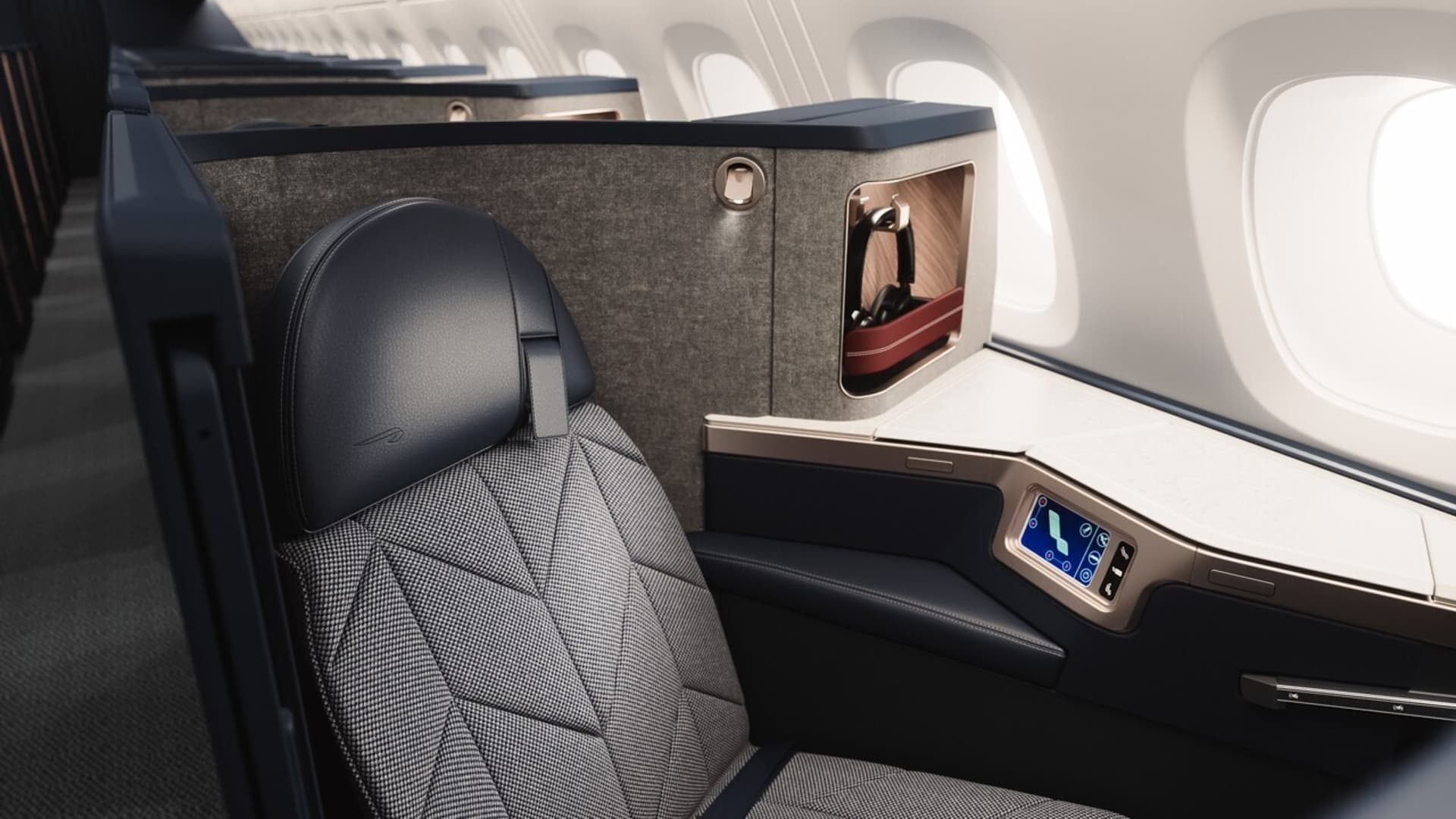
British Airways is reconfiguring its Airbus A380 fleet to feature a record-breaking 106-seat business class cabin. This strategic shift reflects a broader industry trend of prioritizing premium, high-spending travelers over traditional economy volume.
The Strategic Pivot: British Airways Bets Big on Luxury
British Airways has announced a significant transformation of its flagship Airbus A380 fleet, centered on the installation of a record-breaking 106-seat business class cabin. By aggressively reducing the capacity of coach-class seating to accommodate this massive expansion of premium offerings, the airline is making a calculated bet on the continued resilience of high-end travel demand. This move is not merely a cabin refresh but a fundamental shift in the airline's long-term commercial strategy.
Capitalizing on the Premium Travel Boom
The aviation industry has undergone a paradigm shift in the post-pandemic era, with airlines increasingly prioritizing high-yield passengers. British Airways’ decision to build what it claims is the “world's largest” business class cabin on its A380s represents the starkest example of this trend. By sacrificing economy-class density, the airline is positioning itself to capture a larger share of the lucrative corporate and luxury leisure travel markets, which have shown significantly higher price elasticity and demand for comfort.
Fleet Overhaul and Ground Integration
This initiative is part of a comprehensive, multi-million dollar overhaul that extends beyond the aircraft interior. British Airways is simultaneously upgrading its ground services, specifically focusing on its primary hub at London Heathrow. The synchronization of an enhanced onboard 'Club World' experience with upgraded lounge facilities suggests a holistic approach to customer retention, aiming to provide a premium end-to-end journey that justifies higher ticket prices.
Industry Trends and Competitive Landscape
The move aligns with broader industry patterns where carriers are moving away from the high-volume, low-margin model in favor of premium-heavy configurations. For instance, British Airways’ joint-venture partner, American Airlines, recently debuted a 70-seat business class configuration, signaling a coordinated effort among major global carriers to standardize a higher baseline of luxury. These investments are driven by years of market analysis showing that travelers are increasingly willing to pay a premium for roomier, more luxurious cabin environments.
Future Implications for Aviation
As airlines continue to invest hundreds of millions of dollars into seating technology and cabin comfort, the definition of "standard" travel is evolving. This shift toward premium-heavy fleets indicates that the future of international long-haul travel will be increasingly stratified. While this move secures a competitive advantage for British Airways in the luxury segment, it also underscores a broader shift in the airline business model, where the premium cabin serves as the primary engine for profitability in an era of rising operational costs.