Broadway’s long wait for firefighting infrastructure continues despite warnings
Source Entity
India Latest News: Top National Headlines Today & Breaking News | The Hindu
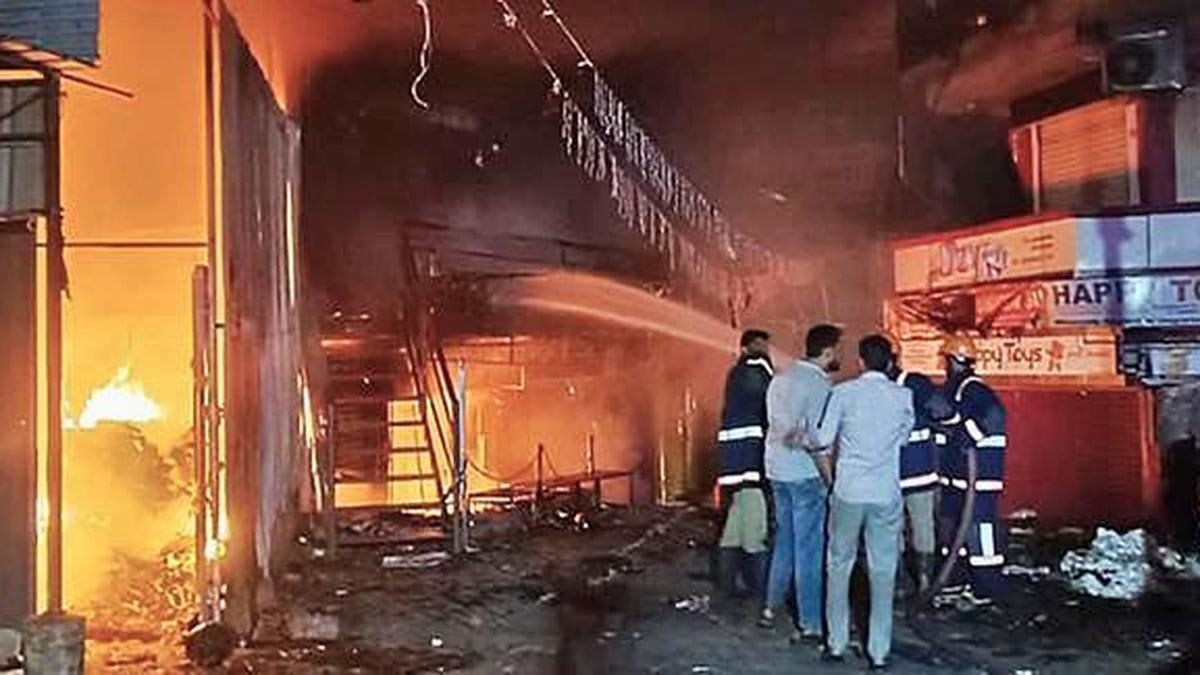
Broadway in Kochi remains highly vulnerable to fire disasters due to a lack of installed hydrants and persistent urban congestion. Despite official warnings and recent fire incidents, bureaucratic disputes between authorities have stalled critical safety infrastructure.
The Perilous State of Broadway’s Fire Safety
Broadway, a bustling commercial hub in Kochi, currently exists in a state of precarious vulnerability. Despite being a major center of economic activity, the area lacks essential firefighting infrastructure, leaving business owners, workers, and historical architecture at constant risk. The failure to implement safety measures is not for a lack of recognition of the danger, but rather a paralysis of administrative action that has left the area functioning like a literal powder keg.
A History of Unheeded Warnings
The urgency for intervention was underscored by the devastating fire that struck Koluthara Bazaar in December 2025. This incident served as a stark wake-up call, yet ground-level changes remain nonexistent. When major urban centers suffer catastrophic losses, there is usually an immediate push for modernization; however, in this instance, the momentum appears to have stalled shortly after the flames were extinguished, leaving the area just as exposed as it was prior to the disaster.
The Administrative Impasse
A critical point of failure in this scenario is the ongoing friction between the District Collector’s directives and the Kerala Water Authority (KWA). While the Collector has mandated the installation of fire hydrants to ensure rapid emergency response, the KWA has cited 'practical difficulties' in executing these orders. This bureaucratic friction has relegated life-saving infrastructure to the realm of theoretical planning, effectively stalling progress while the physical risk to the public grows by the day.
Urban Congestion as a Catalyst
The danger is compounded by the physical reality of Broadway’s streets. Unauthorised parking and unregulated street vending continue to choke the thoroughfares, creating a logistical nightmare for emergency responders. Even if fire hydrants were installed tomorrow, the inability of fire engines to navigate these congested corridors poses a secondary, equally lethal threat. The intersection of poor infrastructure and chaotic urban planning creates a compounding effect that significantly delays response times during fire emergencies.
Broader Implications and Future Risks
The vulnerability of Kochi’s heritage zones, recently highlighted by the blaze at the historic Koder House in Fort Kochi, suggests a systemic issue with fire safety across the city. If these high-density and historical zones are not prioritized for infrastructure upgrades, the potential for a catastrophic loss of property and life remains high. The Fire and Rescue Services department is now forced to look for alternative solutions, but without a unified approach from all municipal stakeholders, these alternatives may prove insufficient.
Conclusion: The Path Forward
To move beyond the current deadlock, the municipal authorities must prioritize the safety of Broadway over the convenience of unregulated commerce. Resolving the technical disagreements with the Kerala Water Authority is the first step, but it must be followed by strict enforcement of traffic and vending regulations to ensure emergency access. Until these measures are harmonized, Broadway remains a high-risk zone where the next fire could have consequences far exceeding those of the past.
Verification Required?