Burnham brands ban on football fans drinking alcohol in stands as 'discrimination'
Source Entity
BBC News
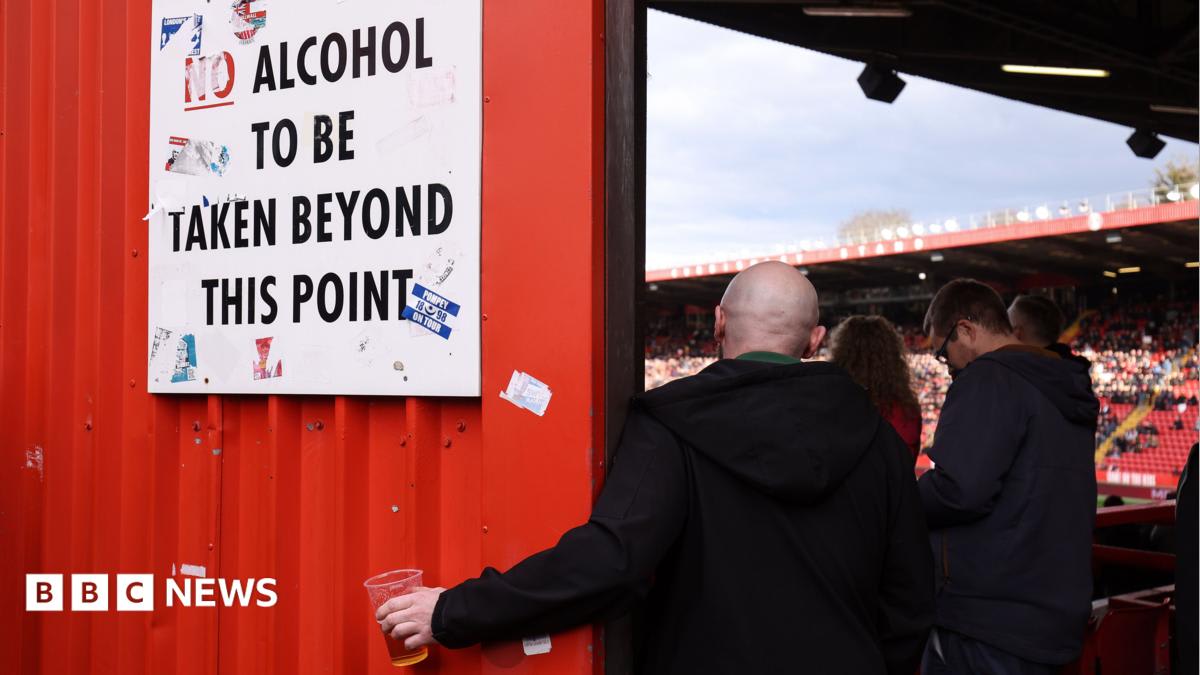
Prime Minister Andy Burnham has called for an end to the 1985 ban on drinking alcohol in football stadium stands, labeling the policy discriminatory. While supporters' groups back the change, police officials remain concerned and have requested a meeting to discuss potential public safety risks.
The Debate Over Stadium Alcohol Restrictions
Prime Minister Andy Burnham has reignited a long-standing debate within the English sporting landscape by publicly labeling the prohibition of alcohol consumption in view of the pitch as a form of "discrimination." Since 1985, legislation has strictly forbidden supporters in the top five tiers of English men's football from drinking alcohol within sight of the playing field. Burnham’s recent comments suggest a pivot toward modernizing these rules, arguing that football fans are being unfairly singled out compared to attendees of other sports, such as rugby or cricket, where similar restrictions do not apply.
Historical Context: The 1985 Legislation
The origins of this ban are deeply rooted in the mid-1980s, a period marked by significant civil unrest and violence surrounding English football. Introduced under Margaret Thatcher’s government, the legislation was part of a broader crackdown on football hooliganism that plagued the sport at the time. The law was designed to curb alcohol-fueled aggression and ensure the safety of players and spectators alike. However, critics, including the Prime Minister, now argue that the environment of modern football has evolved significantly over the past four decades, rendering the blanket ban an antiquated policy that no longer reflects the realities of the game.
The Argument for Reform and Equity
At the heart of the current discourse is the issue of fairness. Supporters of the proposed change echo Burnham’s sentiment that the policy is discriminatory because it creates a tiered system of regulation between different sports. Proponents argue that if fans in other stadiums are capable of consuming alcohol responsibly, the same standard should be applied to football supporters. The Football Supporters' Association (FSA) has been a vocal advocate for this review, characterizing the current legislation as "outdated" and noting that it fails to account for the improved safety, surveillance, and stewarding technologies present in modern stadiums.
Police Concerns and Public Safety
Despite the push for liberalization, the proposal faces substantial opposition from law enforcement agencies. Police chiefs have expressed significant reservations regarding the potential relaxation of these laws, citing concerns about public order and the management of large, passionate crowds. The police have requested a formal meeting with the Prime Minister to articulate the unique challenges associated with policing football matches—which are often subject to intense rivalries—and to highlight why the current restrictions remain a vital tool for maintaining order.
Future Implications and Policy Direction
The prospect of a trial program for lifting the ban suggests that the government is open to a data-driven approach rather than a wholesale immediate repeal. By proposing a trial, Burnham aims to balance the desire for a better fan experience with the imperative of public safety. If such a trial were to proceed, the outcomes would likely influence broader sports policy across the UK. The outcome of this debate will not only impact the match-day experience for millions of fans but also serve as a litmus test for how the government balances historical regulatory frameworks with contemporary demands for equality and modernization in sports entertainment.