Butcher arrested in Vijayawada canal murder case; a tattoo helped police identify the victim
Source Entity
India Latest News: Top National Headlines Today & Breaking News | The Hindu
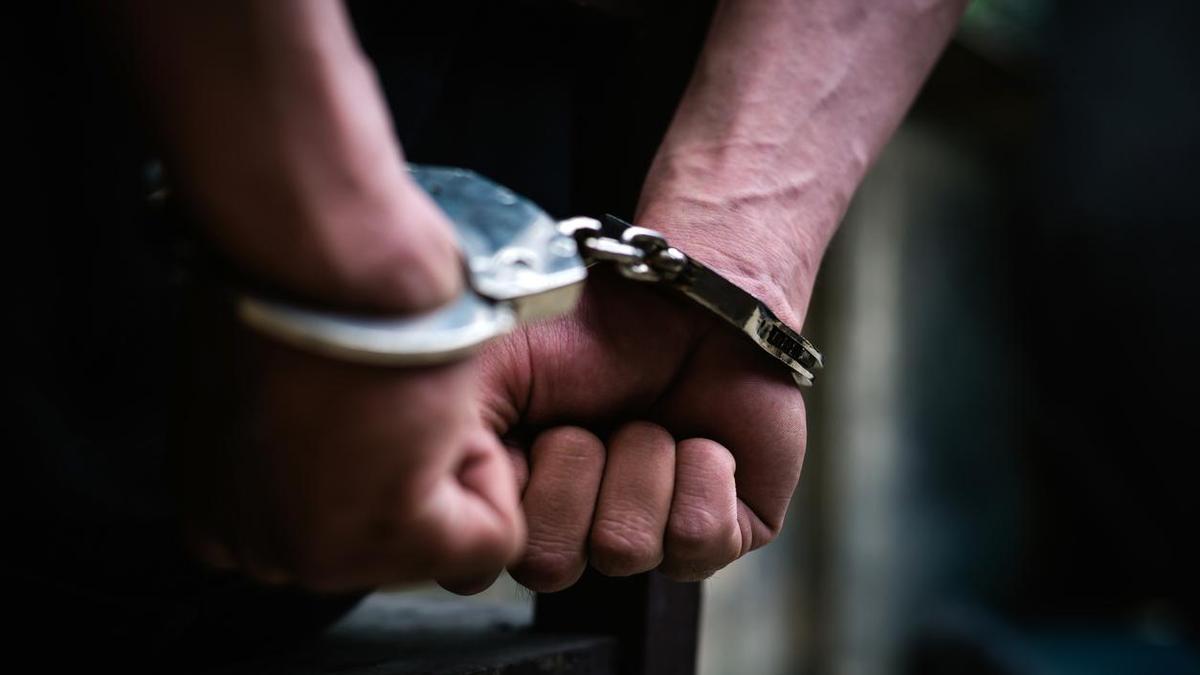
Police in Vijayawada have arrested a 45-year-old butcher, Shafi, for the murder of 29-year-old Kalyani following a financial dispute. A distinctive tattoo on the victim's hand proved critical in identifying her after her remains were discovered in the VTPS cooling canal.
Investigation into the Vijayawada Canal Murder
The Vijayawada NTR Police Commissionerate has made a significant breakthrough in a harrowing criminal case that gripped the region in September 2026. Following the discovery of a dismembered body in the VTPS cooling canal at Ibrahimpatnam on September 18, local authorities launched an intensive investigation that led to the arrest of 45-year-old butcher Shafi on September 29. The case highlights the meticulous nature of modern forensic identification and the rapid response of the West Zone police.
The Role of Forensic Identification
A pivotal moment in the investigation occurred when investigators utilized a distinctive tattoo on the victim's hand to confirm her identity. The victim, identified as 29-year-old Kalyani (alias Durga) from Mangalagiri, might have remained unidentified for a longer duration if not for this specific physical marker. This case underscores the importance of physical evidence in criminal proceedings, particularly in cases where the state of the remains makes traditional identification methods difficult or impossible.
Origins of the Conflict
Preliminary reports from the police indicate that the motive for this crime was rooted in a pre-existing financial dispute between the suspect and the victim. Shafi, who operated a butcher shop in the Bhavanipuram area, was reportedly known to the victim. The escalation of this dispute on September 17, when Shafi allegedly brought Kalyani to his residence, culminated in a fatal altercation. Such domestic or interpersonal disputes often go unnoticed by law enforcement until a violent threshold is crossed, raising questions about the need for better community-level conflict resolution.
The Complicity of Accomplices
Beyond the primary suspect, the police have also detained a helper employed at Shafi’s shop. The involvement of an accomplice in the disposal of the body suggests a coordinated effort to conceal the crime, which significantly complicates the investigative process for authorities. The detention of this helper indicates that the police are looking into the broader scope of the incident, including potential premeditation or efforts to obstruct justice in the immediate aftermath of the killing.
Broader Implications and Public Safety
The discovery of the body in the VTPS cooling canal serves as a grim reminder of the challenges police face in densely populated urban centers like Vijayawada. The incident has prompted discussions regarding public security and the oversight of commercial establishments in residential areas. As the legal proceedings move forward, the focus will remain on the admissibility of the evidence collected and the testimony of those involved in the disposal of the remains.
Conclusion and Future Trends
As the investigation continues, the Vijayawada police are expected to build a comprehensive case file to ensure a successful prosecution. This incident highlights the necessity for integrated law enforcement strategies that combine traditional investigative techniques—such as tracking interpersonal relationships—with modern forensic science. The resolution of this case provides some measure of closure to the victim's family, while serving as a stark warning about the lethal consequences of unresolved financial and personal grievances.
Verification Required?