Kerala HC directs transparency in selection of Sabarimala, Malikappuram Melsanthis
Source Entity
India Latest News: Top National Headlines Today & Breaking News | The Hindu
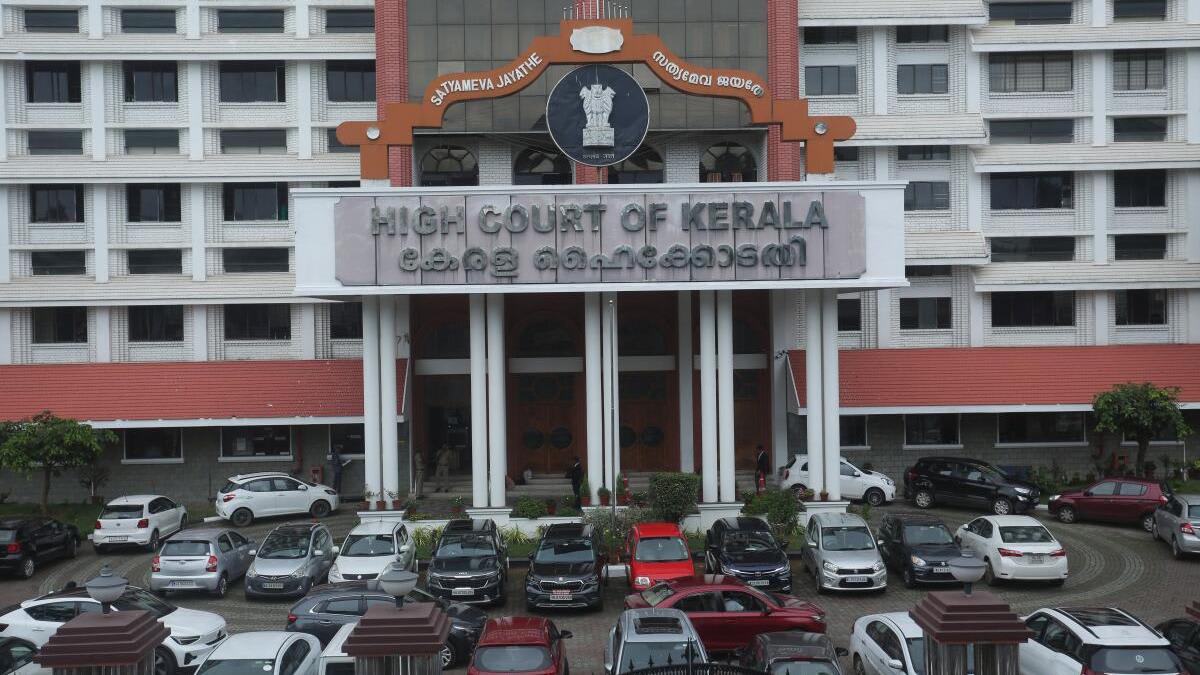
The Kerala High Court has ordered a transparent selection process for Sabarimala and Malikappuram head priests. A retired judge will oversee the interviews and the final lottery selection to ensure procedural integrity.
Kerala High Court Mandates Transparency in Sabarimala Priest Selection
Judicial Oversight for Sacred Appointments
In a significant move to ensure integrity in the administration of religious institutions, the Kerala High Court has intervened in the selection process for the Melsanthis (head priests) of the Sabarimala Sree Dharma Sastha and Malikappuram temples. The court’s directive stems from a report submitted by the Sabarimala Special Commissioner, R. Jayakrishnan, which highlighted the necessity for heightened transparency in these high-profile appointments.
Strengthening Procedural Accountability
To guarantee that the selection is conducted without bias, the Division Bench comprising Justices V. Raja Vijayaraghavan and K.V. Jayakumar has appointed retired High Court Judge Justice V.G. Arun to act as an official observer. His primary responsibility is to supervise the entire interview process, which is scheduled to take place on October 5 at the Travancore Devaswom Board headquarters in Thiruvananthapuram. This judicial oversight serves as a safeguard against potential administrative irregularities.
The Mechanics of Selection
Following the interview phase, Justice V.G. Arun is tasked with supervising the final selection mechanism: the drawing of lots. This traditional practice, which determines the final candidates for the prestigious Melsanthi positions, will occur at the Sabarimala Sannidhanam. By involving a neutral judicial observer in this specific ritual, the court aims to bolster public confidence in the spiritual and administrative governance of these temples.
Analyzing the Applicant Pool
According to the details provided to the court, the selection process is highly competitive, reflecting the immense religious significance of these roles. A total of 48 applications were submitted for the Sabarimala Sree Dharma Sastha temple, while 30 applications were recorded for the Malikappuram temple. The high volume of interest necessitates a robust, transparent, and strictly regulated evaluation process to ensure that the most qualified candidates are chosen for these sacred duties.
Broader Implications for Temple Governance
This judicial intervention underscores the evolving role of the judiciary in managing the administrative affairs of autonomous religious boards in India. By mandating transparency, the Kerala High Court is not merely overseeing a personnel selection but is actively affirming the rights of devotees to have an incorruptible and merit-based administrative structure governing their places of worship. This precedent may influence how the Travancore Devaswom Board handles similar appointments in the future, setting a new standard for openness in temple management.
Verification Required?