No beard, but ‘shaving marks’ link body to missing man: Court backs murder conviction
Source Entity
Vineet Upadhyay
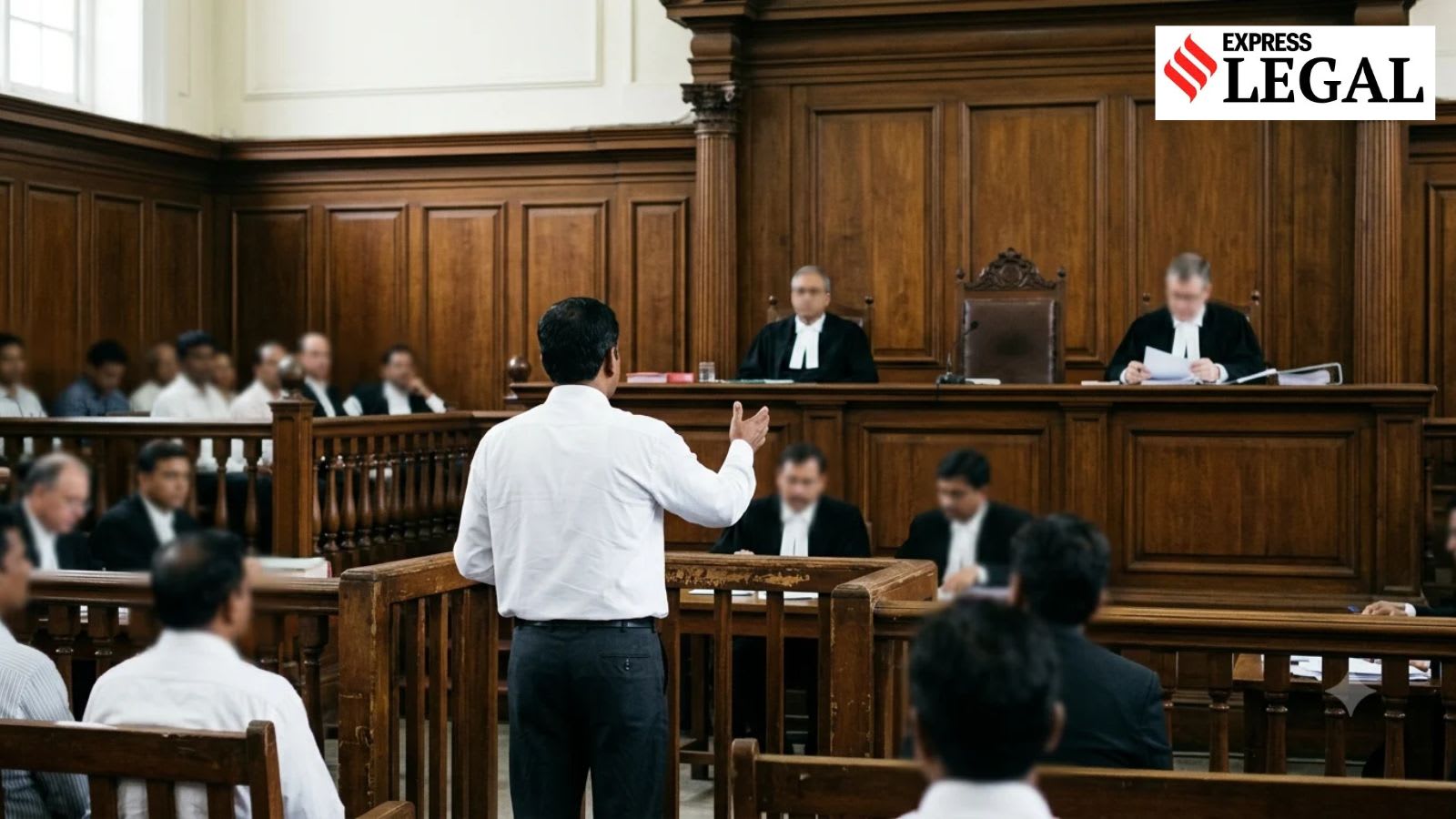
Two distinct court cases highlight the legal significance of facial hair, with the J&K High Court dismissing a BSF jawan's retirement dispute and the Delhi High Court upholding a murder conviction despite identity challenges regarding a victim's beard.
Legal Precedents and the Significance of Facial Hair in Indian Courts
The Indian judicial system has recently navigated two distinct cases where the presence or absence of a beard served as a pivotal point of contention. While seemingly disparate, these cases—one involving administrative military protocol and the other a criminal identification dispute—underscore how physical markers can become central to legal arguments and judicial scrutiny.
The BSF Personnel Dispute: Administrative Authority vs. Personal Choice
In the case involving BSF jawan Khursheed Ahmad Khan, the Jammu and Kashmir and Ladakh High Court dealt with a complex intersection of military discipline and individual rights. The core of the dispute arose on June 16, 2023, when permission for the jawan to maintain a neatly trimmed beard was revoked due to allegations of non-compliance regarding the length and maintenance of the facial hair. The subsequent resignation of the jawan, which he later contested as forced, highlights the strict enforcement of grooming standards within paramilitary forces. By dismissing the plea on the grounds of territorial jurisdiction, the court has signaled that such administrative grievances must be funneled through the appropriate legal channels, leaving the substantive debate regarding personal liberty versus organizational discipline yet to be resolved.
Criminal Identification and the 'Shaving Marks' Evidence
Contrastingly, the Delhi High Court’s ruling in a long-standing murder appeal demonstrates how courts weigh physical evidence against circumstantial discrepancies. In the conviction of Hasmat Ali for the murder of Mohd Hanif, the defense utilized the absence of a beard on a recovered body to cast doubt on the victim's identity. The court’s decision to uphold the conviction, based on the presence of 'shaving marks' and corroborating evidence, illustrates a pragmatic approach to forensic identification. The judiciary effectively ruled that a single physical discrepancy, such as a missing beard, does not supersede the weight of cumulative evidence in criminal proceedings.
Broader Implications for Legal Standards
These cases highlight two different facets of Indian law. In the military context, the judiciary remains cautious about interfering in internal disciplinary matters unless procedural violations are clear. Conversely, in criminal law, the court prioritizes the 'totality of circumstances' over isolated physical inconsistencies. Both rulings reinforce the necessity for rigorous documentation and procedural adherence, whether it pertains to the maintenance of service records or the verification of forensic evidence.
Historical Context and Future Trends
Historically, Indian courts have often been tasked with balancing secular military codes with the religious or personal practices of its personnel, a trend that is likely to continue as workplace policies evolve. Similarly, the use of forensic evidence in criminal cases continues to undergo modernization, moving toward more reliable identification methods that reduce reliance on superficial markers. As these legal frameworks mature, the courts are likely to continue relying on established precedents to ensure that administrative actions and criminal convictions remain robust against challenges based on physical appearance.