Himachal implements mandatory dress code for teachers in government CBSE schools
Source Entity
PRANJAL PANDEY
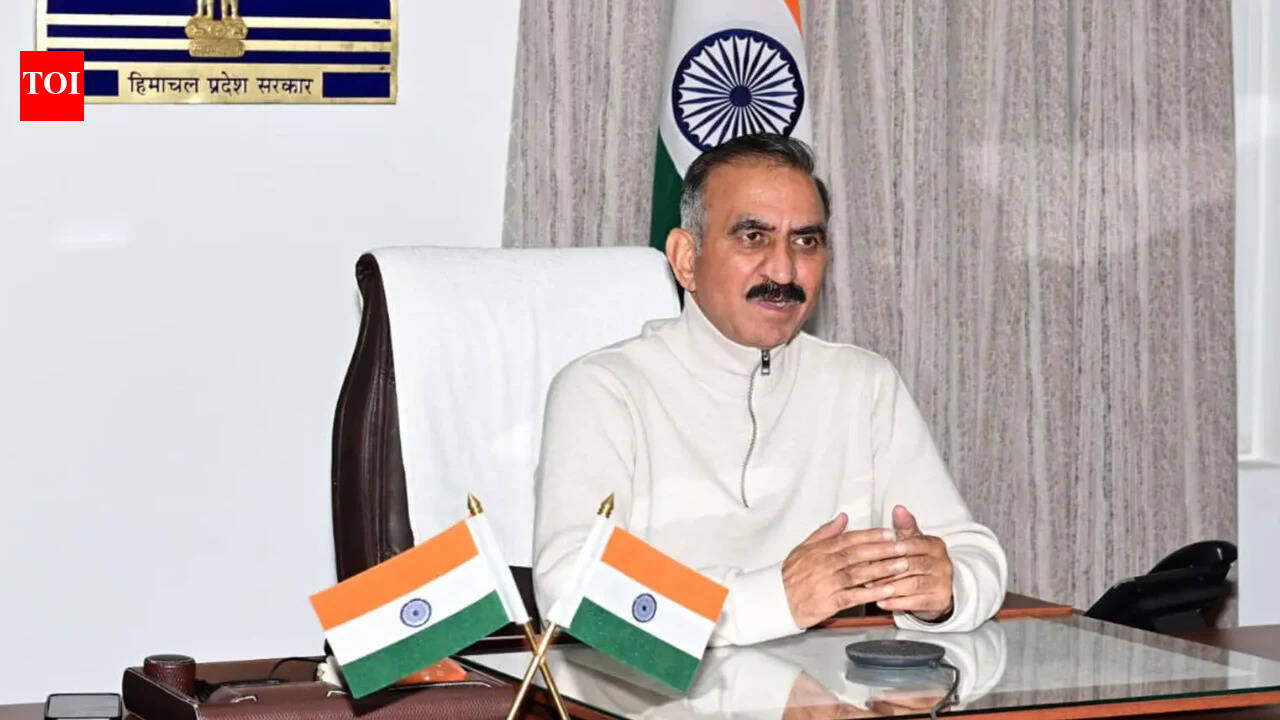
Himachal Pradesh has introduced a mandatory dress code for teachers across 148 government CBSE schools to improve professional standards. This initiative aligns with the state's broader educational expansion, which includes plans for 100 new schools and recent recruitment of 2,000 teachers.
Enhancing Professionalism in Himachal's Educational Landscape
In a significant administrative shift, the government of Himachal Pradesh has officially implemented a mandatory dress code for educators across 148 government-run CBSE schools. Formalized through a notice dated September 10, the mandate seeks to standardize the appearance of staff, fostering an environment of discipline and professionalism. By prioritizing uniformity, the state aims to elevate the perceived status of the teaching profession, ensuring that educators serve as role models within the academic ecosystem.
Strategic Alignment with Climatic and Professional Needs
The development of this dress code was not arbitrary; it was meticulously crafted to reflect the unique geographic and climatic conditions of the Himalayan region. Recognizing that Himachal Pradesh experiences distinct weather patterns, the policy provides specific attire options for female teachers, while setting a singular formal standard for male educators. This nuance suggests a policy designed to balance institutional uniformity with the practical necessities of the local environment, ensuring comfort does not come at the expense of professional decorum.
Scaling Educational Infrastructure
Beyond the implementation of a dress code, this policy is part of a larger, ambitious strategy to overhaul the quality of public education in the state. The government has confirmed plans to establish 100 new CBSE-affiliated schools, signaling a concerted effort to broaden access to national-standard curricula for students in rural and semi-urban areas. This infrastructure growth is supported by a robust human capital strategy, evidenced by the recent recruitment of approximately 2,000 new teaching staff members.
The Broader Implications of Standardized Policies
Standardizing teacher attire often serves as a precursor to broader educational reforms. By fostering a sense of institutional identity, the state government is attempting to bridge the gap between government and private schooling sectors. When teachers appear as a cohesive unit, it often correlates with improved organizational culture and systemic morale. This move is likely intended to boost public confidence in the state's educational output as it expands its footprint.
Future Trends in State Education
Looking forward, the success of this dress code will likely be measured by its reception among the faculty and its impact on the student body's perception of authority and learning. As Himachal Pradesh continues to scale its CBSE network, the integration of professional standards—from recruitment to daily conduct—will be vital. If this initiative successfully cultivates a more professional atmosphere, it could serve as a template for other Indian states seeking to modernize their public school systems while maintaining regional sensitivity.