Worli flyover, subway linking Nehru Science Centre and Planetarium likely by January 2027
Source Entity
The Indian Express
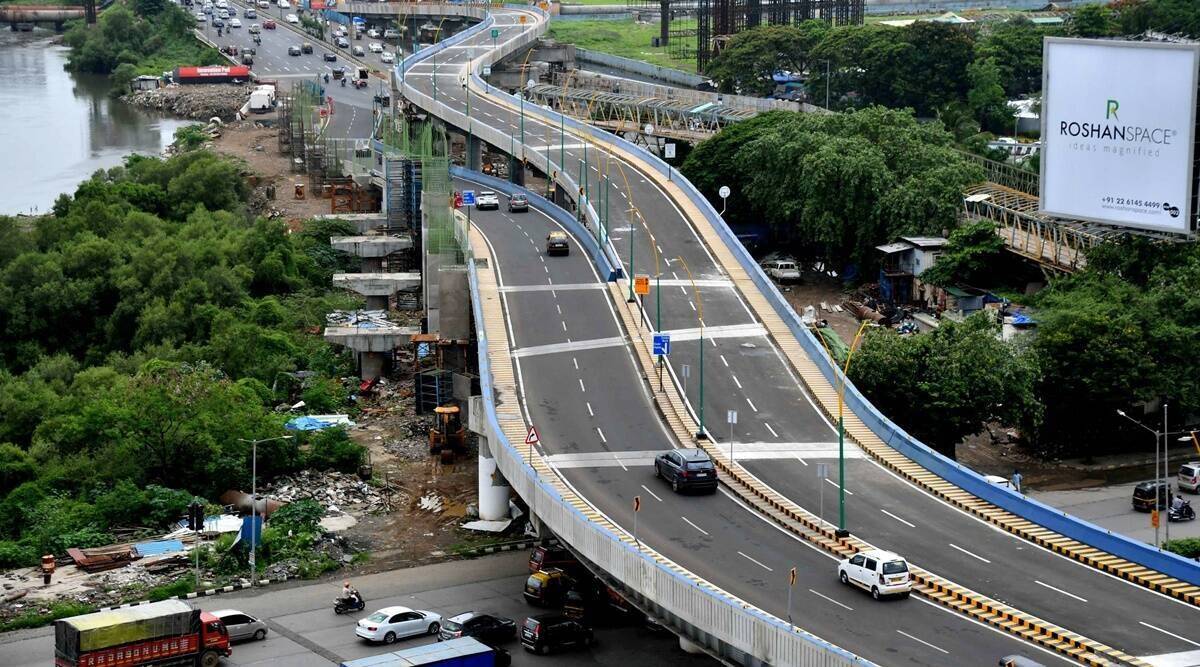
The BMC plans to complete a new flyover and subway in Worli by January 2027 to connect the Nehru Science Centre and Planetarium. This project aims to bypass the congested Worli Naka, potentially saving commuters up to 15 minutes of travel time.
Enhancing Connectivity in Worli: The New Infrastructure Project
The Brihanmumbai Municipal Corporation (BMC) has officially set a deadline of January 31, 2027, for the completion of a strategic infrastructure project in Worli, Mumbai. This initiative involves the construction of a flyover and a subway designed to create a direct link between the Nehru Science Centre and the Nehru Planetarium. By bridging the gap between E Moses Road and Annie Besant Road, the project seeks to rectify a longstanding connectivity issue that has burdened local traffic for years.
Addressing the Worli Naka Bottleneck
Currently, motorists traveling between these two iconic cultural institutions are forced to navigate the heavily congested Worli Naka, the intersection where E Moses Road and Annie Besant Road meet. This detour, spanning nearly two kilometers, often results in significant delays during peak hours. The BMC’s plan, which was originally conceptualized in 2022, is specifically intended to eliminate this requirement, streamlining the flow of traffic in one of Mumbai’s busiest commercial and residential hubs.
Engineering Over the Drain
An interesting aspect of this project’s construction is its location; the infrastructure is being built over the Nehru Science Centre drain. By utilizing this space, the BMC is maximizing land utility in a densely built-up area where expansion is otherwise difficult. This engineering approach demonstrates a commitment to urban development that works within the constraints of Mumbai's complex topography and existing drainage systems.
Impact on Commuter Efficiency
For daily commuters, the completion of this project is expected to yield substantial time savings. Estimates suggest that motorists could save up to 15 minutes per trip by bypassing the Worli Naka detour. In a city like Mumbai, where traffic congestion is a primary inhibitor of productivity and quality of life, such a reduction in transit time represents a significant improvement in urban mobility.
Broader Urban Implications
Beyond the immediate convenience for drivers, this project reflects the ongoing efforts of the BMC to modernize Mumbai’s infrastructure. As the city continues to grow, the ability to create localized bypasses and direct arterial links is essential for maintaining the functionality of the urban grid. The successful completion of this project by the 2027 deadline will serve as a case study for future infrastructure interventions in other congested parts of the city.
Conclusion
The January 2027 deadline marks a critical milestone for the residents and workers of Worli. By directly linking the Nehru Science Centre and the Planetarium, the BMC is not only addressing a specific traffic bottleneck but is also contributing to the broader goal of a more efficient and connected Mumbai. As the project progresses, it will remain a key development to watch for those invested in the city's urban planning and infrastructure evolution.