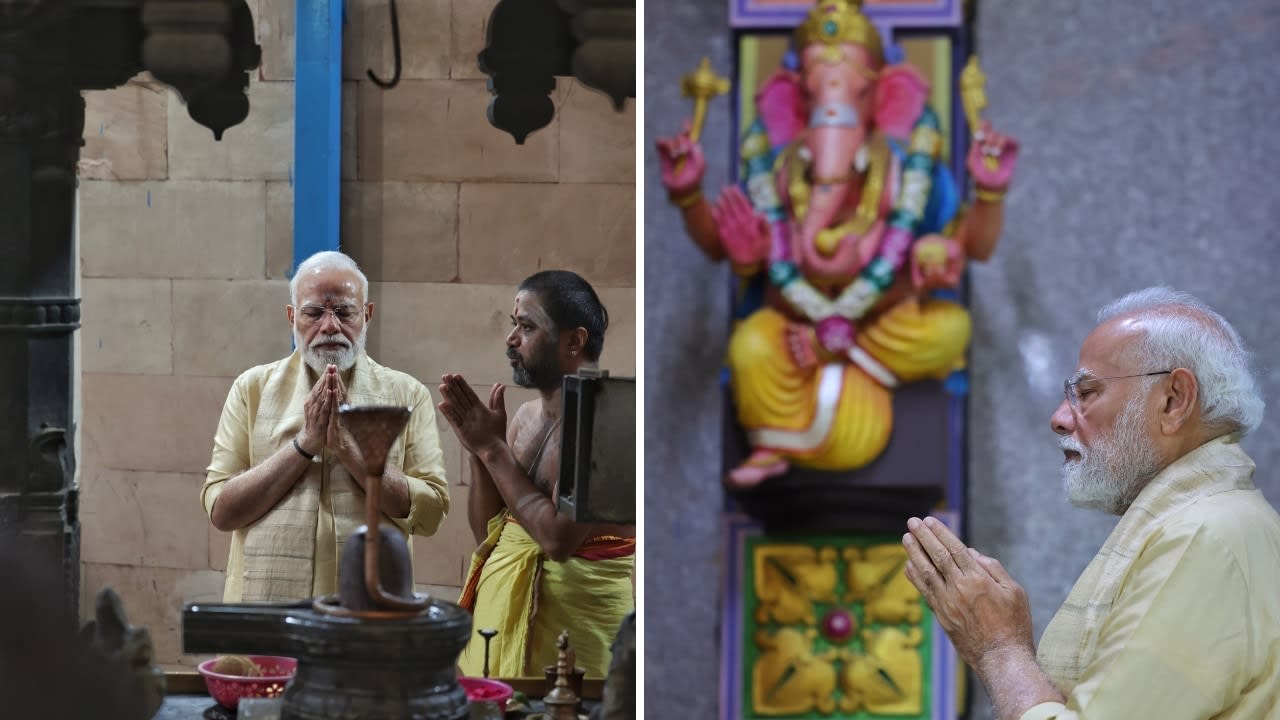
PM Modi Visits Shri Vinayak Mandir In Delhi To Mark 25 Years In Public Office
Source Entity
NDTV News Search Records Found 1000
The Indian Union Cabinet has approved the establishment of the Integrated Transport and Logistics Authority (ITLA) to unify planning across roads, rail, ports, and aviation. This apex body will oversee projects exceeding ₹500 crore, aiming to align national infrastructure development with long-term economic growth.
A Unified Vision for India’s Infrastructure
The Union Cabinet’s recent approval of the Integrated Transport and Logistics Authority (ITLA) marks a pivotal shift in India’s infrastructure governance. By creating a Special Purpose Vehicle to harmonize planning across roads, railways, ports, civil aviation, and urban mobility, the government is moving away from fragmented, sector-specific development toward a cohesive national strategy. This transition is essential for India’s ambition to become a global logistics hub, addressing the historic inefficiencies caused by siloed ministerial oversight.
Strategic Objectives of the ITLA
At the core of the ITLA’s mandate is the creation of a National Transport Master Plan with a horizon of ten years or more. This long-term outlook is designed to ensure that sectoral plans—ranging from five-year cycles to annual budgets—are strictly aligned with a unified vision. By mandating that new capacity must be developed in a multi-modal context, the ITLA aims to ensure that infrastructure is not just expanded, but integrated, preventing the costly redundancies that arise when different modes of transport operate in isolation.
Financial Oversight and Project Appraisal
The ITLA is set to function as a powerful regulatory and advisory body, specifically tasked with the technical appraisal of all government infrastructure projects valued at ₹500 crore or more. While financial appraisal remains under the purview of existing fiscal authorities, the ITLA’s technical oversight ensures that major investments contribute directly to the broader national network. This layer of scrutiny is expected to improve project efficacy and ensure that capital expenditure is directed toward initiatives that provide the highest utility to the national logistics chain.
Economic Implications and Logistics Growth
Union Railway Minister Ashwini Vaishnaw highlighted a critical economic reality: as India’s GDP grows, the demand for logistics services grows at an even faster rate, typically at a ratio of 1.5 to 1. With GDP growth targeted at 7%, the logistics sector must expand by approximately 10%. The ITLA is the government’s response to this pressure, providing the structural framework necessary to manage the complexity of rising freight volumes and passenger movement, thereby reducing the cost of logistics in India, which has historically been higher than in many developed economies.
Leadership and Long-Term Governance
This policy development occurs against the backdrop of Prime Minister Narendra Modi’s 25-year tenure in executive office, which spans his time as Chief Minister of Gujarat and his subsequent years as Prime Minister. The establishment of the ITLA reflects a broader administrative philosophy that emphasizes long-term institutional stability and vision-driven governance. By institutionalizing the planning process through a dedicated authority, the government is signaling a commitment to continuity that transcends short-term political cycles, ensuring that the infrastructure built today remains relevant for the next decade and beyond.
Conclusion: Future Trends in Infrastructure
The formation of the ITLA suggests a future where India’s infrastructure planning is data-driven and interconnected. By integrating data across all transport modes, the ITLA will be better positioned to predict bottlenecks and allocate resources efficiently. As this new authority begins its work, the focus will likely shift toward digital integration and intermodal connectivity, setting a new standard for how large-scale national infrastructure is conceived, approved, and executed in the years to come.
Multiple Citing Sources
Verification Required?